EN
EN

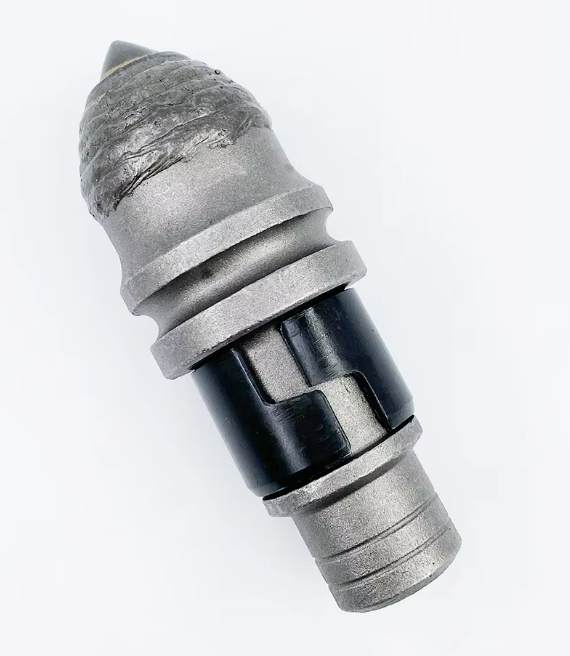
Material and Geological Factors Accelerating Drilling Bucket Wear
Geological conditions rank among the top causes of rapid drilling bucket wear. Abrasive formations and soil compositions directly impact equipment longevity—understanding them enables proactive mitigation.
Abrasive Rock Formations and Hard Inclusions
Granite and basalt rock formations really take a toll on equipment because these materials are super hard, often measuring around 6 to 7 on the Mohs scale. That kind of hardness beats what most standard cutting tools can handle. When working with such tough terrain, big rocks and other hard bits cause all sorts of problems. They create stress spots as machinery digs through them, which starts tiny cracks forming in bucket teeth and other parts of the machine. Over time, this constant pounding wears things down much quicker than when dealing with softer rocks like shale or limestone. Field tests have actually shown wear happening about twice as fast in these conditions. Tungsten carbide tips do help machines last longer against this abuse, but operators still need to keep a close eye out for chips or pieces coming loose after extended periods of heavy impact work.
High-Quartz or Gravel-Laden Soil Conditions
Soils rich in quartz work like nature's own abrasive material. Think of each tiny particle scraping against bucket surfaces just like fine sandpaper would. When there's gravel mixed in too, things get even worse because all that constant grinding really takes its toll. This happens especially bad in places like riverbeds and old glacial deposits where the rocks have sharp edges that wear down equipment much quicker. Together, these factors cause bucket teeth to wear away about a third faster compared to working with sticky clay soils. What we see happening on site is...
- Premature tooth blunting
- Progressive thinning of body walls
- Accelerated seal degradation due to grit ingress
Reinforced-edge bucket designs—featuring hardened lips, staggered tooth patterns, and sealed bearing housings—are essential for sustained performance in such environments.
Operational Errors Contributing to Drilling Bucket Rapid Wear
Operational missteps significantly accelerate drilling bucket wear, with two critical errors dominating field failures.
Excessive Penetration Force and Overloading
When too much downforce is applied, it puts serious strain on the bucket teeth and those structural welds, leading to problems like early cracking, plastic deformation, and eventually fatigue failure. Overloading these machines creates stress points that go beyond what the materials can handle. Industry studies show that buckets pushed beyond their limits need replacing about 70% faster compared to ones used according to the manufacturer's guidelines. To prevent this kind of damage, operators should monitor hydraulic pressure in real time and stick closely to the recommended penetration force levels. This becomes especially important during transitions between different soil types where forces can change dramatically without warning.
Improper Rotational Speed and Bucket Tilt Angle
When equipment spins too fast in gritty soils, it creates harmful friction heat that speeds up surface rusting and weakens the cutting edge over time. Getting the tilt angle wrong means certain parts of the blade take all the punishment instead of sharing the workload across the whole cutting surface. Take quartz rich ground for example, just being off by about 15 degrees from the right angle can make wear problems three times worse in those areas. Most operators find that matching rotation speed to soil density works best, around 12 to 18 rotations per minute when dealing with compact gravel. Keeping the bucket angled somewhere between 30 and 45 degrees while digging helps spread out the pressure across all teeth and cuts down on sideways stress that damages tools prematurely.
Equipment Design and Maintenance Deficiencies
Substandard Cutting Edge Hardness and Alloy Composition
Wear problems usually start because of poor metal selection decisions. Cutting tools made with Rockwell hardness under 55 on the HRC scale or those with less than 15% tungsten carbide just don't stand up well against abrasive materials. A study in the International Journal of Rock Mechanics and Mining Sciences showed something interesting though - cutting edges properly alloyed for over 60 HRC hardness last about 2.3 times longer when working through rocky, gravel filled ground compared to regular steel alternatives. What happens when these hardness standards get ignored? Tiny cracks form quickly during normal use and spread out fast, causing accelerated wear not only along bucket lips but also at adapter joints and where everything mounts together.
Inadequate Inspection, Reconditioning, and Bolt Tightness
According to data collected by the Deep Foundations Institute on excavation equipment reliability, about 38% of early drill bucket failures happen because maintenance checks get skipped altogether. When stress cracks form in those important weld areas and go unnoticed, they tend to worsen until something actually breaks down after around 150 hours of operation without proper servicing. The same goes for those mounting bolts that come loose over time what seems like a small problem at first glance but creates serious issues later on. These loose connections set off vibrations throughout the system which wears out nearby welds and eventually causes teeth to fall out completely. Field crews who check their bolt tightness every week report needing new buckets only a third as often compared to teams that wait until things break before doing anything about it. Some essential maintenance steps worth following are:
- Ultrasonic testing for subsurface flaws every 75 operating hours
- Post-shift torque verification of all fasteners using calibrated tools
- Replacement of wear pads before erosion exceeds 25% of original depth
Proven Prevention and Mitigation Measures for Extended Bucket Life
When it comes to reducing wear on drilling buckets, there are several smart approaches that make a big difference in how long they last. Switching out regular buckets for ones reinforced with tungsten carbide has shown real results in the field. These upgraded buckets have a base hardness above 400 HB and actually last about twice as long when working through those really abrasive soils compared to standard alloy versions. On the operational side, keeping an eye on load limits is crucial to avoid overworking the equipment. Adjusting rotational speeds between 15 and 25 RPM works best in areas with compact soil containing lots of quartz. This helps minimize the kind of wear caused by excessive friction. Maintenance crews should implement predictive programs that look at vibration patterns to catch developing cracks before they become major problems. Checking cutting edges and making sure all fasteners are secure monthly keeps operations running smoothly without surprises. Training operators properly on adjusting tilt angles within about 5 degrees in dense ground conditions also spreads wear more evenly across the bucket surface. All these combined practices can slash replacement expenses by around 30%, which makes a huge difference for companies operating in environments filled with gravel and quartz where most failures happen.
FAQ
Q: What geological conditions contribute to drilling bucket wear?
A: Abrasive formations like granite and basalt, as well as high-quartz or gravel-laden soils, are significant contributors to rapid wear on drilling buckets.
Q: How do operational errors affect drilling bucket longevity?
A: Excessive penetration force, overloading, improper rotational speed, and incorrect bucket tilt angles can significantly reduce the lifespan of drilling buckets.
Q: Why is maintenance crucial for drilling bucket longevity?
A: Proper maintenance, including regular inspections and bolt tightness checks, prevents early failures and extends bucket life.
Q: What measures can mitigate rapid wear of drilling buckets?
A: Using buckets reinforced with tungsten carbide, adjusting rotational speeds, maintaining load limits, and implementing predictive maintenance programs are effective mitigation strategies.