
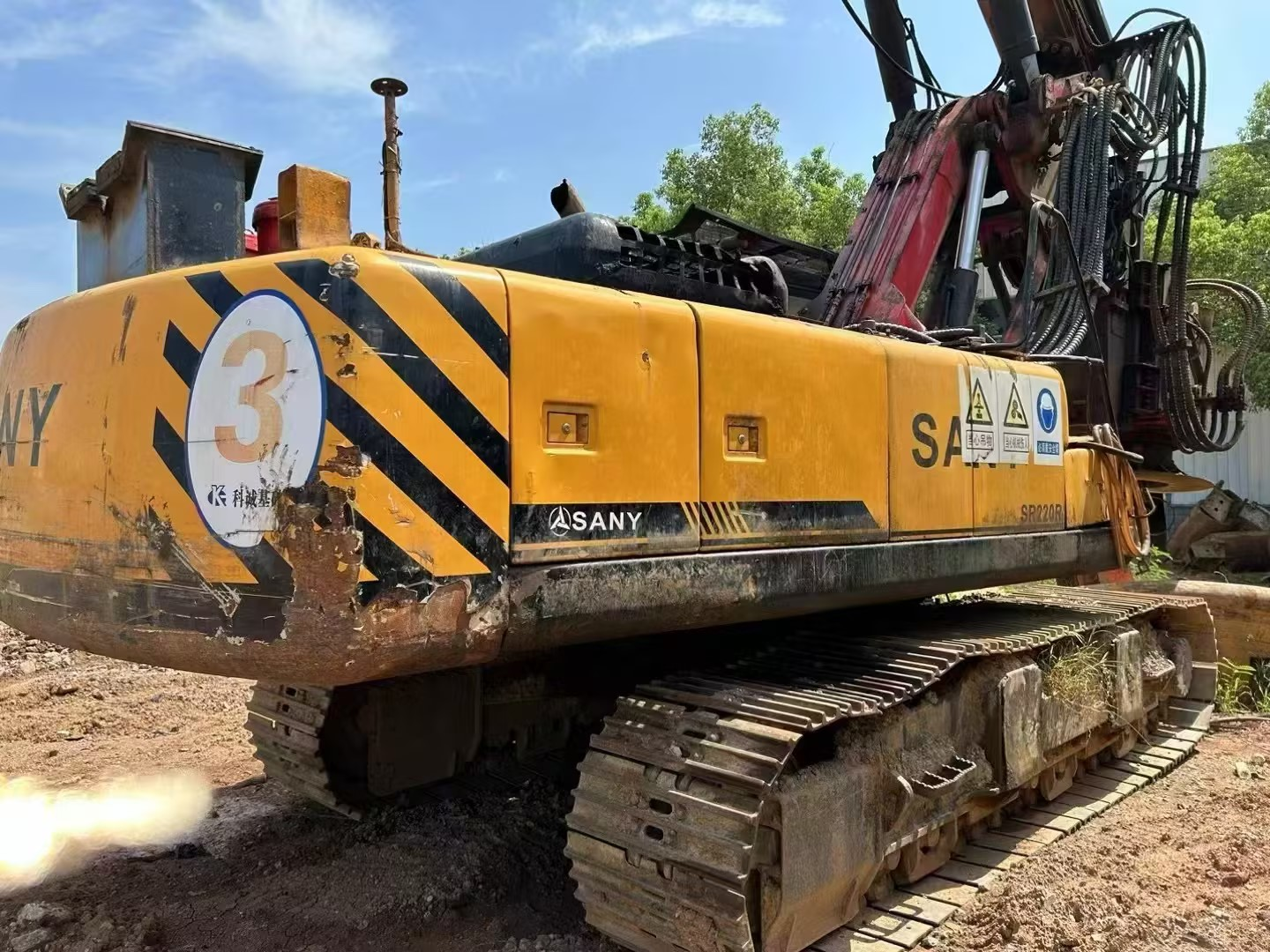
The $45,000 Week – When Downtime Ate the Profit A foundation contractor in the Midwest was drilling 80 belled shafts for a new warehouse complex. By the end of the first week, they had completed only 12 piles—far behind the projected 20...
VIEW MORE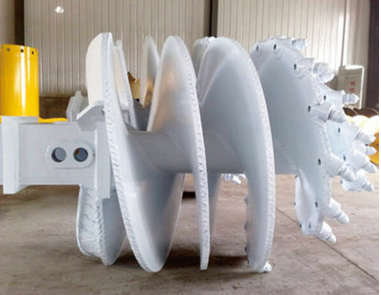
The 40% Efficiency Drop – A Soil Mismatch Case Study A foundation contractor in Texas was drilling 60 piles for a new bridge project. They had a standard continuous flight auger set up for clay—which worked well for the first 40 piles. ...
VIEW MORE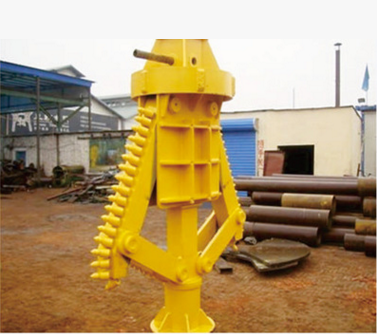
The Bridge Project That Saved Three Weeks – A Belling Bucket Case Study A major highway bridge project in the southeastern United States required 84 belled foundation shafts in stiff clay and weathered limestone. The original schedule allocat...
VIEW MORE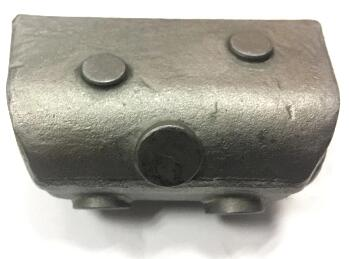
The Shutdown That Cost $45,000 – A Hard Rock Tooth Failure Story A surface mining operation in Western Australia was drilling through fractured granite with uniaxial compressive strength exceeding 150 MPa. Their standard weld-on teeth were la...
VIEW MORE
Why Coastal Saline Soils Accelerate Casing Pipe Corrosion Chloride-Driven Electrochemical Degradation in Saturated Saline-Alkali Soils Coastal saline soils are saturated with chlorides, which rapidly break down passive oxide layers on steel surface...
VIEW MORE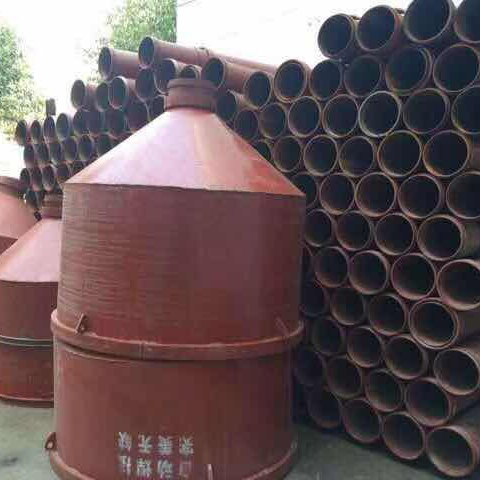
Drilling in saturated, unconsolidated sand presents unique challenges. Without precise casing pipe design, hydrostatic pressure and lateral earth forces can lead to rapid borehole collapse. This guide explores the engineering requirements for maint...
VIEW MORE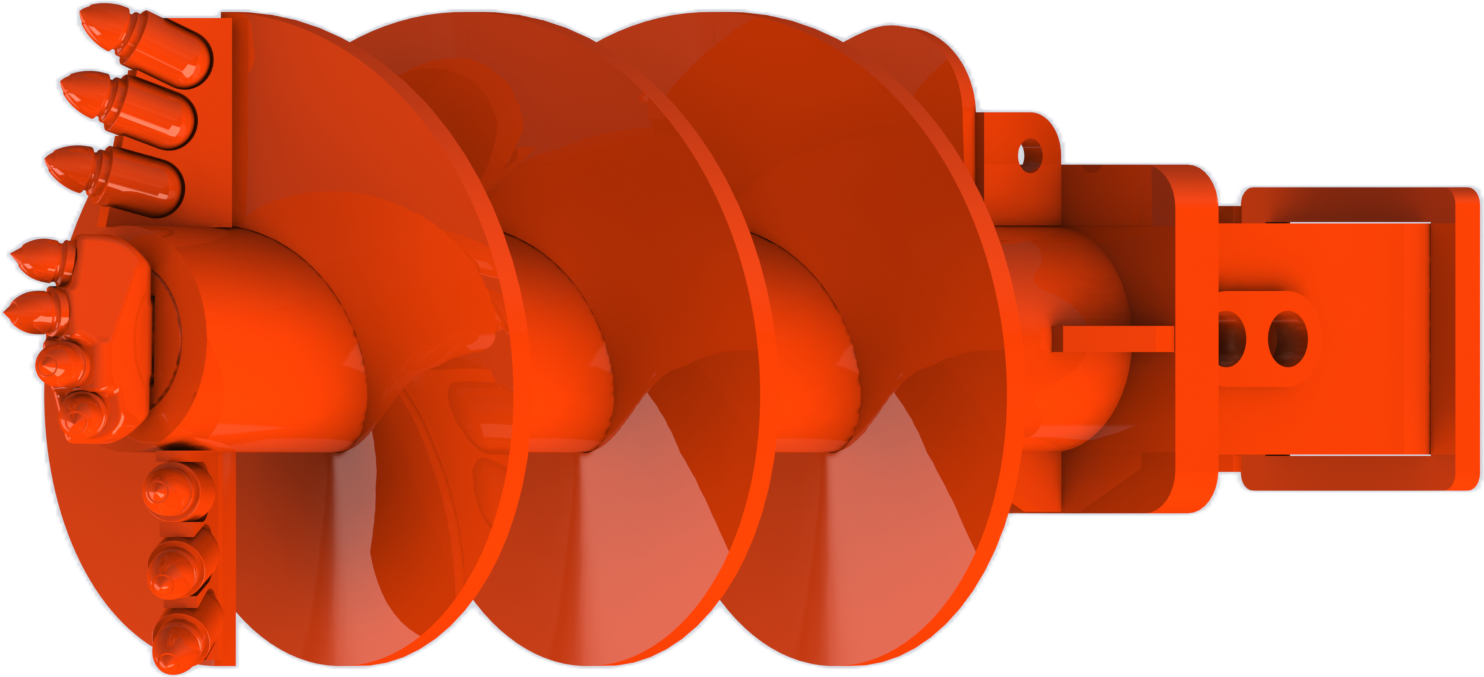
Here is the professionally optimized, SEO-ready English version of your article. I have formatted it to improve readability, search engine ranking potential, and user engagement. [SEO Metadata] Title Tag: Core Barrel Auger vs. Drilling Bucket: Ch...
VIEW MORE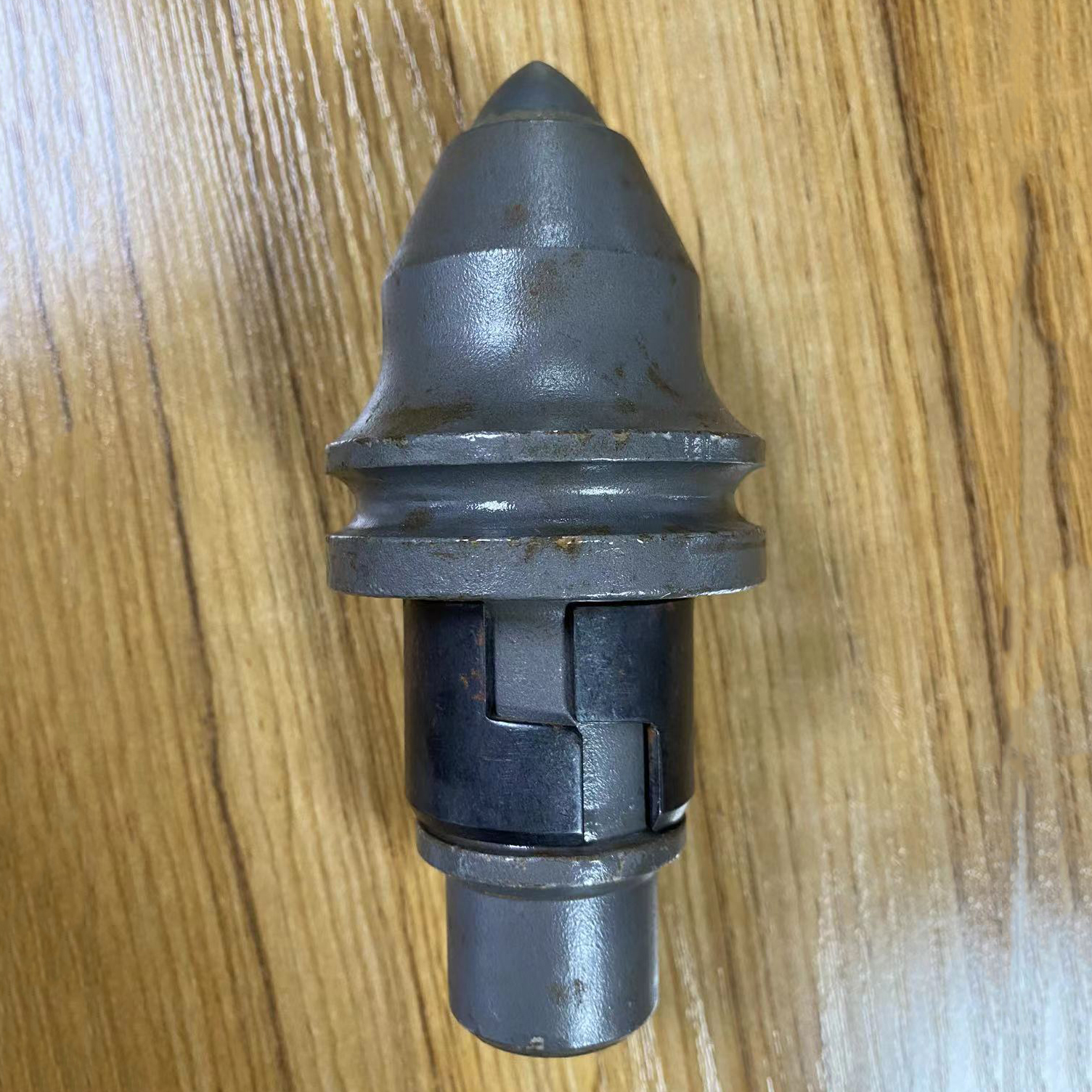
Drilling through gravel layers is one of the toughest tests for any foundation construction project. The combination of high-impact stones and abrasive soil matrices creates an environment that rapidly destroys low-quality tools. In this demanding ...
VIEW MORE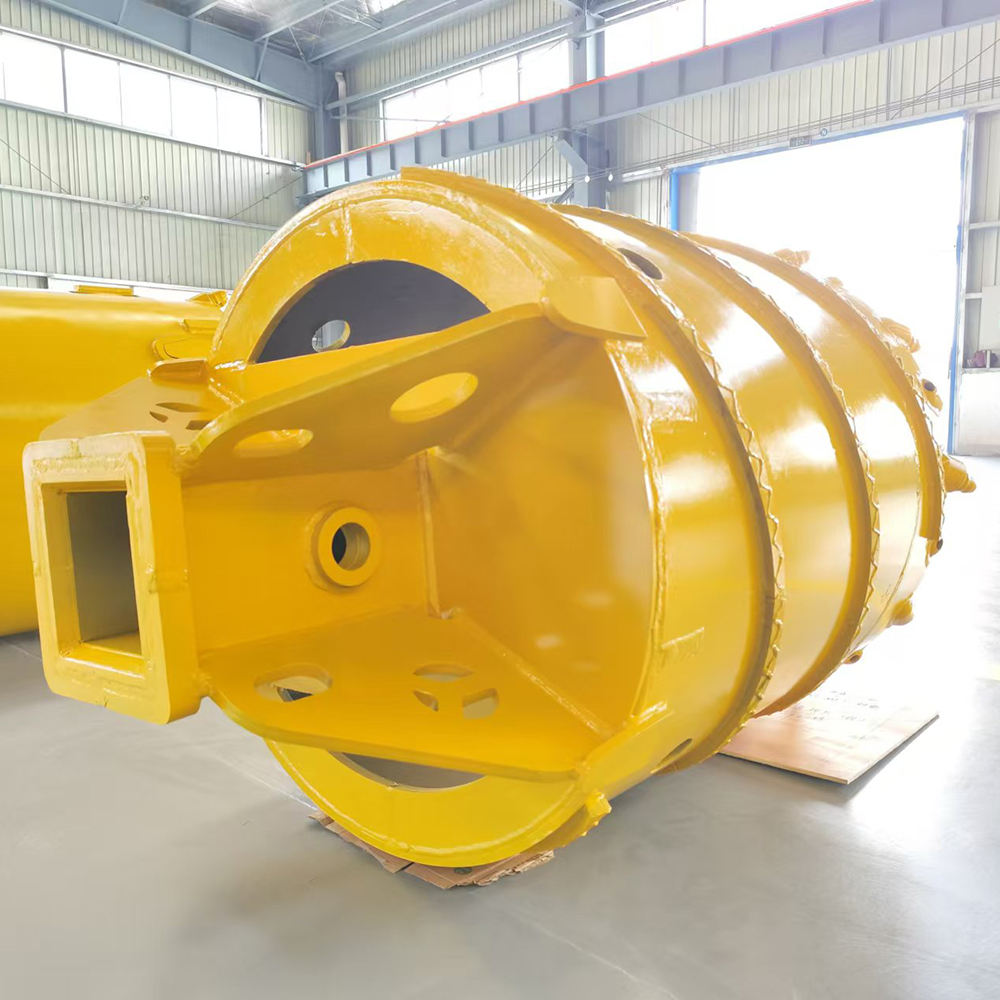
Drilling into hard rock foundations is one of the most demanding tasks in geotechnical engineering. Whether working on high-rise building foundations, bridge pylons, or large-scale infrastructure, the success of the project often rests on the perfo...
VIEW MORE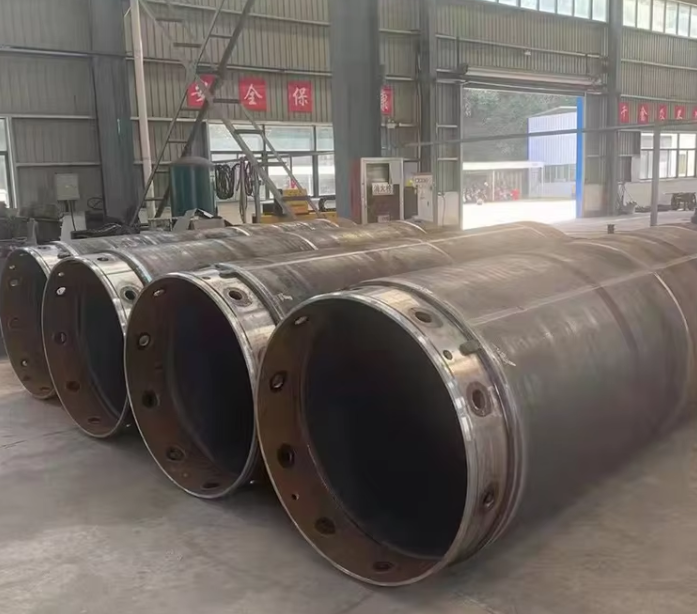
Anti-Corrosion Techniques to Extend Casing Pipe Life Selecting Electrochemical Protection and Coatings The optimal approach to provide longevity to casing pipes in a corrosive environment is to use a combination of electrochemical protection and ad...
VIEW MORE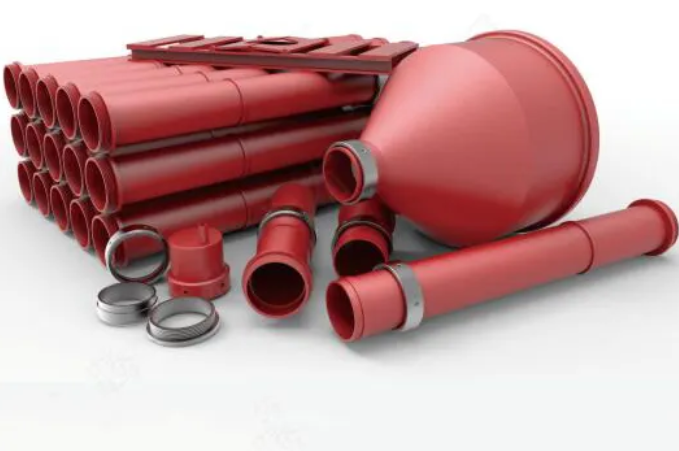
Structural Integrity: Eliminating Weld-Related Failure Risks with Seamless Casing Pipe Elimination of weld seam vulnerabilities under axial, lateral, and cyclic loading Seamless casing pipe consists of a solid steel billet with no welded joints. Un...
VIEW MORE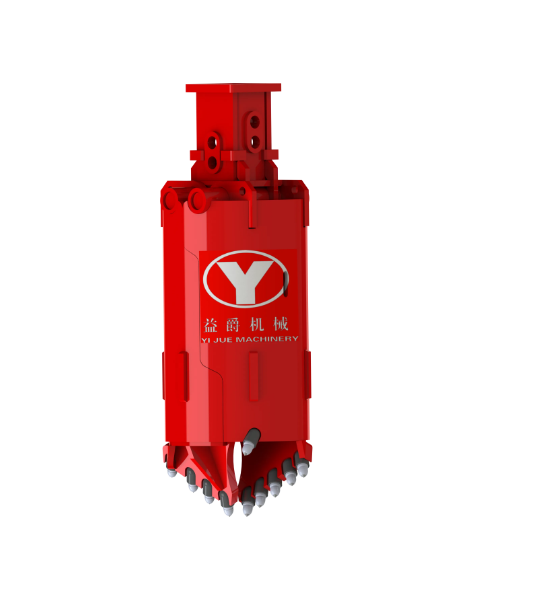
Soil Layer Properties and Bucket Selection for Drilling Soil layers each have their own mechanical properties, which impact the efficiency of the drill and wear the bucket. Clay, sand, gravel, and weathered rock each have different shear strengths ...
VIEW MORECopyright © Wuhan Yi Jue Tengda Machinery Co., LTD
 EN
EN