EN
EN

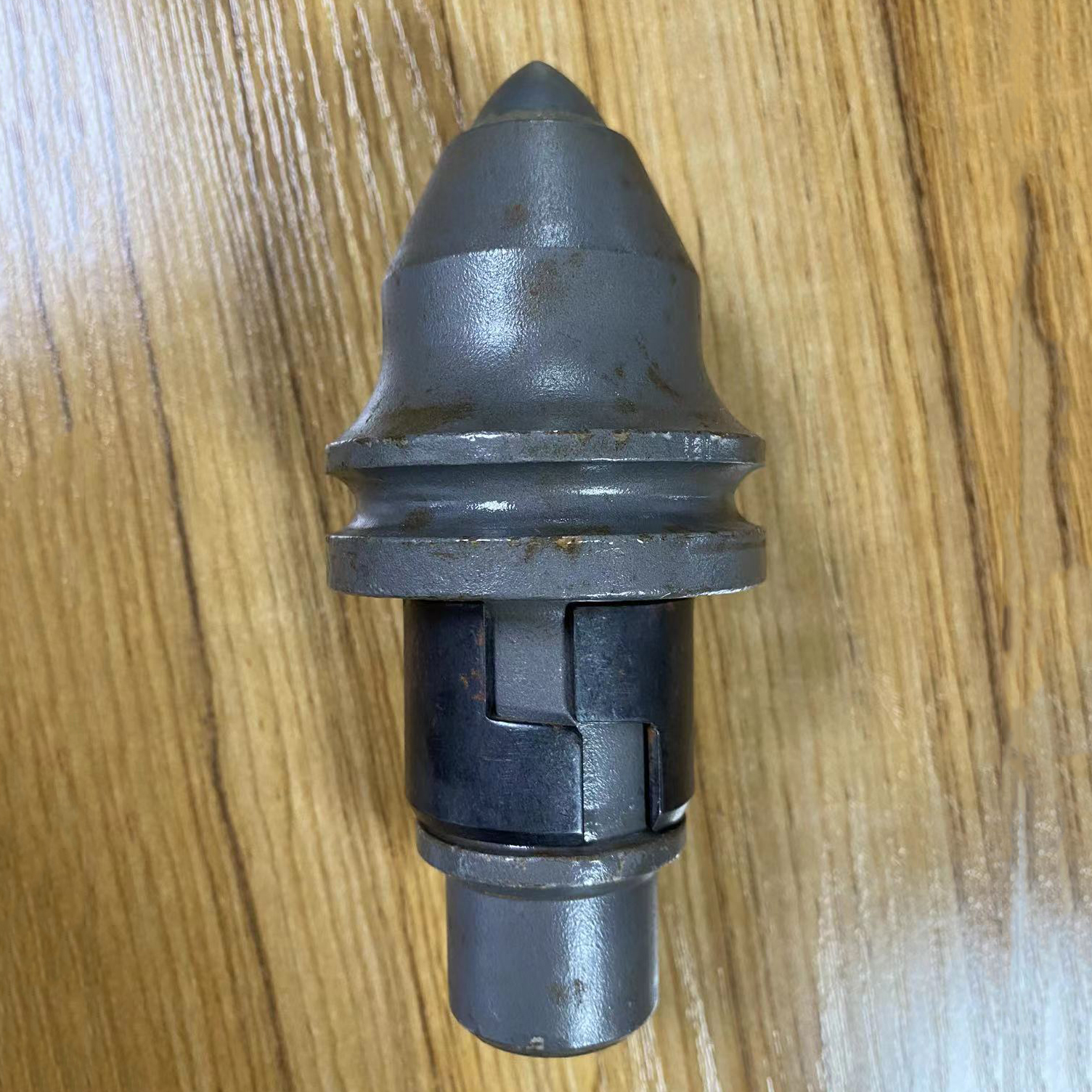
Drilling through gravel layers is one of the toughest tests for any foundation construction project. The combination of high-impact stones and abrasive soil matrices creates an environment that rapidly destroys low-quality tools. In this demanding scenario, the choice of bullet teeth is not just about procurement; it is about operational survival. Engineering teams often find that their drilling efficiency stalls not due to equipment failure, but because their tooth wear rates are simply too high. To combat this, understanding the material science behind long-lasting teeth is a critical step for every construction manager.
The Geological Challenge of Gravel Layers
Gravel layers are notoriously unforgiving. Unlike cohesive clay, gravel consists of hard, erratic particles that exert extreme shear force and abrasive action on the tooth tip. When a bullet tooth hits a stone, it experiences a high-magnitude stress wave, while the surrounding sandy soil grinds away at the steel body. If the tooth material lacks the necessary toughness, the tungsten carbide tip will either shatter upon impact or the steel body will wear away prematurely, causing the tip to pop out. Achieving a balance between extreme hardness and fracture toughness is the key to preventing premature failure in these subsurface conditions.
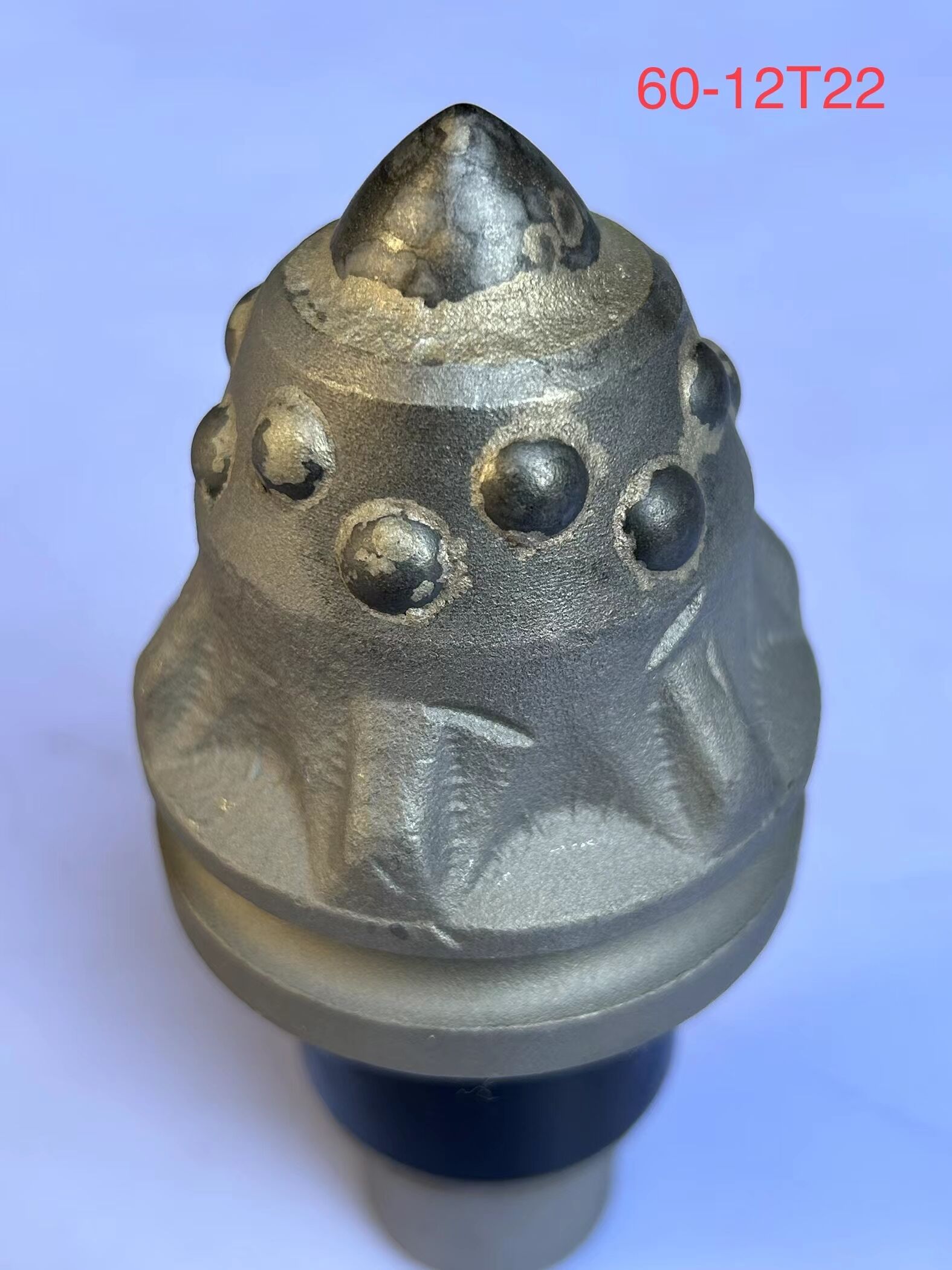
Advanced Material Science in Bullet Teeth
The secret to extending service life lies in the metallurgy of the tip and the shank. High-performance teeth typically feature a premium grade of tungsten carbide (WC) combined with a cobalt binder. For gravel drilling, a grade with higher cobalt content is often preferred to enhance impact resistance. Furthermore, the steel body holding the carbide tip must be forged from high-tensile alloy steel. This ensures that the body can withstand the rotational force and bending moments without deforming or failing. When the body and the tip are expertly joined through advanced induction brazing, the tool can endure the cyclical heating and cooling that occurs during aggressive drilling cycles.
| Material Component | Technical Requirement | Benefit for Gravel Drilling |
| Tungsten Carbide Tip | High impact-grade WC | Resists chipping and shattering |
| Alloy Steel Shank | High-tensile forged steel | Prevents bending and body wear |
| Brazing Layer | Specialized thermal alloy | Ensures the tip stays in the body |
Operational Performance Comparison
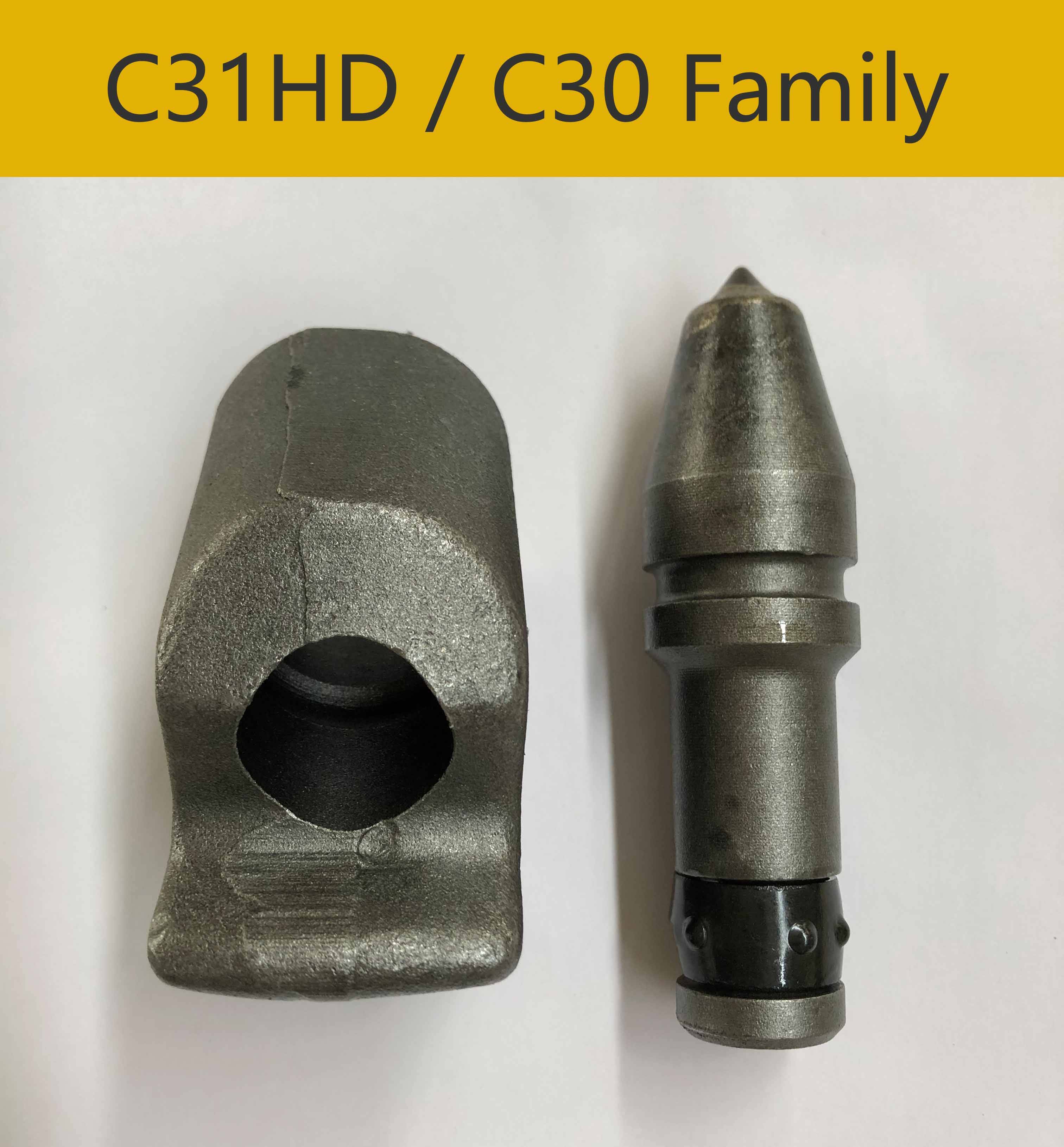
Choosing the right material is a balancing act. While ultra-hard grades provide the best abrasion resistance, they may become too brittle for high-density, large-cobble gravel. The following table provides a quick guide to matching material characteristics with geological conditions.
| Geological Condition | Recommended Tooth Material | Expected Performance Benefit |
| Soft Gravel/Sand Mix | Standard Wear-Resistant Grade | Cost-effective and durable |
| High-Density Hard Gravel | Impact-Tough Tungsten Carbide | Significant reduction in tooth loss |
| Mixed Cobble/Boulders | Specialized Reinforced Tip Design | Maximum service life in extreme stress |
Manufacturing Excellence and Quality Assurance
Reliability in the field is a direct reflection of manufacturing rigor. Yijue employs a comprehensive manufacturing system that emphasizes metallurgical precision and heat-treatment consistency. Every batch of bullet teeth undergoes rigorous testing for carbide-to-body bond strength and hardness uniformity. By controlling the supply chain from raw material procurement to final surface hardening, Yijue provides equipment that holds up when other brands fail. This dedication to quality ensures that field crews spend less time swapping out damaged teeth and more time completing project milestones.
Securing the Future of Foundation Drilling
Investing in high-grade bullet teeth is a strategic decision that pays dividends in both project speed and long-term site efficiency. When equipment consistently stays in the ground rather than in the repair shop, the overall cost-per-meter drops significantly. By partnering with a manufacturer like Yijue, construction teams gain a partner dedicated to metallurgical innovation and long-term hardware reliability. Ultimately, choosing equipment designed to thrive in abrasive gravel conditions is the most effective way to protect a project's bottom line and ensure that foundation work proceeds safely and efficiently from the first hole to the last.