EN
EN

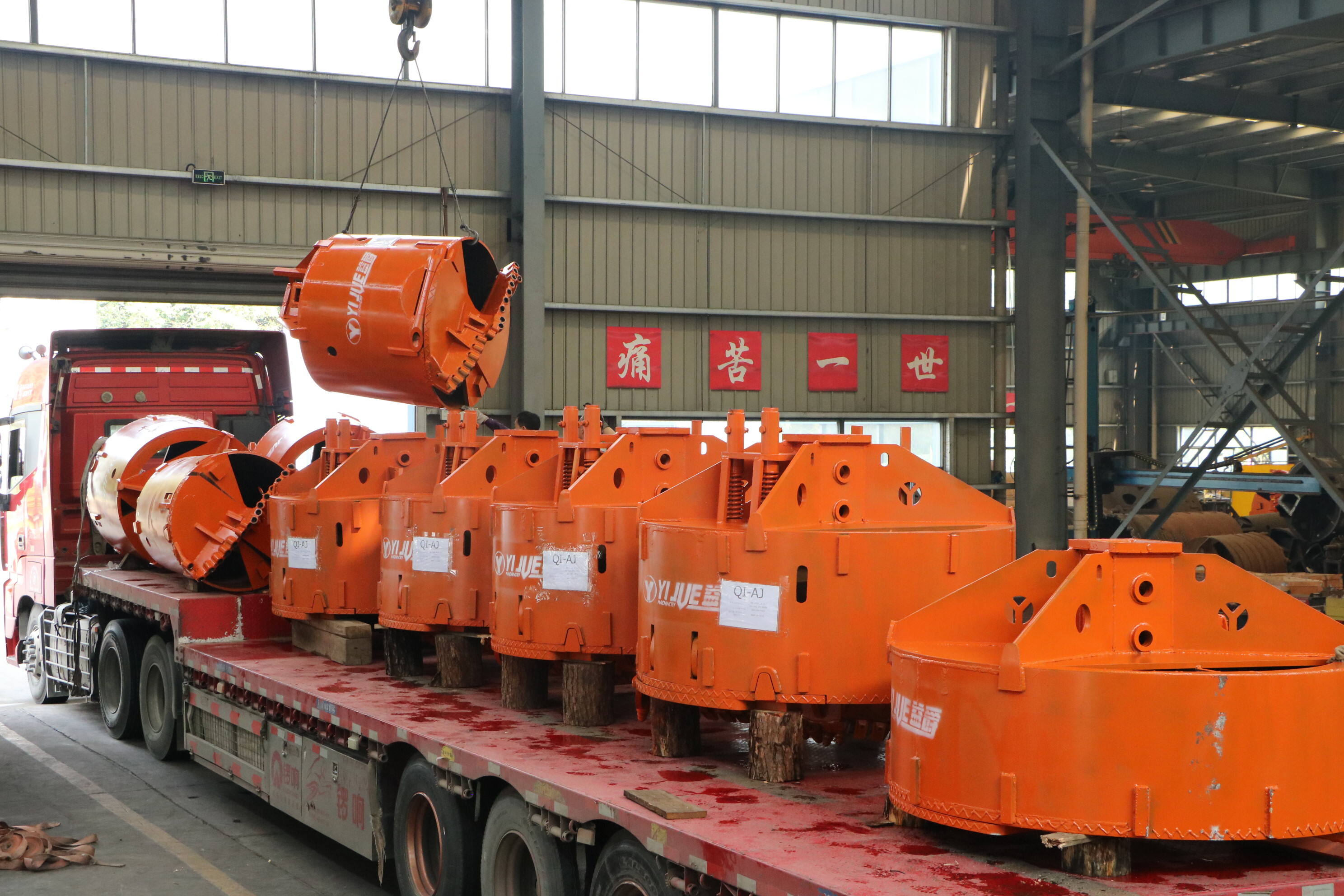
Core Daily and Weekly Maintenance Procedures for Rock Drilling Buckets
Cleaning, Lubrication, and Bolt-Torque Verification Protocols
Regular cleaning stops abrasive stuff from building up which speeds up equipment wear. After every shift, give those bucket surfaces a good pressure wash, paying special attention to hinge areas and tooth sockets since that's where all the dirt tends to collect. Don't forget to slap on some high temp grease at all the pivot points once a week. Field reports indicate that getting lubrication right cuts down on friction problems by around 40% when working with granite materials. The most important thing? Always check bolt tightness using proper calibration tools. Safety audits show that roughly 70% of structural issues come down to just loose bolts (NSC 2023). Keep track digitally of those torque readings too. Critical bolts should be tightened again after about 50 hours of operation because things settle in during the first run time.
- Post-shift cleaning: Remove all rock fragments from teeth bases and adapter pockets
- Lubrication schedule: Grease shanks every 10 hours, bushings every 50 hours
- Torque verification: Critical bolts require 1,200–1,500 N·m, depending on bucket class
Post-Shift Inspection Checklist Validated by Field Data
A 15-point inspection routine—validated across 200+ quarry sites—reduces unexpected downtime by 30%. Begin with structural integrity: perform dye penetrant testing monthly for cracks. Measure cutting edge wear against baseline thickness and replace at 30% loss. Document key metrics in the table below:
| Component | Inspection Frequency | Critical Threshold | Action Required |
|---|---|---|---|
| Teeth/Shanks | Daily | >15mm wear flat | Rotate or replace |
| Adapter Pockets | Weekly | >5mm deformation | Weld repair |
| Bushing Clearance | Bi-weekly | >2mm play | Press-fit replacement |
Thermographic scans during operation detect abnormal heat patterns—early indicators of fatigue failure. Operators using digital logbooks achieve 22% longer component life (Mining Tech Review 2024).
Advanced Predictive Maintenance for Rock Drilling Buckets
Vibration and Thermal Monitoring to Forecast Component Failure
Sensors that detect vibrations and temperature changes help catch problems as they start to develop. When there's abnormal vibration, it usually means something is wrong with bearings or structural parts are getting tired. A sudden jump in temperature often points to issues with lubrication or areas where friction is creating heat spots. Setting up what counts as normal operation makes it possible to get warnings when things go beyond about 15% higher than usual standards. This early warning system lets technicians fix issues before anything breaks completely. According to various tests done in the field, using this proactive approach cuts down on unexpected stoppages by around 30 to 50 percent and makes buckets last roughly 40% longer compared to just fixing things after they break. Experience shows that high frequency vibrations tend to come right before tooth holders crack, and when temperatures aren't distributed evenly across equipment, it's typically a sign that seals in hydraulic systems will fail soon.
| Monitoring Parameter | Failure Indicators | Preventive Action |
|---|---|---|
| Vibration Amplitude | Bearing wear, structural cracks | Bolt retorquing, component replacement |
| Temperature Gradients | Lubrication failure, friction hotspots | Coolant flush, surface regrinding |
| Spectral Analysis | Imbalance, misalignment | Dynamic balancing, alignment correction |
Digital Wear Mapping and Scheduled Inspections Using Smart Logbooks
Digital wear mapping relies on those super accurate 3D laser scans that measure exactly how much material is lost from various parts including teeth, adapters, and side cutters. These scans create what we call "wear fingerprints" which basically tell us how long a component will last before needing replacement. When connected to smart logbooks, these digital replicas can actually schedule maintenance checks based on real wear patterns instead of just going by the clock. Take for example a bucket used for drilling through granite rock formations. Such equipment might need checking after around 120 operating hours, whereas similar gear working with softer materials like limestone could go for closer to 200 hours between inspections. The whole system saves roughly a quarter of the time spent on manual inspections while preventing folks from replacing parts too early. Workers get notifications on their phones whenever any part gets close to reaching that 80% wear mark, so they know when to step in and keep operations running smoothly without unexpected downtime.
Extending Rock Drilling Bucket Life in Abrasive Formations
Hardfacing Techniques and Replaceable Cutting Edge Systems
Applying tungsten carbide overlays to those high stress areas boosts wear resistance by around three times what we see in regular untreated steel when working through tough materials such as granite and basalt according to Field Engineering Reports from last year. These protective coatings basically take the brunt of impacts so the main structure stays intact longer. Then there are these modular cutting systems that snap right onto equipment. They really help stretch out how long things last because workers can swap out damaged parts quickly without having to tear down entire buckets. Maintenance shops report getting their turnaround time down by about 40% thanks to this approach. All told, combining these methods cuts down on replacement expenses by nearly 60% per year while keeping machines performing consistently even against those stubborn quartz filled rocks that everyone hates dealing with.
Wear Signature Analysis: Linking Chipping, Erosion, and Penetration Rate Decline
Analyzing wear signatures connects how equipment breaks down physically - things like chips forming, edges wearing away, teeth getting deformed - to actual drops in performance numbers. Take penetration rates for instance. When teeth erode past about 8mm mark, we usually see them fall somewhere between 15 to 20 percent lower according to this study from Geotechnical Operations back in 2023. Keeping track of all these wear patterns lets companies plan when parts need replacing instead of waiting until they fail completely. This approach can actually stretch out component lifespan around 22% just by swapping things out at the right time. Field workers who map how wear develops alongside rock hardness measurements and total drilling time find themselves better positioned to schedule maintenance work. This helps prevent those costly unexpected shutdowns, which matters a lot especially when dealing with rocks containing high silica content.
Frequently Asked Questions (FAQ)
What is the importance of cleaning and lubrication for rock drilling buckets?
Cleaning and lubrication are essential maintenance tasks because they prevent equipment wear. Regular cleaning stops abrasive material build-up, and lubrication reduces friction, extending the life of drilling components.
How often should bolt-torque verification be performed?
Critical bolts should be verified after approximately 50 hours of operation, as they tend to settle during initial run time, with inspection ensuring they are correctly tightened.
What role do vibrations play in predictive maintenance?
Vibrations are crucial indicators of component wear, such as bearing fatigue or structural cracks. Monitoring vibration levels helps technicians catch problems early and perform necessary repairs before issues escalate.
Why are 3D laser scans beneficial in wear mapping?
3D laser scans provide precise measurements of material loss in components, offering valuable data that can be used to predict lifespan and schedule timely inspections based on actual wear, rather than arbitrary time schedules.