EN
EN

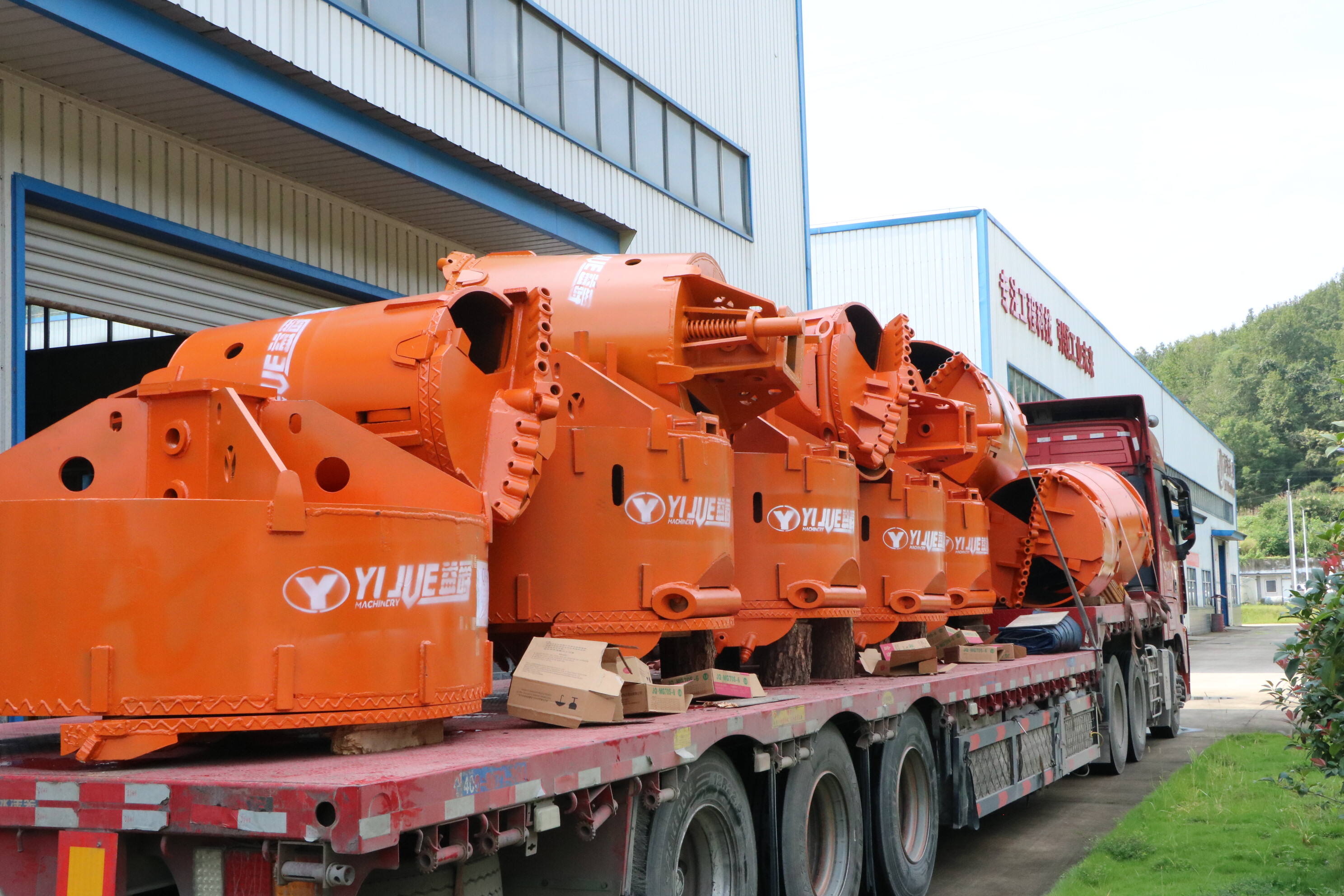
Drilling Bucket Applications in Large-Diameter Borehole Projects
Infrastructure and energy projects requiring 24–48 inch boreholes
Drilling buckets really boost productivity for big infrastructure and energy projects that need those wide boreholes ranging from 24 to 48 inches across. Top manufacturers have pushed the limits even further, making buckets that can handle holes as big as 157 inches or 4,000 millimeters. This lets construction crews dig through different ground types including sticky clay soils, sandy areas, and broken rock formations without compromising stability underground. What makes them stand out compared to regular augers? Well, instead of constantly moving material like continuous flight augers do, drilling buckets grab soil in cycles and lift it out. This approach cuts down on vibrations which matters a lot when working near delicate structures such as bridges. The process keeps holes straighter too and puts less strain on the machinery overall.
Key project types: bridge foundations, wind turbine pads, and deep utility shafts
Three primary applications demonstrate the versatility of drilling buckets:
- Bridge foundations: Achieve exact pile placement in riverbeds using intact soil samples for real-time geotechnical verification
- Wind turbine pads: Excavate stable anchor points across variable strata—from glacial till to bedrock—without bentonite slurry
- Deep utility shafts: Construct 100+ foot shafts for municipal infrastructure with controlled material removal, reducing spoils volume by 30% compared to open excavation
Environmental and Geotechnical Advantages of Drilling Buckets
No bentonite or polymer slurry needed: reduced site contamination and transport costs
Drilling buckets basically do away with those old school stabilization fluids such as bentonite slurries. This means no more worries about groundwater getting contaminated, plus companies can save around 40% on hazardous waste disposal costs according to what various industry reports have shown. When there's no need to transport all that slurry back and forth, fuel consumption goes down dramatically along with the carbon footprint from transportation activities. The mechanical method keeps the boreholes stable because it relies on accurate cutting rather than adding chemicals to the mix. This approach helps construction crews comply with tough environmental standards while also trimming material handling costs somewhere between fifteen thousand to twenty thousand dollars per job site.
Intact, representative cuttings for real-time soil classification and QA/QC
The drilling bucket method gets soil samples that show what's really going on underground when it comes to layers, moisture levels, and how those layers fit together. This is different from slurry techniques which tend to mess up the soil structure completely. When engineers look at these cuttings right there at the site, they can check if the ground will support the planned structures and tweak their foundation plans before pouring concrete. Getting this information while work is still happening saves money because nobody wants to tear things apart halfway through construction. Crews spot issues like unstable sand pockets or clay that expands when wet much earlier than traditional methods allow. Some studies in geotechnics suggest this approach cuts down structural failures by around a quarter. Plus, quality control checks happen continuously throughout the process instead of waiting for lab results that take days to come back.
Enhanced Load-Bearing Capacity via Belling Buckets
How Under-Reaming Increases Base Area and Axial Capacity in Deep Foundations
When using belling buckets for under-reaming, the base diameter of drilled shafts gets expanded mechanically, which means there's more surface area available to bear loads. This kind of geometric expansion spreads out the structural weight over a wider area of good quality soil, thereby improving how much weight can be supported before settling occurs. For soils that stick together well, expanding the base diameter by around 30 to 50 percent usually boosts the bearing capacity anywhere from 200 to 400 percent according to research published in the ASCE Foundation Engineering Journal last year. Such improvements allow engineers to design foundations that aren't so deep while still maintaining structural integrity. What's really nice about this method is that it cuts down on the amount of extra concrete needed along with reinforcement materials, potentially saving up to a quarter of what would otherwise be spent on traditional straight-shaft options. Contractors also benefit because they get real soil samples right from the hole itself during excavation work. These samples help verify if the soil layer beneath actually matches expectations, making sure the widened base interacts properly with solid ground below. Because of these advantages, many construction teams now rely heavily on these specialized drilling buckets when building structures that require significant support like earthquake resistant bridges or massive wind turbines standing tall against strong winds.
Key Mechanics Explained:
- Base Expansion: A 36-inch shaft belled to 54 inches increases base area by 125%, directly proportional to capacity gains.
- Soil-Structure Synergy: Enlarged bases anchor deeper into load-bearing strata, resisting uplift forces in wind/tower applications.
- Cost Efficiency: Higher individual pile capacity reduces the total number of piles required per project.
Soil Suitability and Operational Limits for Drilling Buckets
Drilling buckets work really well in certain types of soil but run into problems when the geology changes up on them. When dealing with sticky soils like clay, those buckets need wider cutting edges so the material doesn't just cling to everything and mess up the whole digging process. Sand is totally different though. The teeth on the bucket have to be pretty aggressive to get through all that loose stuff without getting stuck. Now throw in rocky ground or something really abrasive? That's when we bring out the heavy duty rock buckets with those hardened teeth. But even then, things start going south in wet soils or mixtures that aren't consistent throughout unless we make some special modifications first. There are also practical limits to how deep these buckets can go before hitting around 100 feet in solid rock, and they struggle mightily in unstable gravel layers where sometimes core barrels become absolutely necessary for any kind of stability at all. Following these basic rules helps keep the boreholes intact while reducing those frustrating unexpected shutdowns everyone hates so much.
FAQ Section
What are drilling buckets used for in construction?
Drilling buckets are used for creating large-diameter boreholes in infrastructure and energy projects, such as bridge foundations and wind turbine pads, by efficiently removing soil with reduced vibrations.
Why are drilling buckets preferred over traditional methods?
Drilling buckets minimize site contamination by eliminating the need for bentonite slurries, provide real-time soil samples for geotechnical analysis, and enhance load-bearing capacity through techniques like under-reaming.
What types of soil are suitable for drilling buckets?
Drilling buckets are effective in clay, sandy, and rock-laden areas but require adjustments for sticky clays and loose sands. They may struggle with wet soils or inconsistent ground layers.