EN
EN

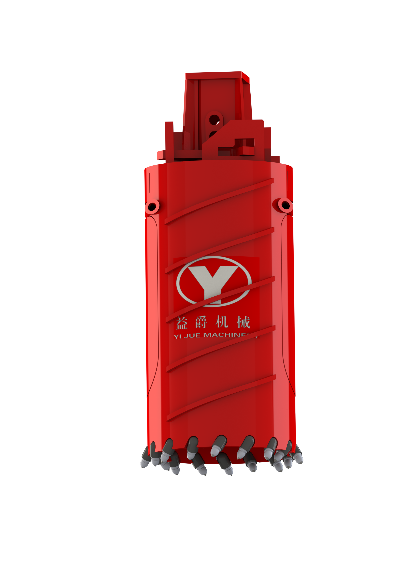
Understanding Core Barrels: Types and Key Components
In modern drilling operations, core barrels are essential tools for getting those undisturbed rock samples we need for analysis. Different designs have been developed to tackle various formation problems that come up during drilling. We typically see three main types out there: single tube, double tube, and triple tube systems. Each has its own strengths when it comes to protecting samples and how well they work in the field. The single tube version works great in softer ground because it's straightforward and cheaper to run. For tougher situations like fractured rock layers, triple tube setups really shine. Recent studies from 2023 show these triple tubes can recover around 92% of cores in such conditions, which beats the double tube systems by about 15 percentage points when everything else is equal. That kind of performance makes them a popular choice for many drilling teams facing challenging subsurface environments.
Core Barrel Components and Their Functional Roles
Every core barrel consists of five critical elements:
- Outer casing (withstands downhole pressures up to 2,500 PSI)
- Inner tube (preserves sample integrity during extraction)
- Diamond-embedded cutting bit (maintains cutting efficiency in rock up to 200 MPa compressive strength)
- Core lifter (prevents sample slippage during retrieval)
- Standardized drill rod connections (ensure compatibility with 95% of ISO-certified rigs)
These components work synergistically to maintain structural stability and minimize core disturbance, especially in challenging lithologies where sample integrity is paramount.
Double-Tube vs. Triple-Tube Core Barrel Systems
In mineral exploration work, double-tube systems have become pretty much standard equipment when dealing with rocks that aren't too soft but still require some care (around 40 to 120 MPa hardness range). These setups typically feature an outer barrel that spins while keeping the inner tube fixed in place. When we need extra protection for fragile rock samples though, many geologists turn to triple-tube designs instead. The third layer acts like a shock absorber between the moving parts, cutting down torsional stress on delicate cores by about a quarter compared to traditional double-tube methods. This kind of setup really shines when collecting samples from tricky materials like volcanic tuff formations, those super broken up coal seams, or even sediment layers found deeper than 1500 meters under the ocean floor where pressure can be absolutely brutal on regular drilling equipment.
Customizing Core Barrel Dimensions and Geometry for Optimal Performance
Impact of Outer Diameter, Inner Diameter, and Wall Thickness on Drilling Efficiency
The dimensions of core barrels that are precision engineered have a big impact on how fast drilling happens, what kind of samples we get, and how much money operations cost overall. According to research published in the 2023 Drilling Efficiency Study, when they increased the outer diameter by around 15%, it actually made the rate at which the drill goes into granite rock drop by about 22%. And if the inner diameter is too small, cores tend to break more often, with studies showing fracture rates go up roughly 38%. Finding the right wall thickness is all about getting the balance right between making sure the barrel holds together under pressure but also keeping it light enough to work with. Steel walls that measure between 7 to 9 millimeters thick experience about 94% fewer problems with deformation compared to thinner ones, especially important when working in boreholes deeper than 300 meters down.
Diamond Core Drill Wall and Kerf Thickness Optimization
Modern diamond core drills achieve peak performance when kerf thickness (cutting groove width) aligns with formation abrasiveness. Recent field trials indicate:
- 2.5mm kerf widths extend diamond segment life by 40% in sedimentary rock
- A 2:1 wall-to-kerf ratio (e.g., 4.0mm wall with 2.0mm kerf) reduces vibration-induced breakage by 67%
- Hybrid designs with variable wall thickness improve cooling efficiency by 29% during continuous coring operations
Matching these parameters to formation characteristics enhances tool longevity and minimizes thermal degradation of the matrix.
Core Drill Bit Sizing and Industry Measurement Standards
Standardized core barrel sizing ensures global equipment interoperability:
| Core Size | Outer Diameter | Primary Applications | Recovery Advantage |
|---|---|---|---|
| BQ | 36.4mm | Precious metal veins | Minimizes sample loss |
| NQ | 47.6mm | Geothermal surveys | Balanced cost/recovery |
| HQ | 63.5mm | Coal seam analysis | Maximum sample volume |
| PQ | 85.0mm | Mineral exploration | Structural integrity |
These dimensions adhere to ASTM D2113-18 standards, ensuring ±0.25mm manufacturing tolerances for precision-critical applications and seamless integration across drilling platforms.
Matching Core Barrels to Formation Types and Material Challenges
Formation-Specific Core Barrel Selection Strategies
Getting core barrels right starts with knowing what kind of ground we're dealing with. For those soft sediment layers, most drillers stick with single tube setups since they save money on samples. But when it comes to broken up metamorphic rock, things get trickier. We need triple tubes plus stabilizers to keep from losing precious core samples downhole. A recent look at drilling data from 2024 shows something interesting too. When crews matched their barrels to the actual rock formations they were working in, they saw about a 27 percent boost in sample recovery rates over standard equipment in complicated geological situations. That makes all the difference in getting accurate subsurface information for engineering projects.
Drilling Requirements for Rock, Concrete, and Geological Strata
Material composition directly influences barrel specifications:
- Igneous rock: Requires diamond-impregnated bits with reinforced steel bodies (¥5mm wall thickness)
- Reinforced concrete: Carbide-tipped cutters (HRC 60–65 hardness) resist wear from rebar abrasion
- Unconsolidated strata: Double-tube systems with anti-rotation liners preserve sample structure
In granite formations exceeding 200 MPa compressive strength, optimized kerf-to-wall thickness ratios (ideally 1:2.5) yield 40% faster penetration rates.
Case Study: Improved Core Recovery in Hard Rock Using Customized Barrels
A quartzite mining operation achieved 91% core recovery—significantly above the industry average of 68%—through three key modifications:
- Spring-loaded inner tubes with 12mm shock absorption buffers
- Custom 94mm outer diameter aligned with localized fracture patterns
- Tungsten-carbide pick arrays spaced at 15mm intervals
This configuration reduced core fracturing by 62% while maintaining a consistent penetration rate of 4.2m/hr in 280 MPa rock, demonstrating how targeted design adjustments can overcome extreme material challenges.
Steel Body Construction: CNC Machined vs. Brazed Core Drills
Manufacturing Techniques in Diamond Core Drill Steel Body Construction
Today's core barrels generally come in two main types when it comes to how they're built: CNC machining versus brazing techniques. With CNC machining, manufacturers start with one solid piece of steel and cut it down precisely, resulting in walls that stay consistently thick within about 0.05mm difference across the whole barrel. This kind of machining also gives better alignment throughout the barrel, so there's less shaking when drilling at high speeds. On the other hand, brazed barrels involve joining several parts together using special high heat alloys. While this approach can save money on manufacturing costs and allows for easier replacement of worn parts, those connection points between sections tend to be weaker spots over time. Looking at what various industry reports show, CNC machining cuts down on material flaws by around 34% compared to other methods. That makes a big difference in situations where cores need to go really deep underground or through tough materials, because nobody wants their equipment failing mid-job due to structural issues.
Performance and Durability Comparison: CNC Machined vs. Brazed Designs
Field tests reveal clear performance differences:
- CNC designs: Deliver 15% longer service life in abrasive formations due to seamless construction
- Brazed designs: Offer 40% faster heat dissipation but exhibit 22% higher failure rates under lateral stress
While CNC-machined barrels support higher axial loads (up to 18 kN versus 12 kN for brazed), brazed systems allow quicker component replacement—an advantage when drilling through mixed lithology requiring frequent bit changes.
Balancing Cost Efficiency With Long-Term Reliability in Steel Body Design
The choice between manufacturing methods depends on project scope and formation conditions:
| Factor | CNC Machined | Brazed Design |
|---|---|---|
| Initial Cost | $1,800–$2,500 | $950–$1,400 |
| Maintenance Cost/100h | $120 | $310 |
| Optimal Use Case | Hard rock (>6 Mohs) | Soft sediments |
Drilling contractors report 28% lower total ownership costs for CNC systems over multi-year projects, whereas brazed barrels offer better short-term ROI for shallow exploratory coring. Selecting the right design requires evaluating formation hardness, expected runtime, and available maintenance infrastructure.
Mounting Compatibility and Integration with Drilling Equipment
Proper core barrel customization extends beyond physical dimensions to mounting system optimization. Operators must balance three critical interface factors to ensure seamless equipment integration.
Threaded vs. Straight Shank Mounting Types and Their Applications
Most hard rock drilling operations rely on threaded connections, which account for around three quarters of all granite drilling work. These connections transmit torque better because they distribute loads in a spiral pattern across the threads. When dealing with unstable ground conditions though, many operators switch to straight shank systems instead. The reason? Quick barrel changes become critical when there's a real danger of losing valuable core samples during extraction. We're starting to see some interesting new developments too. Hybrid designs now mix threadless connectors with those interlocking spline features, creating something that works pretty well in those medium density sedimentary rocks without all the hassle of traditional threading methods.
Ensuring Compatibility With Existing Drilling Rigs and Systems
Modern rigs require verification of four key compatibility parameters:
- Hydraulic flow rates (25–40 GPM typical for industrial models)
- Chuck thread patterns (API 5.3/7.9 standards widely adopted)
- Spindle nose configurations (SAE A-1 through C-8 classifications)
- Maximum allowable overhang (¥2% of barrel length)
Standardization of these interfaces has significantly reduced equipment mismatch errors across drilling sites.
Standardized Interfaces for Seamless Core Barrel Integration
Industry leaders now prioritize:
- ISO 14624-compliant flange interfaces for pressure containment
- DIN 2248 alignment grooves to prevent rotational slippage
- Interchangeable shank adapters that support legacy equipment modernization
These advancements enable 92% parts compatibility when transitioning from mechanical to automated drilling platforms, streamlining upgrades without sacrificing operational continuity.
FAQs on Core Barrels
What is the primary function of a core barrel in drilling operations?
The core barrel's primary function is to retrieve undisturbed rock samples during drilling operations, essential for geological analysis and evaluation.
Why are triple-tube core barrels preferred in fractured rock formations?
Triple-tube core barrels provide enhanced protection for delicate samples and excel in fractured rock formations, offering superior core recovery rates compared to single and double-tube systems.
How do core barrel dimensions affect drilling efficiency?
Core barrel dimensions, including outer and inner diameters and wall thickness, significantly impact drilling efficiency, sample integrity, and operational cost-effectiveness.
What are the advantages of CNC-machined core barrels over brazed core barrels?
CNC-machined core barrels offer superior structural integrity, reducing material flaws and providing longer service life compared to brazed core barrels.
How do core barrel mounting types influence drilling equipment integration?
Core barrel mounting types, such as threaded and straight shank systems, ensure optimal torque transmission and facilitate efficient barrel changes based on ground conditions.
Table of Contents
- Understanding Core Barrels: Types and Key Components
- Customizing Core Barrel Dimensions and Geometry for Optimal Performance
- Matching Core Barrels to Formation Types and Material Challenges
- Steel Body Construction: CNC Machined vs. Brazed Core Drills
- Mounting Compatibility and Integration with Drilling Equipment
-
FAQs on Core Barrels
- What is the primary function of a core barrel in drilling operations?
- Why are triple-tube core barrels preferred in fractured rock formations?
- How do core barrel dimensions affect drilling efficiency?
- What are the advantages of CNC-machined core barrels over brazed core barrels?
- How do core barrel mounting types influence drilling equipment integration?