EN
EN

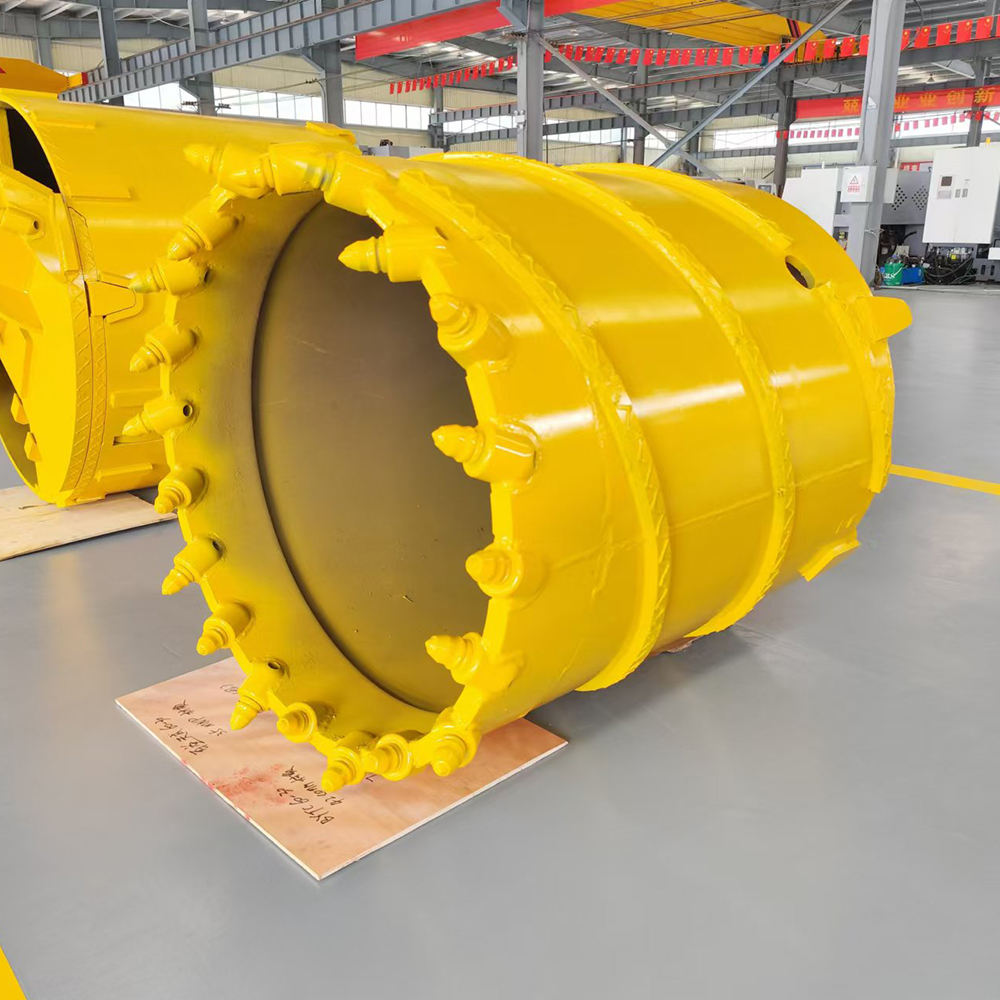
Material Selection and Surface Engineering for Core Barrel Durability
How PM Steel, Nitrided Surfaces, and Cr/Ni Plating Resist Wear in Core Barrel Applications
Powder metallurgy (PM) steel has a more dense grain structure, reducing micro-pitting from 40% against cyclic drilling loads in conventional alloys. PM steel is microstructure uniform and is more resistant to early-stage cracking. Nitrogen diffusion creates a surface hardened subsurface barrier and the nitriding also increases the hardness to =65 HRC. When used with chrome-nickel plating, the system takes advantage of Cr's corrosion resistance and Ni's ductility to avoid coating separation during high-torque. In controlled abrasive wear studies, the use of Cr and Ni plating alongside PM and nitriding has been shown to improve service intervals by 300% in silica-rich formations.
Matching Barrel Hardness to Rock Abrasiveness and Filler Composition
Surface hardness and formation abrasiveness has to be matched for core barrel hardness. The surface hardness of alloy steel is always 60 HRC and achieves a reduction in macroscopic spalling. In some cases, drilled shales require steel barrels with 45 to 50 HRC, this is hard enough to include edge retention. The composition of drilling fluid also impacts the shooting surface. Bently fluid increases the corrosion rapidity of electrochemical corrosion, therefore requiring a surface treatment. In other cases, the use of a PTFE coating increased the decrease of a material transfer to 80%. The best operators have been shown to be the correlation between UCS to failure matrix in the target rocks.
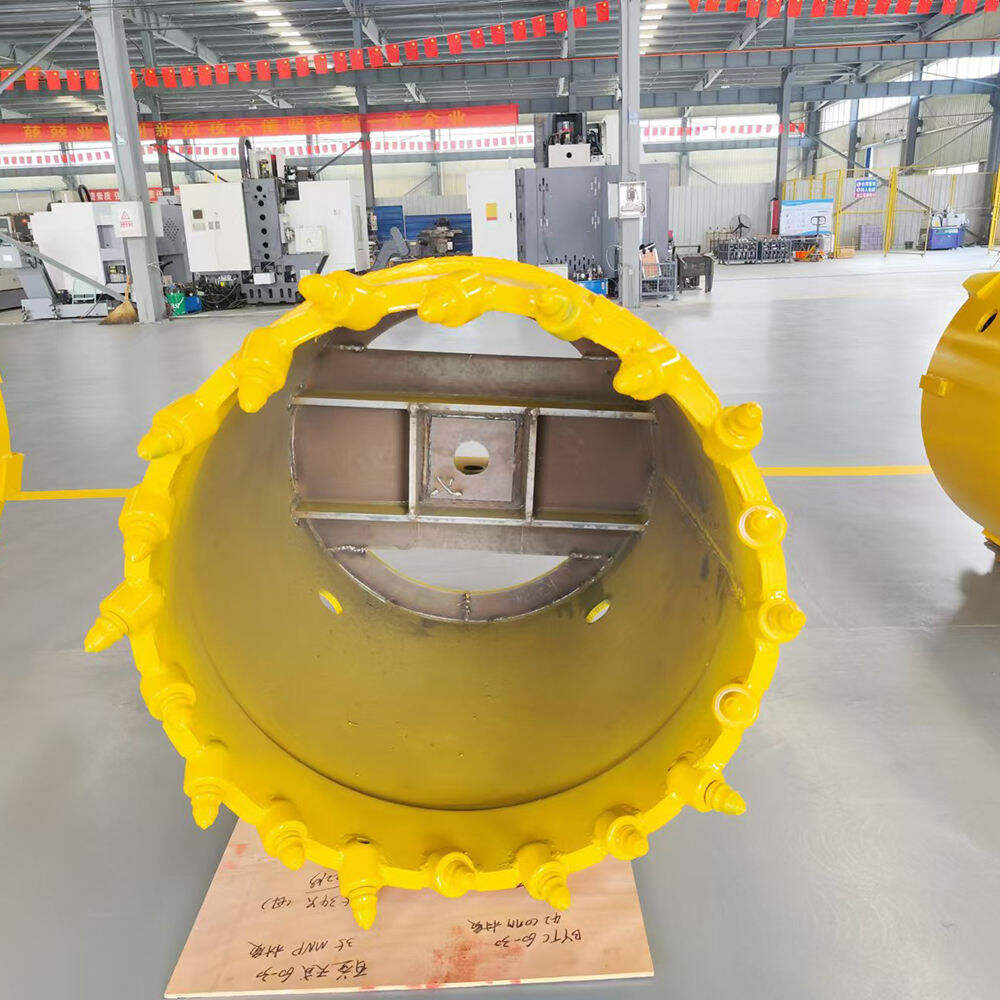
Maximizing Service Life with Structural Barrel Design
Optimal Surface Finish, Root Diameter, and Flight Clearance
Three main interdependent design parameters influence sub-surface core barrel fatigue failure most prominently: (1) wall contact friction; (2) root diameter; and (3) surface finish. Flight clearance sub-minimizes the majority of wall contact friction, and, therefore, lateral loading, and, consequently, wall contact friction increases structural integrity. Load distribution across the cross section and improving root diameter increases torsional rigidity. Oversized designs exhibit, on average, up to 30% greater service life in abrasive operating environments. The most vital. Semi-polished surface finishes (≤0.8 μm Ra) eliminate microscopic stress raisers: the principal fatigue crack nucleation sites. According to drilling simulation tests (2023, Geotechnical Analysis), barrels with super-finished surfaces endured 40% fewer fatigue failures. When combined these design parameters focus ure operational stresses on the integrity of the structural barrel rather than at the most vulnerable points relieving their stress.
Improper operational practices that rapidly deteriorate core barrel longevity
Poor drilling operation practices that rapidly deteriorate core barrel longevity: temperature (thermal) management, alignment, and drilling operation journeys.
Rapid deterioration of core barrel service life may be accelerated by up to 40% in abrasive operating environments when proper thermal management practices are not employed. Non-contact thermal sensors maintain surface temperatures below 140°F and internal temperatures below 60°C, at which point, integrity of the diamond matrix and the core barrel services provided are compromised. Additionally, inadequate surface geometry (conclusively) deteriorates surface (uncertainty) integrity when aligned within tolerance geometry (estimating) of within. Operators with concentricity of greater than or equal to 92% minimize bearing replacements by 37% annually, with a commensurate decrease in torsional impact cracking. Vertical alignment minimizes lateral wall surface (uncertainty) integrity deterioration, which ensures that the core barrel service (integrity) geometry and surface integrity (operational) services are geometry and surface integrity (operational) services.
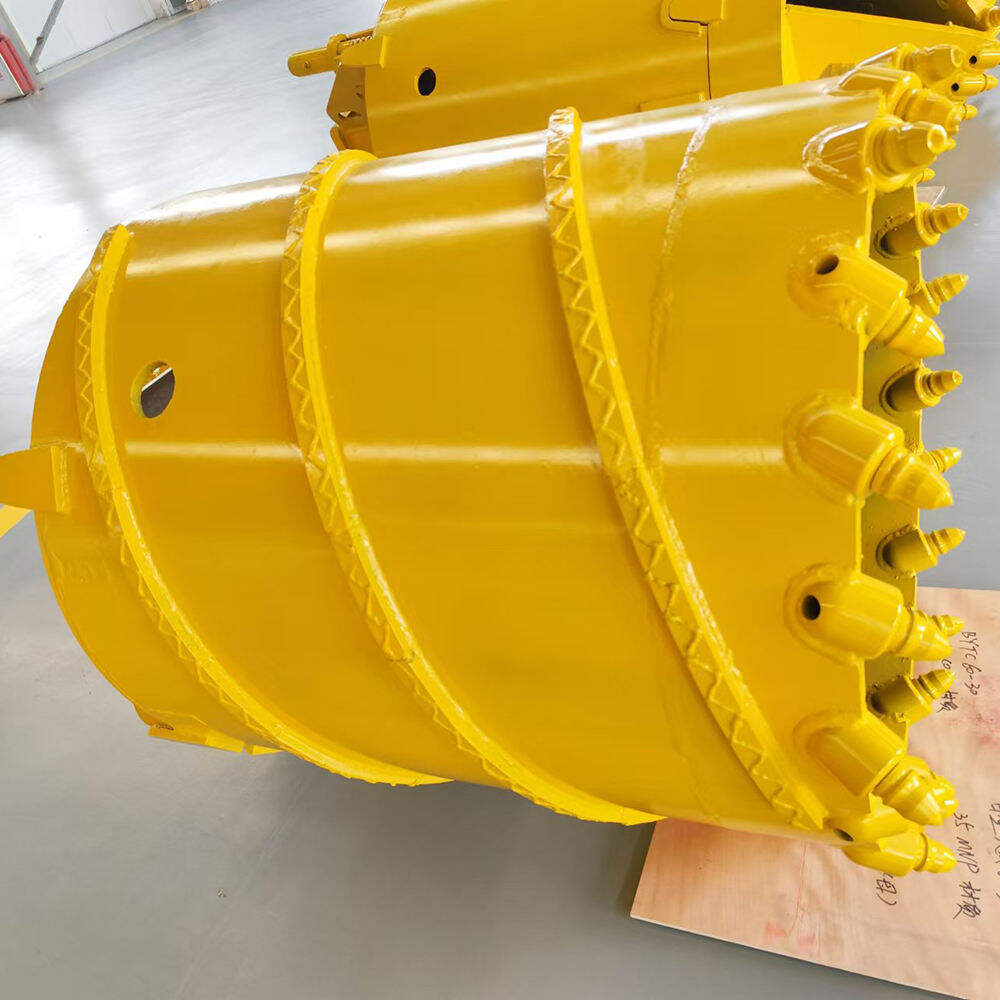
Exposure to moisture, oxygen, and byproducts of PVC/fluoropolymer can cause corrosion.
Total corrosion of core barrels is at 28% (Drilling Safety Institute, 2023). After nitriding, the surface of the core barrels is moisture sealed, and leads to proactive mitigation. Additionally, to allow the pH to remain neutral (and no longer cause pitting) nitrogen is introduced to combat oxygen and allow acidic residuals to hyperventilate. This all takes place post PVC/fluoropolymer extraction. With the factors identified and controlled, the probability of pitting diminishes by 63%, despite the showing of moisture. Surface defects (micro) are stress induced, and lead to composite failure of the structural integrity of the core barrel.
FAQs:
What materials allow steel core barrels to endure the most?
Utilize nitrided PM steel and Chromium/Nickel pairing plating, the combination provides corrosion resistance, and high fracture and wear resistance.
Can hardness of the core barrels affect drilling?
The answer is yes, but the hardness of the drilling core is dependent on the rocks abrasiveness and the drilling liquid.
What affects the durability of core barrels?
Design features such as reduction of diameter, and surface finish can all bring significant additive value to the barrel.
How can temperature control extend the life of a barrel?
Temperature control can ensure that damage is not sustained to the surface of the barrel and elongate the life of the barrel.