EN
EN

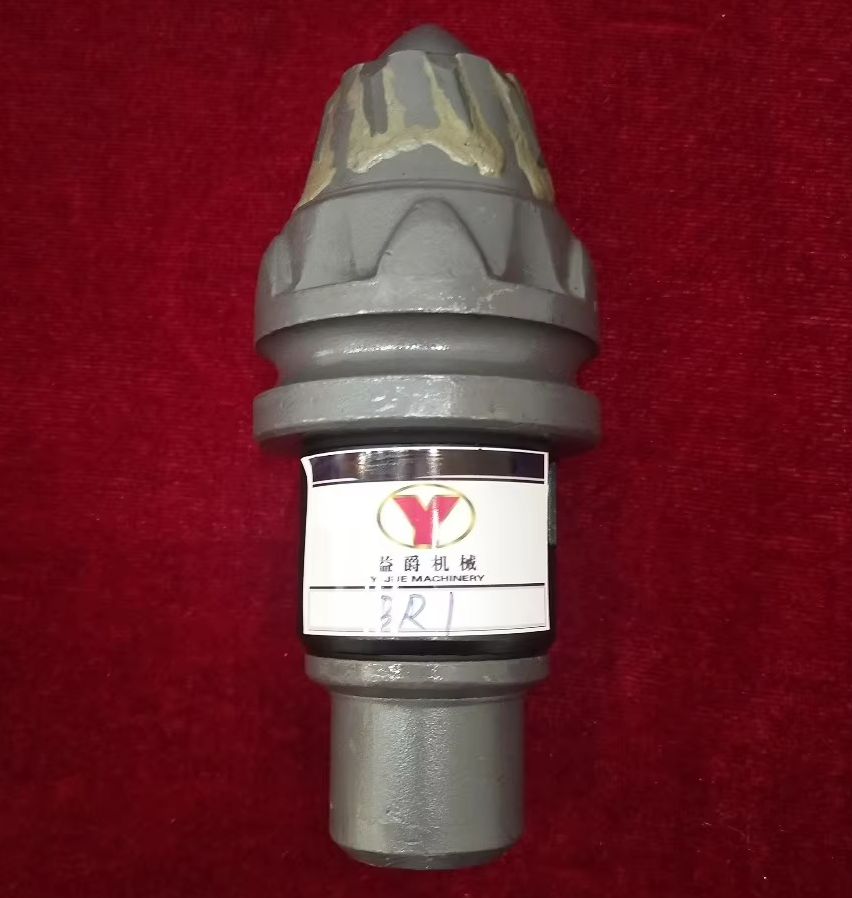
Fractured Rock Geomechanics: How UCS, Brittleness, and Fracture Networks Dictate Core Drill Bit Behavior
Key Mechanical Properties Governing Drillability and Core Recovery
The Unconfined Compressive Strength or UCS plays a major role in how well core drill bits can penetrate rock formations. Research shows that when UCS increases by around 50 MPa, drilling speeds tend to drop somewhere between 15 to 30 percent according to Xu and colleagues back in 2016. Then there's brittleness, which we usually measure using something called the B3 ratio that compares UCS to tensile strength. When this number goes over 35, rocks become really prone to breaking apart quickly, making it much harder to keep cores intact in areas where the rock is already fractured. Another factor worth mentioning is rock porosity. Once porosity gets above about 8%, stability starts dropping off because fluids can seep into the rock and weaken those borehole walls while coring operations are happening. All these characteristics combine to create what's known as the Rock Drillability Index or RDI. This index has been tested and proven effective for picking the right drill bits and adjusting operational parameters so operators can consistently achieve better than 90% core recovery rates even when dealing with complex geological formations that vary greatly in composition and contain fractures.
Fracture-Induced Core Loss and Accelerated Core Drill Bit Wear Mechanisms
When dealing with fracture networks during coring operations, we typically see three main failure problems showing up. First there's tensile spalling happening where fractures cross paths. Then comes shear forces causing the core to get stuck inside the borehole. And finally, those mixed mode vibrations end up displacing or damaging the precious diamond cutters on our tools. Looking at actual field measurements, when we hit fracture densities over about 12 per meter, core drill bit wear speeds up anywhere from 40% to 60%. This happens mainly because the cutting elements take such heavy impacts from all those fractures. What does this mean in practice? For PDC bits, it leads to early diamond table separation. Impregnated diamond bits suffer from matrix erosion, while roller cone versions often experience bearing failures. Our real time monitoring systems tell us something pretty important too. Once vibrations reach around 4g RMS levels, operators need to drop down the RPMs fast if they want to prevent total core loss. This just goes to show why having good control over drilling parameters matters so much when working through fractured formations.
Strategic Core Drill Bit Selection for Variable Fractured Formations
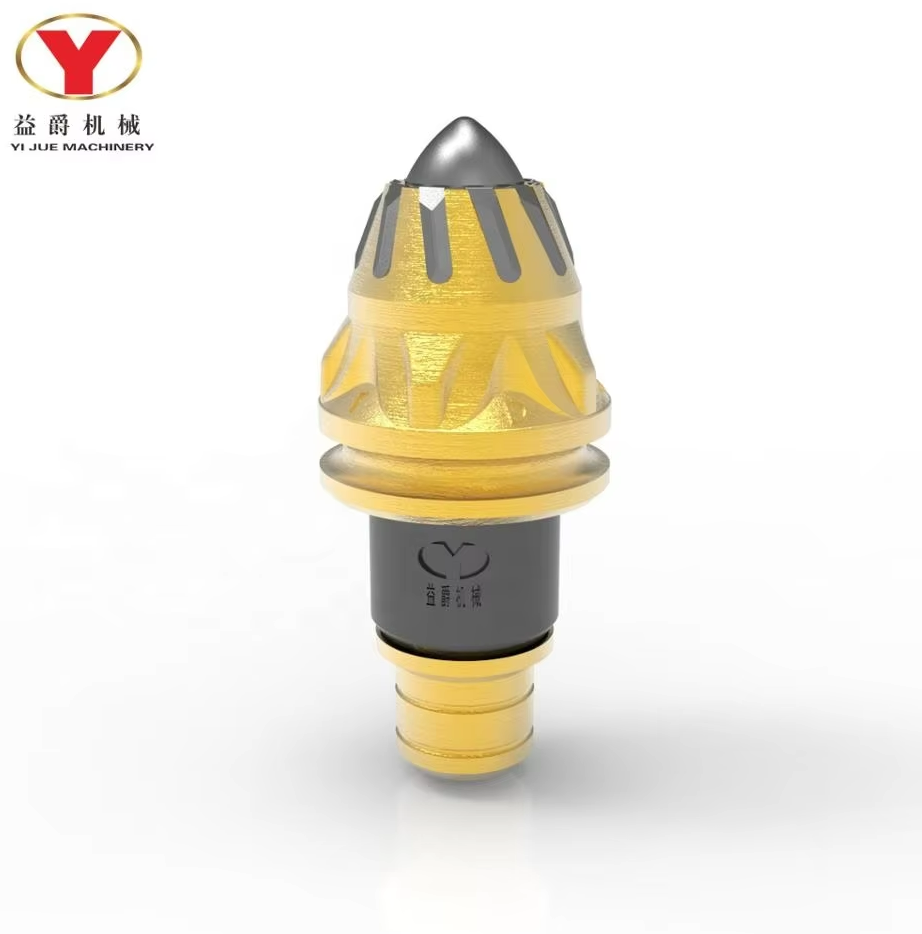
Diamond, PDC, and Roller Cone Core Drill Bits: Matching Bit Design to Rock Heterogeneity
Choosing the right core drill bit really depends on matching it to what kind of rock we're dealing with down there. Diamond impregnated bits work best when drilling through tough, scratchy rocks that are full of cracks. The way these bits grind helps keep the core sample intact even when things get shaky underground. On the flip side, PDC bits cut through soft stuff like shale or limestone much faster. Some field tests actually found they can go almost 40% quicker than those diamond bits in these conditions. Roller cone bits have their place too, especially in areas with moderate fracturing, but watch out for places where the ground is really unstable or loaded with quartz since these bits just don't last as long in those situations. When picking a bit, several factors need consideration including...
- Fracture density: Diamond bits outperform others in shattered rock (12 fractures/m)
- Abrasion levels: Tungsten carbide inserts degrade rapidly in quartz-rich formations
- Formation hardness: PDC cutters operate efficiently below ~25,000 PSI UCS
Data-Driven Selection Using Rock Drillability Index and Target Core Recovery Rate
The Rock Drillability Index, or RDI for short, combines three key factors - UCS values, how abrasive the rock is, and how often fractures appear - into one number that actually means something in practice. When the score goes over 7, it pretty much tells engineers they need diamond bits for drilling operations. Looking at core recovery rates adds another layer to this decision making process. For projects where maintaining over 90% sample integrity matters a lot, companies will go with those pricier impregnated diamond bits even though they cost more per unit. But when exploration work can tolerate around 70 to 80% recovery, budget conscious operators often opt for cheaper PDC bits instead. Real world testing shows these RDI guided choices cut down on bit replacements by about 35% while also boosting core quality improvements of roughly 22%, which beats what most experienced drillers manage without such metrics.
Precision Operational Tuning of Core Drill Bit Parameters for Stability and Integrity
Weight-on-Bit and RPM Optimization to Suppress Vibration and Prevent Core Breakage
Weight-on-Bit (WOB) and Revolutions Per Minute (RPM) must be carefully balanced in fractured rock. Excessive WOB induces premature fracturing in brittle segments, while high RPM amplifies lateral vibrations that shatter core samples—vibration alone accounts for 30–50% of core degradation in heterogeneous formations (Geotechnical Journal 2023). Strategic tuning mitigates these risks:
- Low-strength fractured zones: Reduce WOB by 15–20% and maintain moderate RPM (300–400) to limit stress concentration at fracture intersections.
- Interbedded hard strata: Incrementally increase WOB while monitoring torque fluctuations to prevent bit bounce and associated core disruption.
Field trials confirm optimized WOB/RPM combinations reduce vibration amplitude by 60% and improve core recovery by 35% in faulted limestone—especially when supported by real-time drill string telemetry for prompt parameter correction.
Real-Time Adaptive Control Loops for Dynamic Core Drill Bit Performance Adjustment
Modern coring systems integrate downhole axial accelerometers and gyroscopes to establish closed-loop adaptive control. Detected vibrations trigger automatic WOB and RPM adjustments within 0.5 seconds—preventing cascading failures when intersecting dense fracture swarms. Adaptive algorithms cross-reference real-time lithology data with historical bit performance to adjust parameters for:
- Sudden hardness changes: Preemptively reducing RPM before diamond matrix overheating occurs
- Fracture density shifts: Modulating fluid flow rates to clear cuttings without eroding already-fractured core
Operators using such systems report 22% longer bit life and 40% fewer core jams in structurally complex terrains. Continuous machine learning refines response protocols based on formation feedback—transforming reactive corrections into predictive optimization.
FAQ
What is UCS and how does it affect drillability?
UCS stands for Unconfined Compressive Strength, a crucial measure that influences how easily core drill bits can penetrate rock. As UCS increases, drilling speeds tend to decrease significantly.
How does brittleness impact core recovery in fractured rocks?
Brittleness, measured as the B3 ratio, makes rocks prone to breaking apart rapidly. When dealing with highly brittle rocks, core recovery becomes challenging, especially if the rocks are already fractured.
Why is rock porosity important in coring operations?
High rock porosity, exceeding 8%, can reduce stability as fluid seepage weakens borehole walls during coring, impacting core recovery.
How does fracture density affect core drill bit wear?
High fracture density accelerates core drill bit wear due to increased impacts on cutting elements, which leads to significant wear mechanisms.