EN
EN

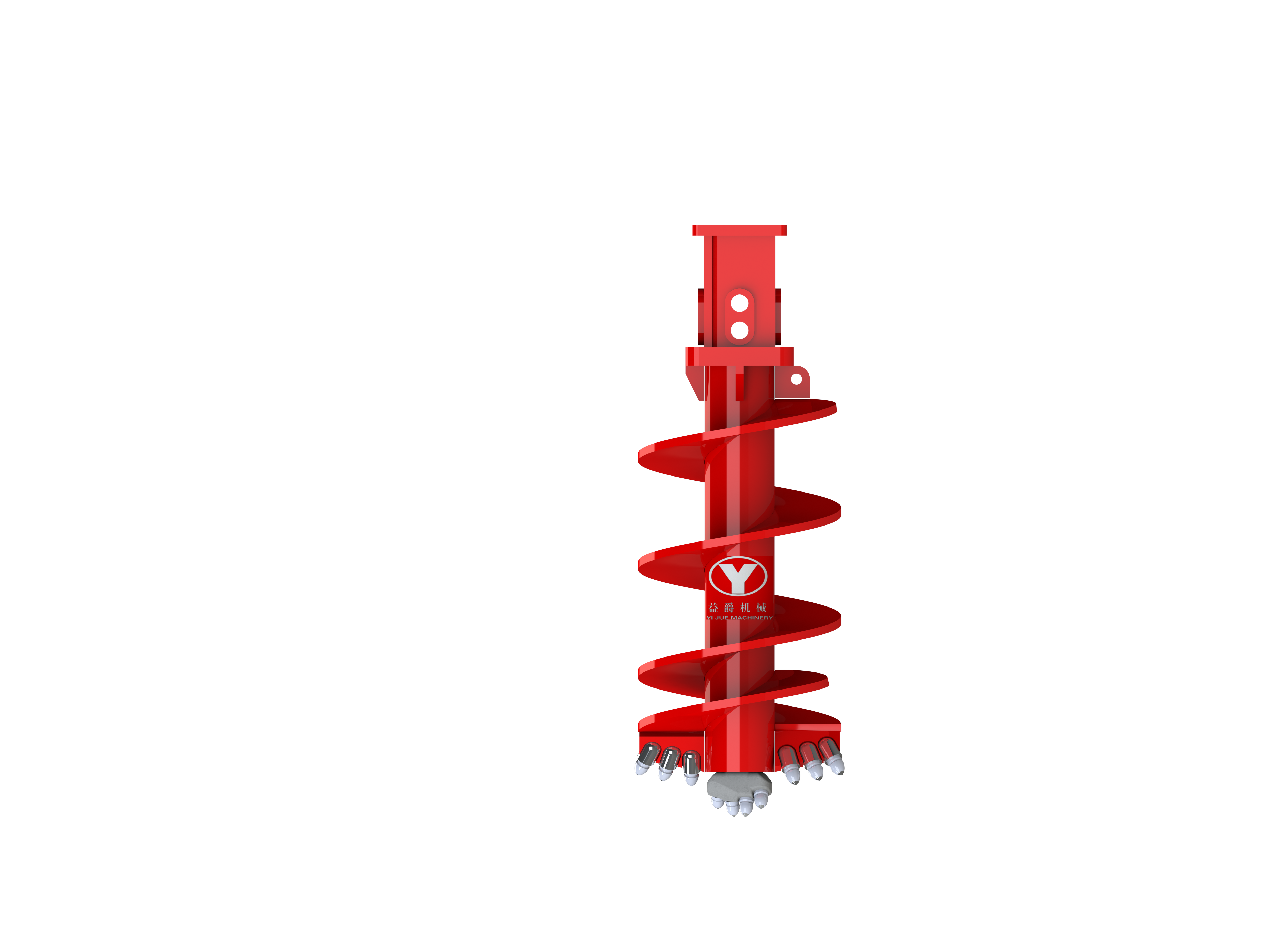
The Harsh Reality: Why Conventional Drill Teeth Fail in Abrasive and Intermittent Rock
Standard drill teeth often break down completely when working through really tough formations containing lots of flint or cemented rock layers. The problem comes from those tiny flint particles, which rank around 7 to 9 on that mineral hardness scale most people know as Mohs. These little bits act like sandpaper at microscopic level, wearing away High Speed Steel (HSS) and regular tool steel teeth much faster than expected. According to field reports, wear happens about three times quicker in these conditions, and many teeth start looking pretty beat up after only forty hours of operation. What actually causes this rapid breakdown? Well, it turns out quartz particles get stuck in the softer parts of the metal, carving out permanent grooves that eventually weaken the whole structure. Drill operators have seen this happen time and again, leading to unexpected downtime and costly replacements.
Accelerated wear patterns in flint-rich conglomerates and cemented strata
Microscopic analysis reveals three dominant failure modes in these formations:
- Surface micro-cutting: Flint shards gouge 0.2–0.5 mm deep furrows per operational cycle
- Brittle fracture: Cemented strata cause chipping at carbide inclusion boundaries
- Thermal fatigue: Friction temperatures exceeding 600°C induce phase transformations in steel
These mechanisms collectively reduce tooth lifespan by 68% compared to homogeneous rock drilling, as validated by ISO 13314 compressive failure tests.
Limitations of HSS and tool steel teeth under cyclic impact–abrasion synergy
When impact forces (≥15 kN) combine with abrasive wear, conventional teeth exhibit critical vulnerabilities:
| Property | HSS Teeth | Tool Steel Teeth | Failure Threshold |
|---|---|---|---|
| Fracture Toughness | 8 MPa√m | 6 MPa√m | Cobble impacts 9 MPa√m |
| Hardness (HRC) | 62–65 | 55–58 | Flint abrasion 65 HRC |
| Impact Fatigue Limit | 20,000 cycles | 12,000 cycles | Conglomerates = 8,000 cycles |
This synergy causes premature tooth snapping at stress-concentration points, particularly where cobalt binder depletion exceeds 40% in tungsten carbide composites.
Tungsten Carbide Drill Teeth Durability: How Microstructure Dictates Performance
WC Grain Size and Cobalt Binder Content: Balancing Hardness (HRA 92–94) and Fracture Toughness (12 MPa·m)
What makes tungsten carbide (WC) drill teeth so tough starts right down at the tiny scale. When manufacturers control the WC grain size to stay under about 1 micron and mix it with around 6 to 12 percent cobalt binder, they create a material that hits Rockwell A hardness ratings between 92 and 94. This fine-grained structure stops cracks from spreading too easily while still keeping fracture resistance well over 12 MPa square root meters. When drills work through rough ground conditions, those small grains help prevent little fractures from starting when the bit goes through repeated stress. At the same time, the flexible cobalt component takes in shock from impacts, which stops the whole thing from shattering suddenly. Testing labs measure how well all this works using ASTM B771 shear tests. The best formulations show even wear patterns across the surface rather than chunks breaking off after going through thousands upon thousands of stress cycles in real world applications.
Optimized 94/6 wt% WC/Co Ratio for Severe Ground: Compressive Strength 6 GPa and Resistance to Micro-Ploughing
In really tough drilling conditions, the 94/6 weight percent tungsten carbide/cobalt mix gives some serious mechanical benefits. The compression strength goes well past 6 GPa, which matters a lot when going through those hard silicified conglomerate formations. With less cobalt in the matrix, there's reduced risk of plastic deformation happening when the drill teeth hit rocks, yet it still holds together pretty well. Studies by material experts show this particular blend cuts down on micro ploughing wear significantly. They checked this using scanning electron microscopes and found deformation depths under 0.3 mm after running for 120 hours straight in quartz rich ground. Plus, the structure has an impressive elastic modulus over 500 GPa, so the cutting edges stay stable in shape. This means the tool keeps cutting at consistent rates even as standard materials start breaking down fast under similar conditions.
Real-World Validation: Field Evidence of Extended Service Life
When it comes to showing how materials perform, nothing beats actual field tests. Take for instance a recent infrastructure project in the UK where they had to drill through tough cemented conglomerate rock formations. High strength tungsten carbide drill bits lasted about three times longer (around 3.2x) than regular high speed steel ones during these operations. We put this to the test using proper ISO 513 standards too, which gave us confidence in those results. Longer lasting drill bits mean fewer replacements needed over time, which cuts down on equipment downtime when working in harsh geological conditions. What makes this so valuable is that it connects what we see in lab settings with what actually happens out in the field. Drill operators dealing with abrasive and impact heavy environments now have solid proof that tungsten carbide stands up better to wear and tear than traditional options.
UK infrastructure project: 3.2× longer service life vs. HSS in cemented conglomerate (ISO 513-compliant testing)
Over the course of twelve months, researchers tracked how wear developed in equipment working through flint rich rock formations. Tungsten carbide teeth held their shape well past 420 hours of operation, whereas High Speed Steel (HSS) teeth needed replacing after only around 130 hours in similar conditions. Looking at the surfaces under Scanning Electron Microscopy showed surprisingly little damage from micro ploughing even though these materials were exposed to over 60% quartz content. To measure performance properly, the team looked at both weight loss over time and cutting efficiency according to industry standard ISO 513 guidelines. These findings point to significant differences in material longevity when facing abrasive geological challenges.
Failure Mode Analysis: Distinguishing Dominant Wear Mechanisms in Mixed Geologies
Impact fatigue vs. abrasive wear: evidence from SEM analysis of worn tooth surfaces in cobbles–clayey sand
Looking at tungsten carbide drill teeth through Scanning Electron Microscopy shows clear signs of failure when they work in mixed geological conditions such as areas with both cobbles and clayey sands. When drilling through sandy layers containing quartz particles, we see abrasive wear appearing as parallel micro scratches that gradually wear down the carbide edges over time. On the other hand, repeated impacts against cobbles create subsurface micro cracks which eventually lead to spalling fractures. These fractures appear in SEM cross sections as branching patterns that spread out from points where stress concentrates. Our field tests indicate clay matrices actually boost impact damage by around 40 percent because energy transfers differently through wetter layers compared to dry ones. Meanwhile, siliceous sands are mainly responsible for the abrasive type of wear. Understanding these different failure modes helps engineers pick the right materials for specific applications. Using specially formulated carbide grades can help prevent fractures in high impact areas, whereas materials with finer grain structures tend to hold up better against abrasive forces. This kind of detailed knowledge about how materials fail under various stresses has led to significant improvements in tool design that extend their useful life in challenging drilling environments.
FAQ
Why do conventional drill teeth fail in abrasive rock? Conventional drill teeth fail due to rapid wear from flint particles, surface micro-cutting, brittle fracture, and thermal fatigue when operating in abrasive rock formations.
How does tungsten carbide improve drill teeth performance? Tungsten carbide drill teeth, optimized with specific WC grain size and cobalt binder content, offer superior hardness, fracture toughness, and resistance to wear, making them last longer in tough conditions.
What are the benefits of using tungsten carbide drill teeth in field applications? Tungsten carbide drill teeth provide extended service life, reducing replacements and downtime in harsh geological conditions, as validated by field tests and compliance with ISO standards.
What failure modes are prevalent with tungsten carbide drill teeth? Failure modes include impact fatigue and abrasive wear, which can be analyzed through SEM, helping to understand and choose appropriate materials for different geologies.
Table of Contents
- The Harsh Reality: Why Conventional Drill Teeth Fail in Abrasive and Intermittent Rock
- Tungsten Carbide Drill Teeth Durability: How Microstructure Dictates Performance
- Real-World Validation: Field Evidence of Extended Service Life
- Failure Mode Analysis: Distinguishing Dominant Wear Mechanisms in Mixed Geologies