EN
EN

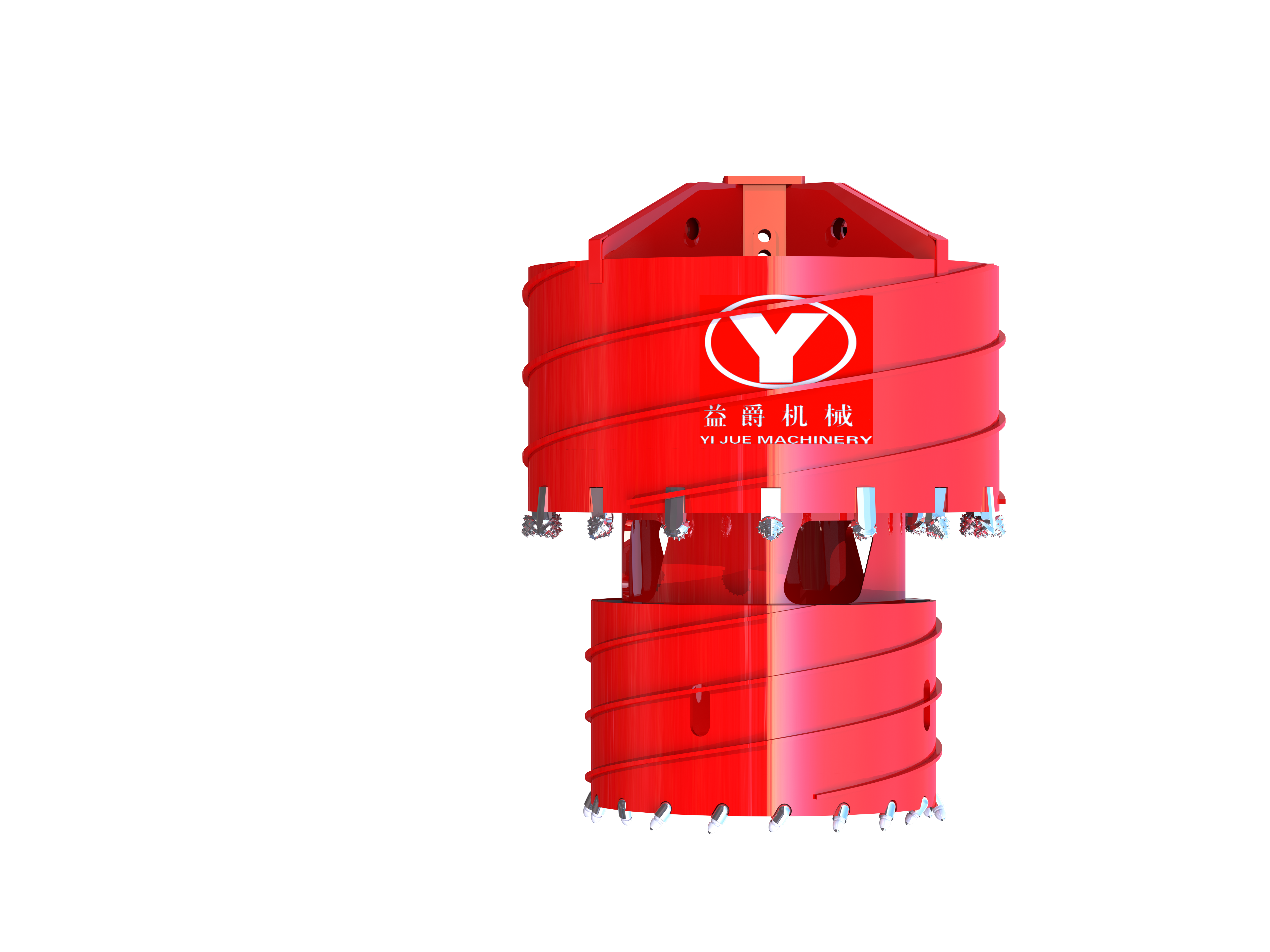
Ground Condition Suitability: Where Each Tool Performs Best
Rotary Drilling Auger Advantages in Soft, Cohesive, and Unconsolidated Soils
Rotary drilling augers work best in softer ground types like loose sands, silty soils, and sticky clays that don't resist much. The continuous flight design helps get rid of cuttings as the drill goes deeper, so there's no need to pull the tool out repeatedly, which really speeds things up. According to SPT tests, these auger rigs can drill through cohesive clay about 70% faster than traditional core barrel systems. That makes a big difference when time is money and getting samples isn't the top priority. Another plus is how simple they are to operate, which cuts down on problems with boreholes collapsing in sandy or gravelly soils. Still, workers need to keep an eye out for signs of heaving or cave-ins while drilling, just to be safe.
Core Barrel Superiority in Competent Rock, Fractured Formations, and Weathered Bedrock
Core barrels just can't be beat when dealing with solid rock formations, cracked ground areas, or weathered bedrock types where regular augers tend to wear out quickly, lose samples, or go off track entirely. The dual wall versions plus those with diamond tips get continuous samples that aren't messed up much, which matters a lot for figuring out what's going on underground. According to some recent research from USGS in 2023, triple tube core barrels pulled back between 97 to almost 100 percent of samples from broken granite while standard augers barely managed over 10%. That kind of sample quality makes all the difference when engineers need to know how fractures run through rock, calculate something called RQD (Rock Quality Designation), and map out exact layer boundaries. These details directly affect decisions about building foundations, assessing hillside stability risks, and meeting various regulations. Standard augers simply fail to keep holes straight or produce useful material once they dig deeper than a few feet into tough ground conditions.
Project Objective Alignment: Data Integrity vs Efficiency
When Stratigraphic Fidelity Is Critical: Geotechnical and Environmental Applications Requiring Undisturbed Core
When dealing with projects that require detailed stratigraphic analysis like foundation work, slope stability checks, or looking into environmental contamination issues, core barrels just can't be beat for sample quality. These tools keep the soil structure intact along with its natural moisture levels and those important fracture patterns that get destroyed when using augers. The mixing effect from auger extraction simply doesn't cut it when small changes in how soil behaves or where contaminants are located can completely change engineering choices. Most top environmental firms have long since switched to core sampling techniques because they need to accurately track how pollution spreads through the ground and understand groundwater movement in bedrock formations down to lab precision standards.
When Speed and Cost Control Dominate: Piling, Utility Installation, and Preliminary Site Reconnaissance
When speed matters and budgets need watching, rotary augers come into their own. These tools really make a difference during pile work, setting utility poles, or when doing initial site checks. The way they continuously remove soil speeds things up quite a bit actually around maybe 40 to 50 percent faster than traditional coring methods. This means fewer man hours spent on the job and shorter equipment rentals too. They work particularly well in loose soils and can even tackle shallow bedrock without much trouble. That's why contractors love them for projects with tight timelines such as laying out foundations for wind farms or preparing pipeline routes through tricky terrain. Before getting into full scale coring operations, many companies will run an auger first just to get those underground details without breaking the bank so badly.
Borehole and Sample Quality Trade-Offs Explained
When choosing between rotary augers and core barrels, engineers face the fundamental dilemma of drilling speed versus sample quality – something that ultimately affects how reliable their data will be and what kind of results the project delivers. Augers work best when time is money, creating nice stable holes fast in softer soils. But there's a catch: they mess up the layering of the ground and produce all sorts of mixed up fragments that just won't cut it for detailed geotech tests or environmental assessments. Core barrels solve this problem with their special tubing system that keeps soil and rock samples intact, which matters a lot for things like measuring shear strength, studying groundwater movement, or tracking contaminants through different layers. Of course, this comes at a cost. Coring takes way longer – sometimes twice as long in loose materials – and requires skilled operators who know how to handle delicate situations where cores might get lost in cracked formations. For projects needing lab quality data, these limitations are worth accepting. But if the goal is simply getting things installed quickly, like setting up pile foundations, most folks go with augers even though the samples aren't as pristine.
Operational Factors: Depth Limits, Rig Requirements, and Crew Expertise
Depth Performance: Augers for Shallow–Medium Depths (<30 m); Core Barrels for Deeper, Structurally Demanding Boreholes
Rotary augers work really well for those shallow to medium holes up to around 30 meters deep, particularly in loose soils where they can drill through pretty fast and cut down on how long projects take. Once we go past that depth though, core barrels start becoming a must have item. The reason? They're just sturdier and keep things stable in the harder rocks down there, stopping walls from caving in or fluids getting into samples which messes everything up. Looking at what the field shows us, most companies report over 90% core recovery rates in solid bedrock beneath 50 meters when they use triple tube setups. Augers tell another story though. Their effectiveness drops off quickly in broken ground or areas where the layers change so much from one spot to another.
Rig Compatibility and Skill Threshold: Simpler Auger Setup vs Precision Core Handling and Orientation Protocols
Most auger setups work pretty well with regular rotary rigs without needing much special knowledge. They cut down on setup costs somewhere around 15 to maybe 25 percent according to those 2023 efficiency numbers we've been seeing lately. Core barrels tell a different story though. These need rigs that can handle exact rotations, proper hydraulic feeds, and usually specialized drill rods as well. The skill level required is night and day between these methods. For augers, workers just need to know their soils and how to run the machinery. But core drilling? That's another ball game entirely. Technicians have to get really good at figuring out where things are oriented underground, tracking fractures, and carefully pulling out cores so they don't mess up the layer patterns. People who work with core barrels spend about 40% more time in training programs because messing up samples during important geotech projects can be super costly and nobody wants that happening.
FAQs
What ground conditions are suitable for rotary drilling augers?
Rotary drilling augers are best suited for softer ground types like loose sands, silty soils, and sticky clays due to their continuous flight design.
When should core barrels be used instead of rotary drilling augers?
Core barrels should be used for sampling in solid rock formations, cracked ground areas, or weathered bedrock where maintaining sample integrity is crucial for analysis.
What are the primary operational advantages of rotary drilling augers?
Rotary drilling augers offer speed and efficiency, especially in projects requiring quick execution, such as piling and utility installations.
How do core barrels and rotary drilling augers differ in terms of sample quality?
Core barrels provide superior sample quality, maintaining soil and rock integrity, essential for in-depth geotechnical analysis, unlike augers that may disrupt the sample's natural structure.