EN
EN

Why Borehole Deviation Threatens Structural Integrity in Large-Diameter Foundation Drilling
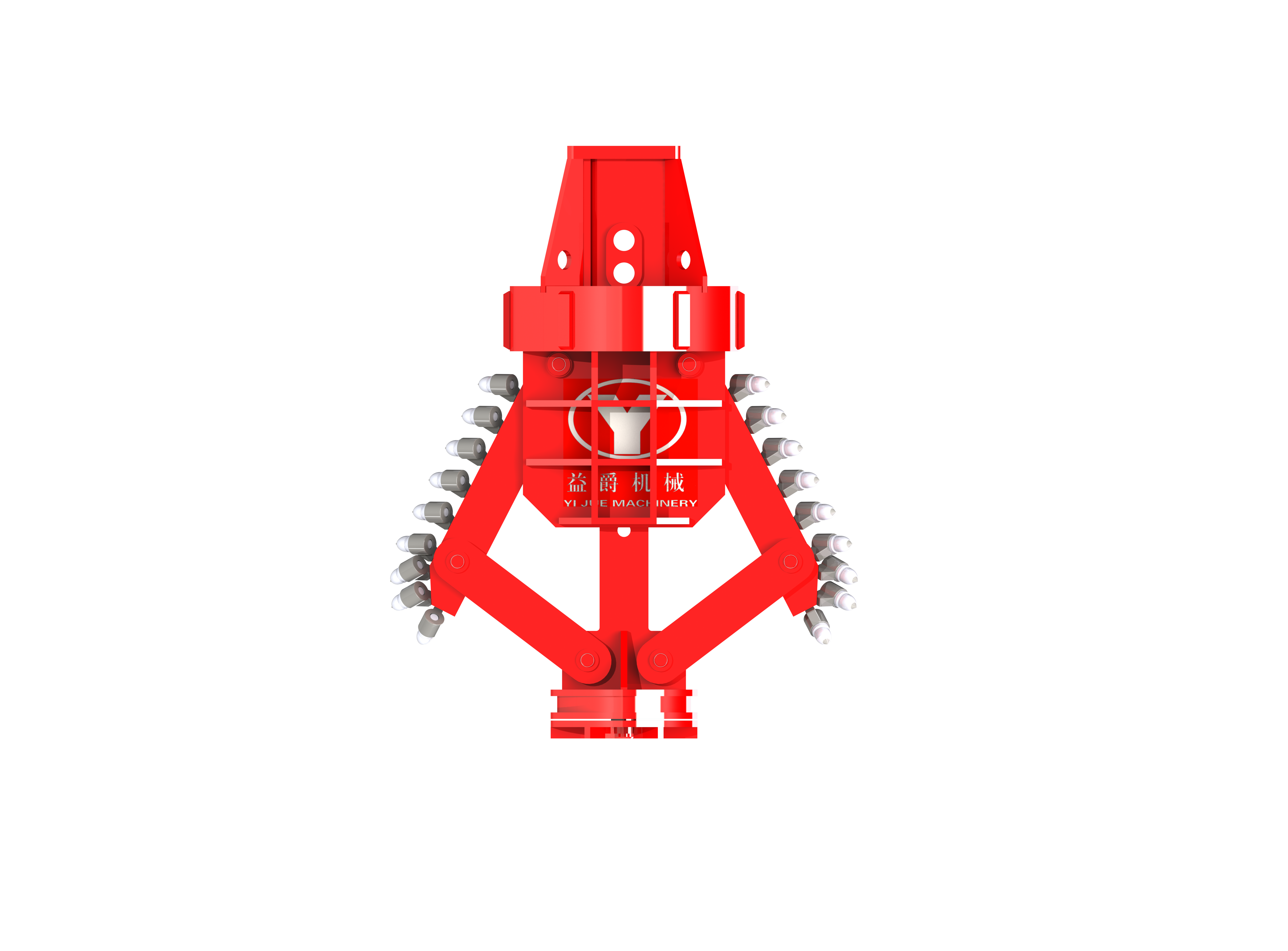
Geomechanical Drivers: Soil Stratification and Anisotropic Formation Response
When drilling large diameter foundations, boreholes often deviate because the ground isn't uniform throughout. Different layers of soil and rock create problems for straight drilling. Take situations where dense sand sits right on top of broken bedrock. This creates uneven pressure points that push the drill bit sideways instead of keeping it straight down. We see this all the time with laminated clay formations too. The clay is much weaker when squeezed horizontally compared to vertically, sometimes as much as 40% weaker actually. According to industry reports, about seven out of ten unexpected deviations greater than 1.5 degrees happen in holes larger than 2.5 meters across. What starts as a small angle change early on can turn into serious structural issues if nobody catches it and makes corrections along the way.
Load Path Disruption: Pile Eccentricity, Differential Settlement, and Lateral Force Redistribution
When boreholes deviate from their intended path, they mess up how loads get transferred through the structure. Pile eccentricity basically means when the pile isn't straight enough relative to its length (think about angles over 2% of total pile length). This misalignment pushes all the weight to one side, creating bending stresses that can actually break concrete since it doesn't handle tension well. Studies using computer models indicate that even a small 5 cm deviation in a 3 meter diameter pile leads to around 18-25% less load carrying ability. What happens next? Foundations start settling unevenly next to each other, and those lateral forces redistribute themselves unpredictably during earthquakes. For tall buildings especially, these stress points become hotspots for cracks to form at important structural connections over time, which gradually weakens everything and reduces safety buffers.
Real-Time Monitoring and Active Correction for Large-Diameter Foundation Drilling
Inclinometer Integration and Adaptive Drilling Parameter Adjustment
Putting electronic inclinometers right into the drill string gives operators real time angle readings down to better than 0.1 degrees, so they can make quick precise changes to how the drill works. When the ground gets tricky with different layers, drillers adjust both the weight pushing on the bit and how fast it spins to keep things from drifting sideways, especially important for big holes over 2 meters wide. The system cuts back on hydraulic pressure automatically when running into softer ground to prevent the bit from wandering off course. At the same time, it cranks up revolutions per minute in harder rock to keep cutting effectively. All these adjustments together usually keep overall hole deviation under half a percent of the total depth. According to some field tests published last year in the Geotechnical Journal, this approach reduces the need for fixing mistakes by about 32% compared with older techniques. Another smart feature adjusts drilling mud thickness on the fly to keep unstable soil walls from collapsing. This matters a lot when moving through areas that switch between sand and clay layers, something traditional methods often struggle with completely.
Dual-Sensor Stabilization Systems: Field Validation in High-Risk Urban Megaprojects
When we combine inclinometers with gyroscopic sensors, we get a backup system that checks itself constantly, which means there's no single point where things could fail during critical urban drilling operations. This setup works really well in areas prone to earthquakes, giving us around 99.2% accuracy vertically even at depths over 35 meters deep. The system has hydraulic stabilizers that kick in just 200 milliseconds after sensing strange vibrations, so they can fix course issues before they become big problems. We've seen this tech save construction companies in Shanghai roughly $2.1 million on fixing structural damage after buildings were already constructed, plus it slashed delays caused by deviations by almost half compared to old manual methods. With real time 3D maps of the boreholes, operators can spot obstacles ahead of time and keep clearances below 15 centimeters while working near subway tunnels that are still running. Plus, all the data collected continuously creates solid records for inspections, making sure everyone stays accountable without slowing down actual work progress.
Drill String and Bit Engineering for Deviation Control in Large-Diameter Foundation Drilling
For large-diameter foundation drilling exceeding 2.5 meters, mitigating borehole deviation demands purpose-built drill string and bit design—not incremental adaptations of standard equipment.
Stiffness-Weight Optimization and Bit Geometry Selection for 2.5 m Diameter Bores
The drill string assembly needs to find that sweet spot between being stiff enough to handle torque but not so heavy it causes problems downhole. When there's too much weight, we see buckling issues in softer ground conditions. On the flip side, if the assembly isn't rigid enough, it bends when going through layered rock or fractured zones. The best setups typically involve thick walled steel pipes made from high yield materials, along with stabilizers placed at just the right intervals. These help cut down on those pesky off center forces by somewhere around 40 percent according to field tests. Bit design plays a huge role in keeping things going straight too. Some drillers prefer asymmetric cutter arrangements because they create deliberate steering forces. Others go for wider gauge designs since these spread out the pressure across the formation better. When working with boreholes larger than 2.5 meters in diameter, many operators switch to conical shaped bits or combinations of PDC and roller bits. These provide much better stability in coarse gravel environments where uneven loads would normally make the drill path wander all over the place.
Compliance, QA/QC, and Tolerance Management in Large-Diameter Foundation Drilling Projects
GB 50007–2011 Deviation Thresholds vs. Real-World Urban Site Constraints
The GB 50007-2011 standard sets a 1% maximum deviation limit for boreholes to protect building structures, but getting cities to follow this rule strictly is practically impossible. Places like Shanghai face constant headaches from packed underground infrastructure, hidden utility lines running everywhere, and complicated soil layers that just don't play nice with straight drilling paths. Some old neighborhoods sensitive to vibrations actually need permission for up to 2.5% deviation, which goes way beyond what the codes allow. Quality control teams handle this mess by installing real time monitoring systems on drill rigs. These gadgets track alignment constantly and automatically tweak pressure and rotation settings whenever readings get close to 0.8% off course, creating a kind of built-in safety margin. After completion, engineers run LiDAR scans to create detailed records showing exactly how much each hole deviated. This gives regulators something tangible to review while also explaining why certain sites had to bend the rules because of things like being right next to subway lines or dealing with weird water table issues. In practice, this mix of technology and flexibility keeps buildings safe even when city conditions force construction crews to work around tight spaces.
FAQ
What causes borehole deviation in large-diameter foundation drilling?
Borehole deviation is primarily caused by uneven soil stratification and anisotropic formation responses which push the drill bit sideways instead of going straight down.
How does borehole deviation affect structural integrity?
Deviation can lead to pile eccentricity, differential settlement, and lateral force redistribution which reduces load carrying ability and weakens structural connections.
What technologies help correct borehole deviation?
Technologies such as electronic inclinometers, gyroscopic sensors, and hydraulic stabilizers help in monitoring and correcting deviations in real-time.
How do drill string and bit design help in controlling deviation?
Optimizing drill string stiffness-weight and selecting proper bit geometry can significantly reduce deviation by handling torque properly and steering deliberately.
Table of Contents
- Why Borehole Deviation Threatens Structural Integrity in Large-Diameter Foundation Drilling
- Real-Time Monitoring and Active Correction for Large-Diameter Foundation Drilling
- Drill String and Bit Engineering for Deviation Control in Large-Diameter Foundation Drilling
- Compliance, QA/QC, and Tolerance Management in Large-Diameter Foundation Drilling Projects
- FAQ