EN
EN

High Water Table Effects on Borehole Stability and Optimal Drilling Tool Selection
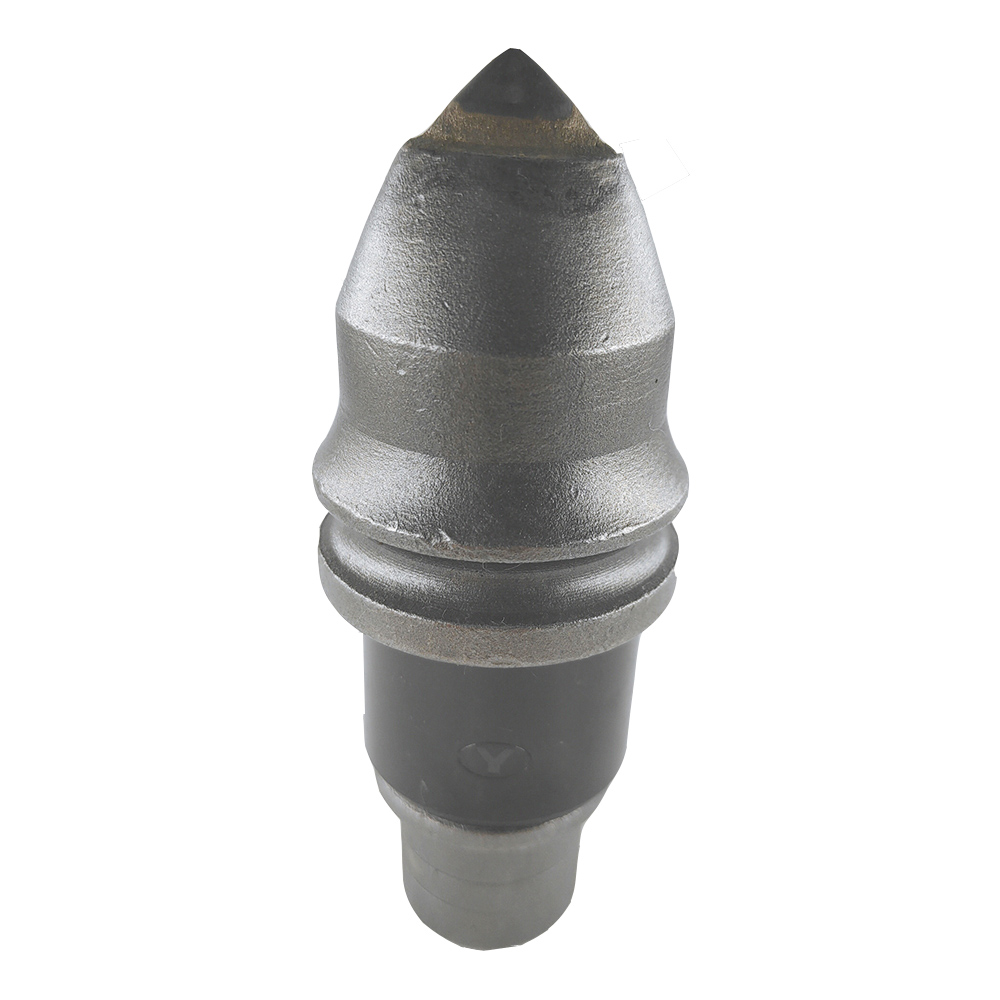
Hydrostatic pressure-induced collapse in unconsolidated sands
When saturated sand layers get drilled through, they tend to fall apart because there's nothing holding them together sideways anymore. What happens next? Groundwater pushes against these weakened sands with enough force to break their internal bonds, causing sudden collapses that trap expensive machinery underground, mess up the drilling path, and require expensive fixes later on. Coastal areas are especially problematic since water pressure down there can be almost double what we normally see at sea level. Without proper stabilization techniques, failure rates in these regions often jump above 30%, which means a lot of wasted time and money for contractors. That's why many professionals now rely on casing-while-drilling methods that keep tunnel walls stable as work progresses. Some also inject special polymers into the ground to hold sand particles together temporarily until permanent casing goes in place. Modern rigs come equipped with pressure monitoring systems too, giving operators early warnings about potential problems so they can tweak drilling fluids or take other corrective actions before things go wrong.
Clay swelling and filter cake failure under elevated pore pressure
When water gets into sensitive clay formations, these materials can swell by around 20% in volume. This expansion puts outward pressure against the sides of drilled holes. At the same time, the filter cakes made from drilling fluids which are supposed to keep everything sealed tend to peel away when the internal pressure exceeds about half a megapascal. These two problems together cause drilling fluids to leak into surrounding rock and lead to unstable hole walls. Research published last year showed that regular bentonite sealing materials break down nearly 70% quicker when there's lots of groundwater nearby. The solution seems to lie in low solids polymer based fluids. These special fluids hold their protective layer better because they create chemical bonds that reduce how much liquid can pass through. This helps prevent the hole from getting smaller over time and keeps drilling equipment operating safely even in tricky geological situations like alluvial basins where expansion is common.
Drilling Tool Selection Strategies by Soil Type and Groundwater Condition
Drilling tool configuration for saturated sands: stabilizers, casing-while-drilling, and real-time torque monitoring
When dealing with saturated sands, operators need specialized tools configured properly to prevent collapses throughout the entire operation. Stabilizing equipment helps keep pressure balanced as the drill moves through the ground, which cuts down on deviations and reduces stress on the borehole walls. The casing while drilling technique removes the risk period entirely since most collapses happen when the hole is left exposed. Studies show around three quarters of all collapses occur during this vulnerable phase. By putting in structural support at the same time as digging progresses, we eliminate that danger zone completely. Monitoring torque levels in real time allows crews to spot potential sand influx issues before they become major problems. If readings jump over 15 percent from normal levels, adjustments must be made quickly either by changing the mud weight or slowing down the drilling speed. Field experience shows that implementing these combined strategies can cut sand related downtime by roughly 40 percent when compared against traditional approaches used in the industry today.
Drilling tool adaptations for clay-rich strata: low-solids bentonite compatibility and polymer-enhanced cuttings removal
When dealing with clay formations, proper hydration management becomes essential beyond simple fluid delivery considerations. Using low solids bentonite fluids helps maintain necessary viscosity levels without adding particulate matter that actually speeds up the swelling process. This matters quite a bit when pore pressure gets above around 2.5 psi per foot mark. Adding polymers to the mix makes a big difference too. Field tests show these polymer additives boost cutting removal efficiency by roughly 60 percent in really sticky drilling situations because they create electrostatic forces that keep cuttings from sticking together and causing bit balling problems. Some drillers have also started using dual flight augers with wider flute spacing between them, which significantly cuts down on adhesion issues commonly seen in plastic clays. Putting all these techniques together has been shown to reduce tool jamming incidents related to clay by about half, and still allows for maintaining good advance rates during operations.
Air vs. Mud Rotary Drilling: Evaluating Drilling Tool Performance in Waterlogged Soils
Air rotary limitations: formation fluid influx, cuttings re-entry, and blowout risk
Air rotary drilling just doesn't work well in soils that are fully saturated when the groundwater pressure is higher than what the air column can handle. What happens then? The formation fluids start flowing into the system, which basically waters down the effectiveness of the compressed air and makes it harder to move those cuttings out. And here's another problem: once the air speed gets too low to keep things moving (which often occurs when there's lots of water around), those cuttings fall back into the hole. This increases the torque needed to drill and raises the chances of getting tools stuck down there. The biggest concern comes from pressure differences in tight aquifers that can lead to blowouts - sudden bursts of fluid that put workers and machinery at serious risk. According to actual field data, about three quarters of all sites with high water tables simply aren't compatible with air drilling systems.
Mud rotary advantages: hydrostatic control, cuttings conveyance, and drilling tool cooling/lubrication
Waterlogged drilling sites really benefit from mud rotary systems because they use heavy fluids to counteract underground pressure. When the thick drilling mud is pumped downhole, it creates a protective layer against the borehole walls while carrying away rock fragments to designated collection areas at ground level. Another important function of circulating mud is keeping drill bits cool and properly lubricated throughout long operations. This helps cut down on wear and tear significantly when compared to dry drilling techniques, somewhere around half as much damage occurs actually. The temperature control aspect means drill bits last longer and maintain their cutting efficiency, which makes all the difference when working on projects where timing is absolutely critical.
Integrating Geotechnical Data to Calibrate Drilling Tool Parameters in Real Time
When geotechnical data gets integrated in real time, it makes a big difference for drilling operations in areas with high water tables because crews can make quick decisions based on actual conditions instead of guesswork. Monitoring things like pore pressure changes, variations in soil density, and how rock layers shift lets operators tweak important factors such as how much weight is applied to the drill bit, rotation speeds, and fluid flow through the system. Field tests from last year showed this kind of flexible approach cuts down on borehole collapses by about 35% or so, plus makes drilling generally more efficient. Smart software now processes all these sensor readings to spot potential problems before they happen, making automatic tweaks to prevent failures. What we end up with is a system that keeps running smoothly longer, tools last better, and there's less need for expensive fixes in wet ground where old fashioned planning methods just don't cut it anymore.
FAQ Section
What challenges does drilling in areas with a high water table present?
Drilling in areas with a high water table can lead to borehole collapse due to hydrostatic pressure and swelling of clay materials. These challenges require specialized tools and techniques to maintain stability.
How do casing-while-drilling methods help in unstable sandy regions?
Casing-while-drilling methods provide structural support as the drilling progresses, reducing the risk of sudden collapses by preventing exposure of the borehole walls to groundwater pressure.
What advantages do mud rotary drills have in waterlogged soils compared to air rotary drills?
Mud rotary drills offer superior hydrostatic control, better cuttings removal, and effective cooling/lubrication, making them more suitable for waterlogged conditions than air rotary systems which are inefficient and risk blowouts.
How can real-time geotechnical data integration improve drilling operations?
Real-time geotechnical data allows for dynamic adjustments to drilling parameters, reducing the risk of borehole collapses and improving overall drilling efficiency.
Table of Contents
- High Water Table Effects on Borehole Stability and Optimal Drilling Tool Selection
- Drilling Tool Selection Strategies by Soil Type and Groundwater Condition
- Air vs. Mud Rotary Drilling: Evaluating Drilling Tool Performance in Waterlogged Soils
- Integrating Geotechnical Data to Calibrate Drilling Tool Parameters in Real Time
-
FAQ Section
- What challenges does drilling in areas with a high water table present?
- How do casing-while-drilling methods help in unstable sandy regions?
- What advantages do mud rotary drills have in waterlogged soils compared to air rotary drills?
- How can real-time geotechnical data integration improve drilling operations?