EN
EN

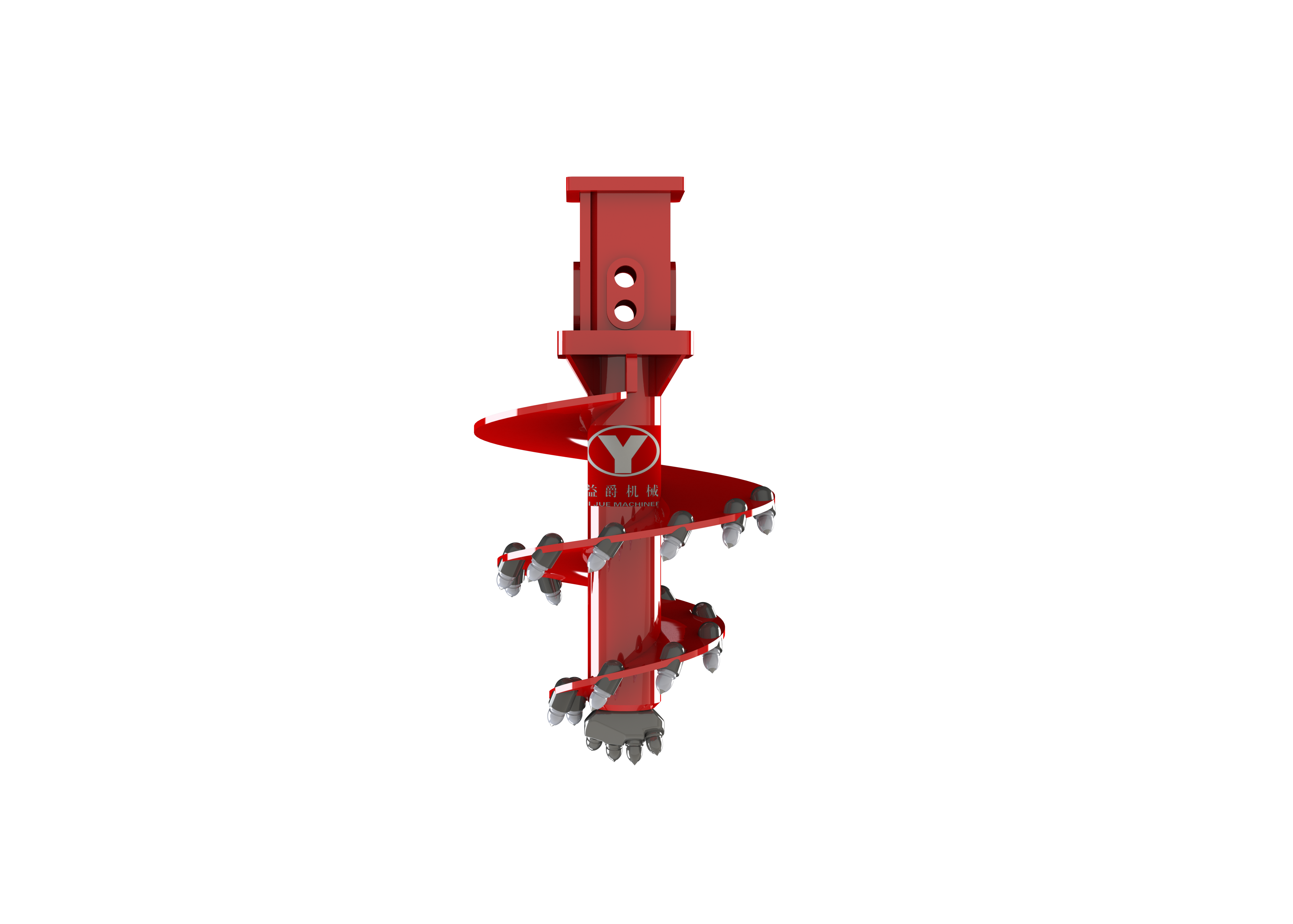
Understanding Torque Fundamentals in Drilling Tool Operations
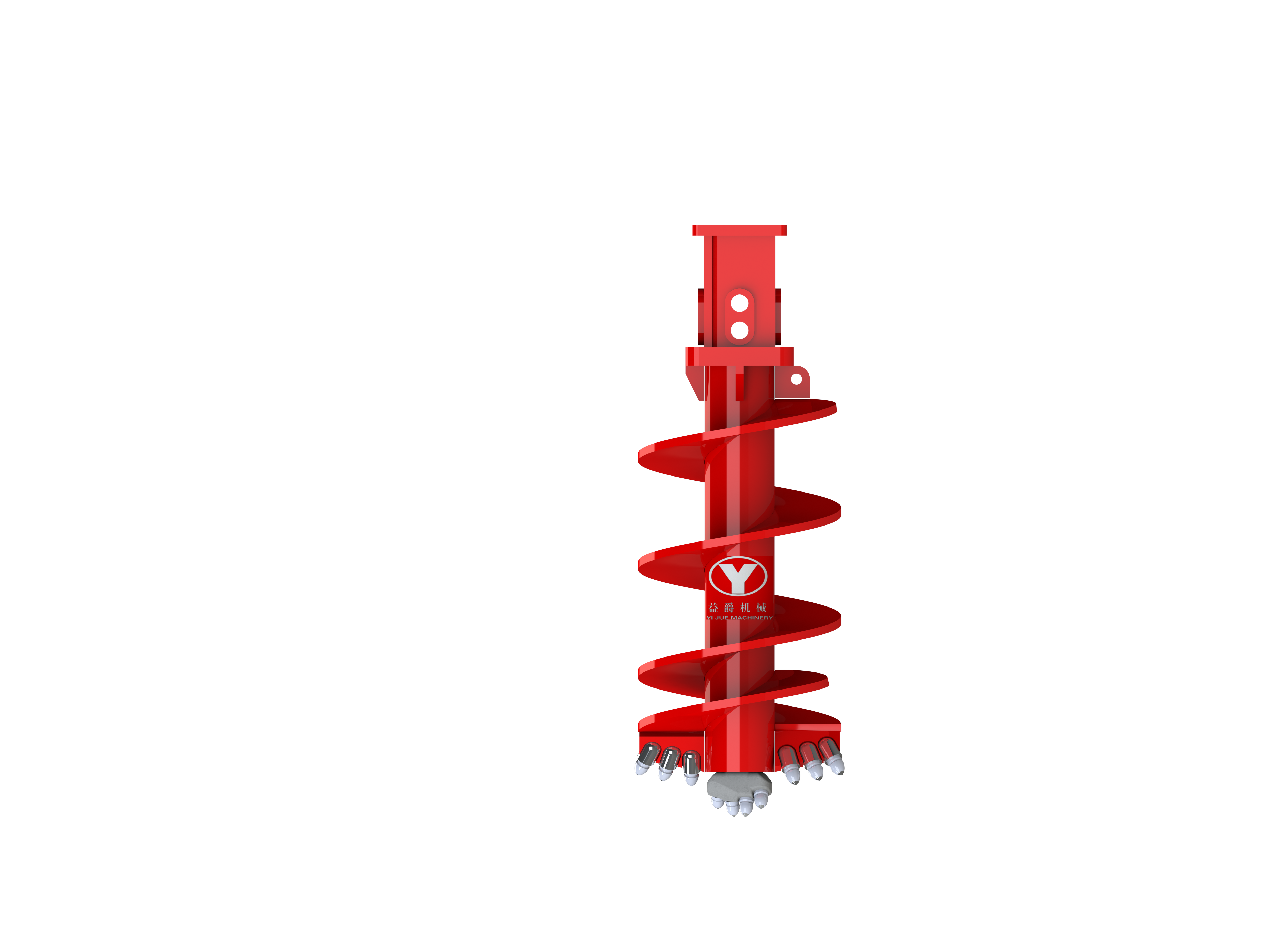
Why Torque Is the Critical Performance Parameter for Drilling Tools
Torque basically refers to the twisting power needed for drilling tools to push through materials and get decent penetration. When there's not enough torque, the equipment either gets stuck or starts bending sideways, especially when dealing with tough stuff like granite. Granite requires anywhere from three to five times more effort compared to softer rocks like sandstone. Too much torque on the other hand leads to serious problems downhole. Drill strings break, motors seize up and wreck hydraulic components, and bits wander off course making holes inaccurate. The numbers back this up too. According to field reports, around two thirds of all unexpected stoppages in operations are linked to torque issues. Getting the right balance between torque levels and what the formation demands makes a huge difference. It helps remove material efficiently without wearing out gear so fast. This becomes absolutely critical during hard rock drilling since any shortfall in applied force results in immediate drops in productivity.
The Physics Link: Torque, Power, and Rotational Speed in Real-World Drilling
Higher speeds without proportional torque increase premature bit wear; excessive torque at low speeds wastes energy. For example, granite drilling at 150 RPM requires ~2,500 Nm for effective penetration, whereas clay achieves optimal results at 400 RPM with just 800 Nm.
Matching Drilling Tool Torque Capacity to Formation Hardness
Soil vs. Rock: Torque Thresholds for Clay, Sandstone, and Granite
Formation hardness sets minimum torque thresholds. Soft clay requires only 20–40 N·m; sandstone needs 80–120 N·m to overcome medium compressive strength; and granite demands ≥150 N·m to avoid stalling or rapid bit degradation.
Avoiding Failure Modes: Bit Deflection, Motor Stall, and Over-Torque Damage
When torque doesn't match what's needed for the job, we see three main ways equipment fails. First off, bit deflection happens when someone tries using a low torque tool on tough rock formations. The cutting edges just bend right out of shape and stay bent forever. Then there's motor stalls, which occur whenever the rock gets too stubborn for what the tool can handle. Take sandstone for instance, if the drill goes past around 120 Newton meters, those motor windings start getting really hot and eventually give out. And let's not forget about gear tooth fractures from overdoing it in softer materials like clay. According to research from Ponemon Institute back in 2023, these kinds of gear problems account for nearly nine out of ten gearbox failures across drilling operations. Proper matching between geological surveys and actual tool specs isn't just good practice anymore, it's becoming absolutely necessary to keep operations running smoothly without unexpected stoppages costing money every day.
Material-Specific Torque Demands and Drilling Tool Implications
Wood, Metal, and Concrete: Comparative Torque Ranges and Tool Compatibility
The fibrous nature of wood allows for high RPM operations while needing very little torque. When it comes to concrete though, things get much tougher on equipment. Its aggregate makeup requires around ten times more torque, somewhere between 200 to 500 Newton meters typically. And if there's rebar embedded inside, drill bits often experience sudden torque spikes exceeding 600 Nm which makes anti-kickback protection absolutely necessary. Stainless steel falls into the higher end of metal drilling requirements at about 120-150 Nm range. Push too hard here and the material starts to work harden, making further progress difficult. Heat control becomes really important when working with metals. Most tool failures we see in this area happen because tools overheat after prolonged periods of high torque application. Around nine out of ten breakdowns actually trace back to excessive heat buildup.
Ensuring Reliable Torque Transfer in Professional Drilling Systems
Interface Integrity: Splines, Chucks, and Adapters as Torque Transmission Bottlenecks
Getting reliable torque transfer really comes down to how well the interfaces hold up. Splines, chucks, and adapters tend to be where most problems start showing up as either energy losses or outright failures. When splines aren't aligned properly, they cause vibrations that lead to metal fatigue over time. Chuck jaws that have seen better days will simply slip when pressure builds up during operation. Adapter threads that weren't machined correctly can actually shear off completely when facing tough resistance, which might bring the whole motor to a grinding halt. The International Association of Drilling Contractors reported back in 2022 that more than a third of early drilling tool failures come from these interface issues, particularly when working with hard materials like granite at forces exceeding 7,500 Newton meters. Smart professionals combat these risks by using hardened alloys for critical connections, ensuring tolerances stay within tight limits (around 0.02 mm or better), and sticking to regular inspection schedules. All these steps help keep energy losses low, maintain drilling performance, and prevent small problems from turning into major component failures further down the line.
Frequently Asked Questions (FAQ)
What is torque in drilling operations?
Torque in drilling operations is the twisting force required for drilling tools to penetrate materials effectively without getting stuck or damaged.
Why is torque important in drilling?
Proper torque levels ensure efficient material removal, minimize equipment wear, and prevent operational stoppages due to equipment failure.
How does material hardness affect torque requirements?
Harder materials like granite require higher torque levels compared to softer materials like clay or wood to ensure effective penetration and avoid tool failure.
What are common torque-related failures?
Common failures include bit deflection, motor stalls, and gear tooth fractures, typically resulting from mismatched torque and material toughness.
How can drilling tool failures be prevented?
Properly aligning torque settings with material demands, using suitable tool specs, and maintaining interface integrity can prevent many common failures.