EN
EN

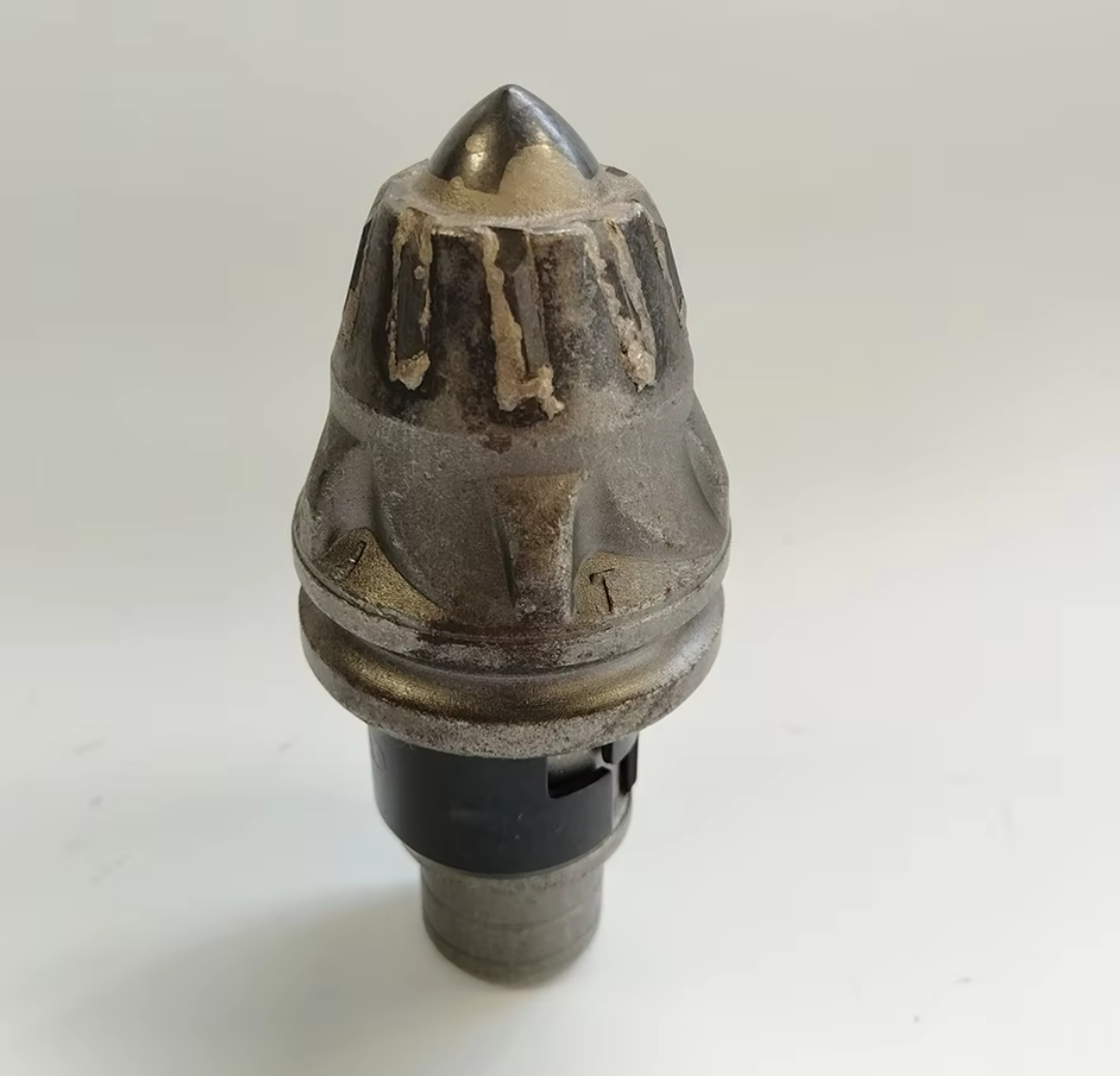
Selecting the Right Drill Bit Type by Formation Category
Soft to Medium Rock (UCS < 80 MPa): When Milled Tooth and Spade Bits Deliver Optimal Penetration and Cost Efficiency
For the drill bit operations in softer ground types like clay rich shales, chalk deposits, and loose limestone formations with unconfined compressive strength below 80 MPa, milled tooth and spade bits tend to be the go to choice. The distinctive chisel shaped cutting edges create strong shearing action while requiring less rotational force compared to other designs. Field tests indicate these bits can drill through similar rock layers around 40 percent quicker than traditional carbide tipped versions. And the financial benefits are substantial too. According to recent studies published in the Drilling Efficiency Journal last year, operators report cutting costs per meter drilled by approximately 30% when working primarily in clay based formations. This comes from both reduced power demands during operation and needing to replace worn bits less frequently. Plus, their straightforward design makes them particularly reliable for long reach wells and directional drilling projects where having backup components isn't always feasible.
Hard to Very Hard Rock (UCS 120 MPa): Why TCI and Conical Carbide Drill Bits Outperform PDC in High-Compressive Environments
When drilling through those really tough rocks like granite, gneiss, and big chunks of quartzite, tungsten carbide inserts (TCIs) and conical carbide bits just work better than those polycrystalline diamond compact (PDC) systems most places use. The thing is, PDC cutters basically scrape along and wear down super fast when they hit silica-rich materials. But TCI bits actually break up the rock using controlled compression forces, applying point loads somewhere around 200 kN per square centimeter. Field tests show these bits keep about 85% of their original cutting power even after running for 120 hours straight in hard basalt formations. That's roughly twice as long as standard PDC bits would last under similar conditions. Another advantage comes from how the rolling cones on these tools handle vibrations in broken rock sections. This design cuts down on hole wandering problems by about half compared to fixed cutter systems according to recent findings published in Geotechnical Drilling Review last year.
Understanding Formation Properties: Hardness, Strength, and Abrasiveness
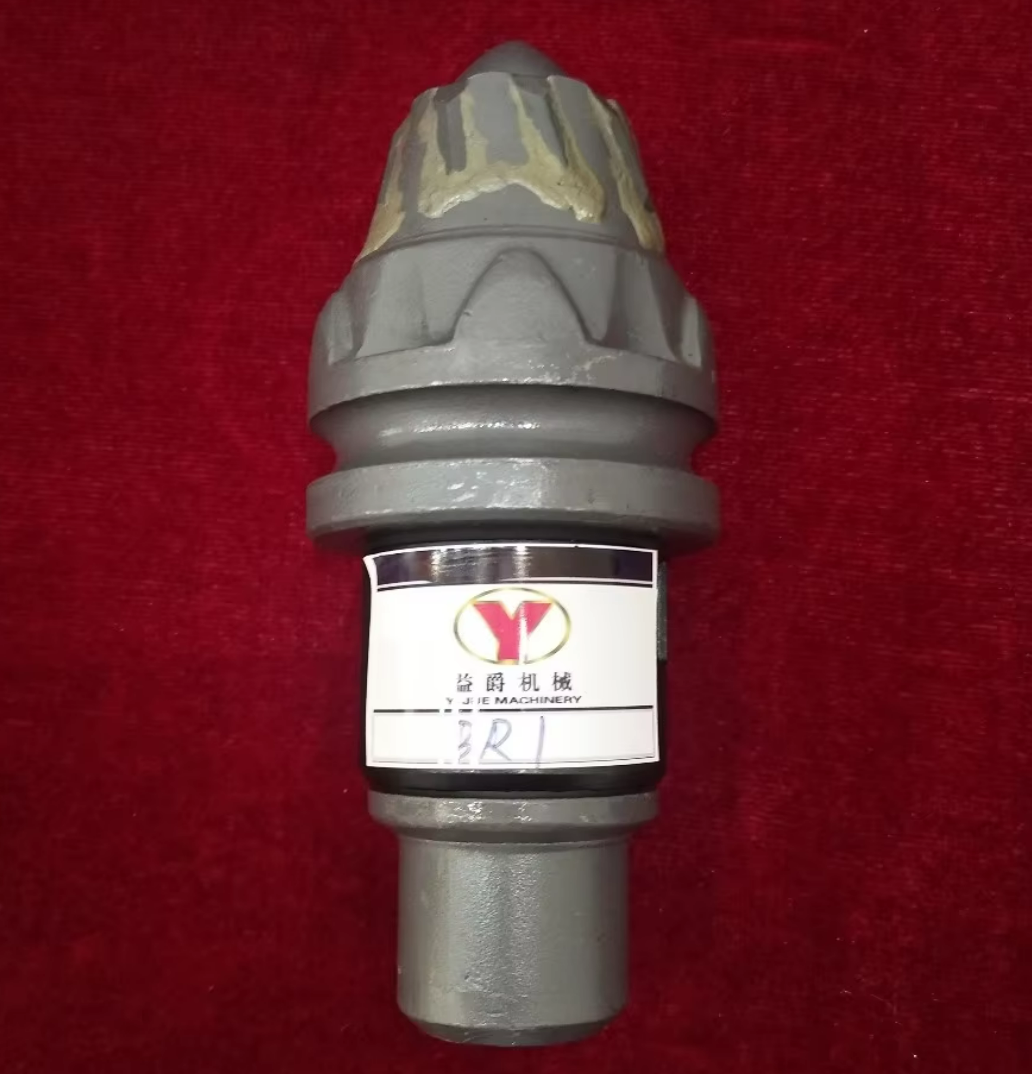
Silica Content and Abrasion Index: Quantifying Wear Risk in Sandstone, Basalt, and Quartzite
When it comes to abrasive wear, silica content plays the biggest role by far. Once we get past about 60% SiO2, the risk of abrasion starts climbing at an exponential rate that can really catch engineers off guard. The industry has developed something called the CERCHAR Abrasivity Index (or CAI for short) as a way to measure this risk on site. For instance, rock types with high silica levels such as sandstone typically fall between CAI 3.0 to 4.0, while quartzite sits even higher at around 4.5 to 5.5. These materials chew through cutters so fast that special carbide placement techniques become absolutely necessary. On the flip side, low-silica basalt contains only 10 to 25% SiO2 and scores lower on the CAI scale (about 1.0 to 2.0). Although not as abrasive as other rocks, basalt still poses challenges because of its tight, interlocking mineral structure which requires different handling approaches during drilling operations.
| Formation | Avg. Silica % | Typical CAI | Bit Life (hrs) |
|---|---|---|---|
| Sandstone | 70–90% | 3.0–4.0 | 15–25 |
| Quartzite | ≥95% | 4.5–5.5 | 8–12 |
| Basalt | 10–25% | 1.0–2.0 | 50–70 |
In high-abrasion strata, hybrid bit designs featuring asymmetric cutter layouts distribute wear more evenly across the cutting structure—extending service life by up to 200% compared to conventional configurations (Mining Tech Review 2022).
Optimizing Drill Bit Geometry and Cutting Structure for Stability and Performance
Fractured, Layered, and Homogeneous Formations: Matching Cone, Cross, and Ball Tooth Configurations to Rock Structure
The stability of drill bits really depends on how well the tooth shape matches what kind of rock we're drilling through, not just how strong the teeth are. When dealing with rocks full of cracks and fractures, those ball-shaped teeth spread out the impact forces around the bit, which helps cut down on vibrations and keeps teeth from breaking off too soon under sudden shocks. Layered formations like when shale sits right next to sandstone need cross-cut teeth instead. These teeth slice cleanly across the layers, making things run smoother since they reduce torque changes by about thirty percent and give better control over where the hole goes. On the flip side, solid hard rock that measures between eighty and one hundred twenty megapascals for unconfined compressive strength works best with conical shaped teeth. Their pointy design focuses pressure directly into the rock mass itself, letting the bit break through efficiently while avoiding problems like too much rock debris buildup or unwanted bouncing of the bit during operation.
Carbide Placement Strategy: Concentrated vs. Distributed Tungsten Carbide for Extended Drill Bit Life in Abrasive Ground
How carbides are placed really matters when it comes to dealing with different types of wear and how weight gets spread across tools. When working through tough materials like granite where compression forces are intense, putting carbide inserts right at the front edge helps them handle those extreme pressure points better than spreading them out. This keeps the cutting edges sharp for longer periods while maintaining good rate of penetration. For rocks rich in silica content such as quartzitic sandstone, we see better results from carbide arrangements where tiny particles get mixed throughout the entire tooth instead of just being clustered together. These evenly distributed carbides form surfaces that wear down slowly over time rather than breaking all at once. Real world testing shows these methods can actually make drill bits last about 15 to maybe even 20 percent longer in abrasive rock layers because they stop the kind of erosion that typically happens near the base of cutters on improperly designed bits. What this means practically is operators get consistent drilling performance combined with much longer tool life during extended operations in deep holes.
FAQ Section
What is the CERCHAR Abrasivity Index (CAI)?
The CERCHAR Abrasivity Index (CAI) is a measure used in the industry to quantify the risk of abrasion, especially in rock formations with high silica content. It helps determine how abrasive a particular rock type may be, influencing the choice of drilling equipment and techniques.
Why is silica content significant in drilling?
Silica content significantly impacts the abrasiveness of rock formations. High levels of silica can exponentially increase wear on drill bits, necessitating specific design and material considerations to mitigate abrasion and prolong bit life.
How does drill bit geometry influence performance?
Drill bit geometry, including tooth shape, plays a vital role in matching the drill bit to the rock structure. Proper tooth configurations can reduce vibrations, optimize pressure distribution, and improve the stability and efficiency of drilling operations.