EN
EN
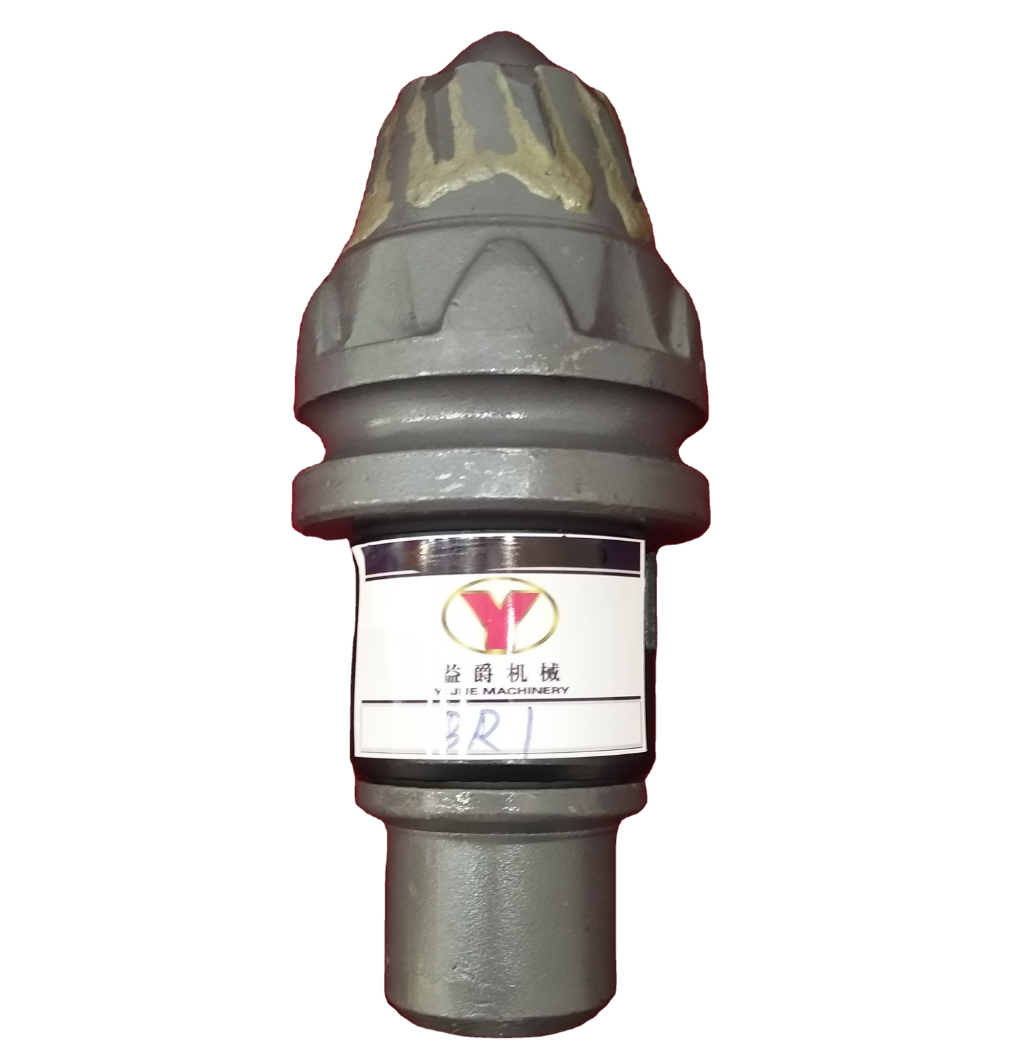
Drill Bit Geometry Factors That Dictate Torque Demand
Empirical torque–diameter–soil correlations for drill bit selection (ASTM D1557 & ISO 22476-1)
Standardized soil classification systems enable reliable torque forecasting. ASTM D1557 Modified Proctor testing and ISO 22476-1 field protocols provide empirically grounded correlations between drill bit diameter, soil type, and torque demand:
| Soil Type | Torque Increase per 10mm Diameter | Standard Reference |
|---|---|---|
| Sandy Gravel | 18–22 Nm | ISO 22476-1 Annex B |
| Silty Clay | 30–35 Nm | ASTM D1557 §9.3 |
| Cemented Alluvium | 42–48 Nm | ISO 22476-1 §6.2 |
These benchmarks help align drill bit torque requirements with auger motor capabilities—reducing premature wear by 19%, per industry reliability audits.
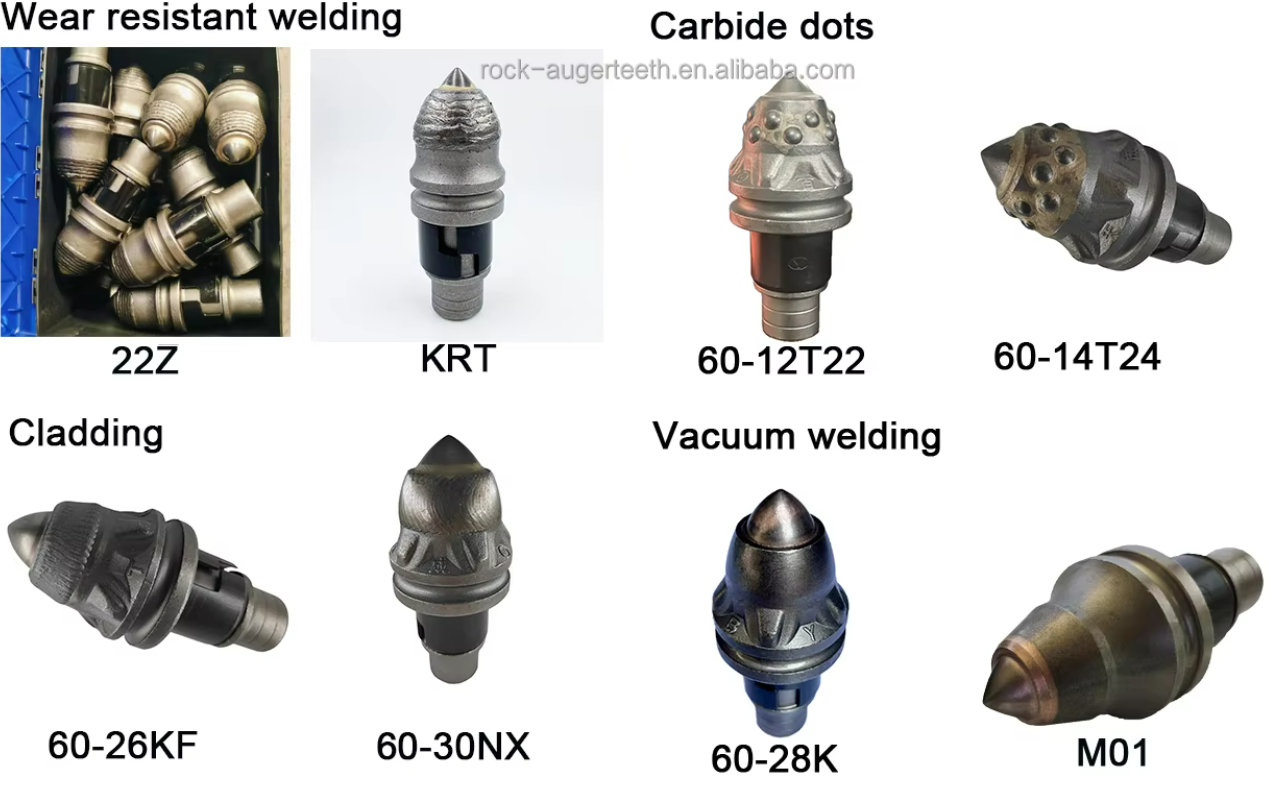
Validating and Matching Torque Between Auger Drills and Drill Bits
Achieving precise torque compatibility requires systematic validation beyond manufacturer specifications.
Step-by-step torque matching workflow: From spec sheet review to on-site load validation
- Cross-reference specifications: Compare the drill bit's calculated torque demand—based on diameter, soil classification, and tip geometry—against the auger drill's rated peak torque output.
- Lab validation: Simulate representative soil conditions using ASTM D1557 or ISO 22476-1 test protocols to measure torque spikes during controlled drilling cycles.
- Field load testing: Deploy torque sensors during real-world operations to capture dynamic responses across variable moisture, density, and stratification—revealing that unvalidated mismatches contribute to 23% of drill system failures.
Emerging role of smart torque-sensing drives in enabling real-time drill bit compatibility feedback
Modern auger drives equipped with embedded torque sensors detect anomalies exceeding calibrated thresholds and alert operators before stalling occurs. By dynamically modulating rotational force in response to real-time bit feedback, this technology reduces stalling incidents by 31%.
FAQ
How can soil type affect torque demand?
Different soil types require varying amounts of torque. For instance, sandy gravel, silty clay, and cemented alluvium have distinct torque requirements as shown in the provided empirical data.
How does smart torque-sensing technology impact drilling processes?
Smart torque-sensing technology enables real-time feedback and modulation of rotational force, reducing stalling and ensuring better drill bit compatibility.
What factors dictate torque demand in drill bits?
Factors such as flute pitch, helix angle, and tip geometry play a critical role in determining the torque demand for drill bits.