EN
EN

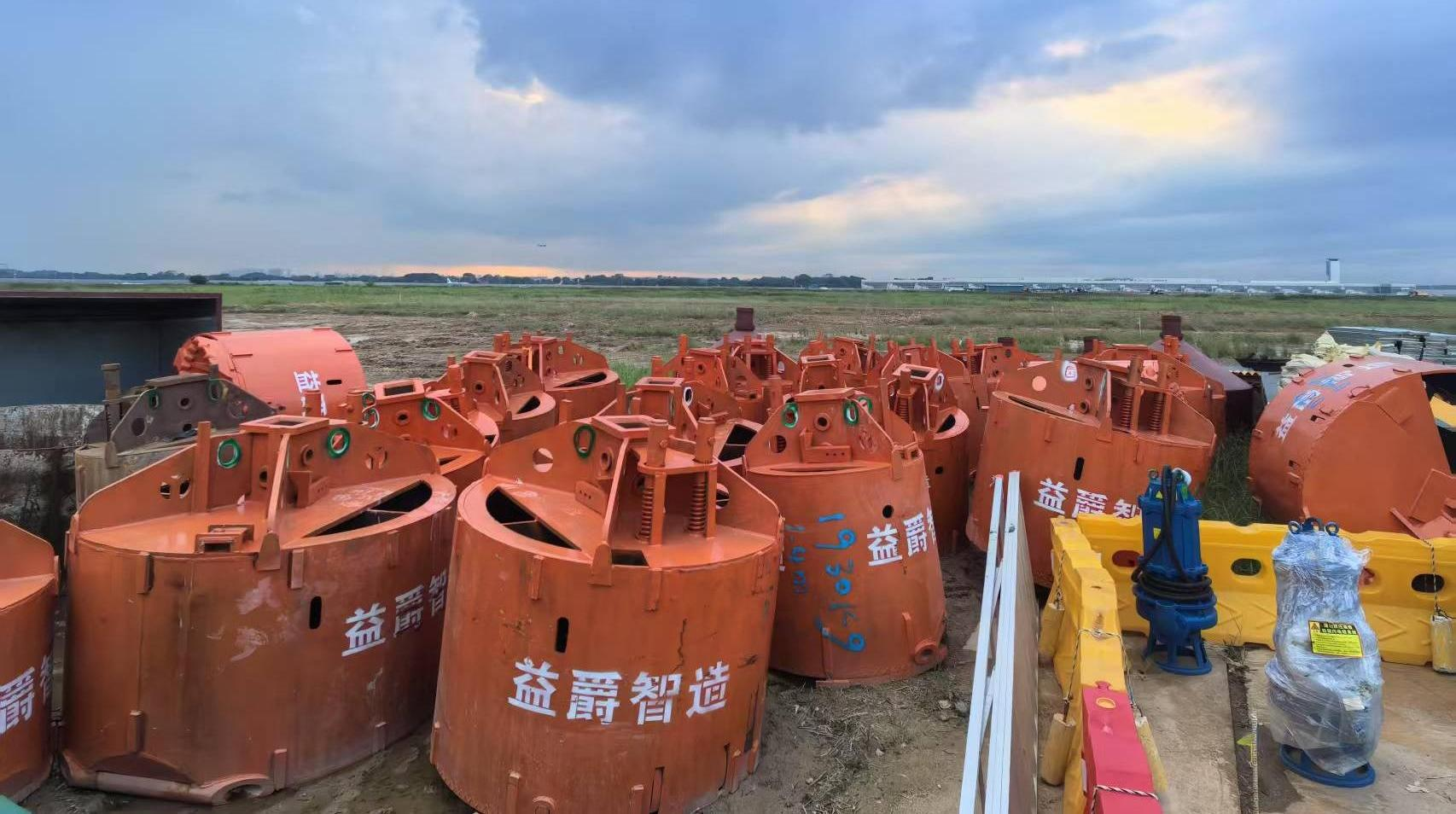
Core Functional Differences: Grabbing vs. Coring Mechanisms
How Rock Drilling Bucket Removes Material by Enveloping and Lifting
Rock drilling buckets work by grabbing material mechanically. The hardened teeth bite into cracked or weathered rock surfaces while the clamshell shape wraps around debris. Then hydraulic pressure comes in to seal everything tight. These buckets focus more on getting stuff out fast than preserving samples, which makes them great for things like digging foundation pits or doing caisson work where nobody really cares about analyzing the rock structure afterwards. The open design lets workers clear away loose dirt quickly, though they don't perform so well when dealing with solid bedrock that hasn't broken apart enough for proper capture. Most contractors find these tools invaluable for preliminary site preparation despite their limitations in certain geological conditions.
How Core Barrel Preserves Cylindrical Samples via Continuous Coring
Core barrels pull out long, round rock samples by spinning a hollow barrel fitted with industrial diamonds or tungsten carbide at the tip. When drilling progresses, there's an inner tube inside that keeps the core intact and steady, while special fluids circulate through the hole to wash away debris. The whole setup maintains the natural layers of rock, how fractures run, and where different rock types meet these features matter a lot when interpreting geological data later on. What really works well here are three main components: getting power efficiently from those drill rods down to the cutting bit, those shock absorbing rings near the base that stop cores from breaking apart, and proper measures against contamination once the sample comes up. Sure it takes longer compared to bucket methods, but what we get are much better quality samples needed for proper RQD assessments whether working with solid uniform rock or mixed formations underground.
Geological Suitability: Matching Tool to Rock Integrity and Structure
Rock Drilling Bucket Performance in Weathered, Fractured, or Stratified Formations
Rock drilling buckets tend to work really well in certain types of ground conditions. Think weathered areas, rocks that are broken up into pieces, or layered deposits where getting rid of waste quickly matters more than collecting complete samples. The way these buckets are built lets loose material drop right down into the chamber without getting stuck, which is a big plus when dealing with broken up rock layers. When working in soft ground that might cave in, the quick cycle time means workers spend less time exposed to danger, making operations safer overall. On the downside though, since they can't collect whole rock samples, these buckets aren't great choices for projects needing detailed geological analysis or understanding rock strength characteristics.
Core Barrel Advantages in Intact, Hard, or Heterogeneous Bedrock
Core barrels remain the go to option when dealing with solid rock formations or areas where the rock type changes a lot, since getting good samples is what makes all the difference for engineers making important decisions. The diamond or carbide tips on these barrels help them keep going at pretty much the same rate even as they move through different rock hardness levels, which means we can get continuous cores right through those boundary lines between rock types. What this does is allow us to measure things properly like RQD values, count fractures accurately, and send proper samples to labs for testing. These capabilities matter a ton for stuff like building dams on stable ground, figuring out how to support tunnels, and assessing earthquake risks. They might take longer to operate and require more attention during drilling, but the quality of data they produce gives engineers much greater confidence in their assessments, especially in places where just digging holes would destroy the very features we need to study.
Operational Trade-offs: Speed, Sample Quality, and Project Cost
Drilling Rate and Cycle Time: When Speed Favors the Rock Drilling Bucket
Rock drilling buckets can cut cycle times dramatically compared to traditional coring techniques, especially in loose or semi-stable ground conditions. We're talking about roughly 40% faster operation because there's no need to deal with cores, extract tubes, or preserve samples afterward. The whole process just lifts and clears material directly from the hole. This saves time on the rig itself and makes things much simpler for project managers dealing with tight deadlines, whether they're doing initial site assessments or working on shallow foundations. The real money savings come from reduced labor hours and less fuel consumption per meter drilled, particularly when the job doesn't require pristine sample preservation but rather focuses on getting bulk material out quickly.
Core Recovery, RQD Accuracy, and Geotechnical Reliability with Core Barrel
Core barrels typically achieve recovery rates above 95% when working with solid rock formations. This allows for accurate RQD measurements which are critical for assessing slope stability, modeling how tunnels converge over time, and determining if foundations can support heavy loads. Unlike grab sampling techniques that miss important details, continuous coring preserves natural fractures and bedding plane orientations. These physical samples then go through standard laboratory tests like unconfined compressive strength testing and triaxial compression analysis. Although the whole process takes longer compared to other methods, the higher quality data makes all the difference in situations where mistakes could be catastrophic, like evaluating dam abutments or building infrastructure near fault lines. The extra time spent on core sampling ultimately pays off by reducing risks associated with these major engineering projects.
Decision Framework: Selecting Between Rock Drilling Bucket and Core Barrel
The decision between using a rock drilling bucket versus a core barrel really comes down to three main things: how stable the ground is, what the project needs to achieve, and what limitations exist during operations. When dealing with broken up ground that's weathered or layered, and when getting rid of debris quickly matters most, the bucket's special lifting mechanism works better for both efficiency and worker safety. We've seen cycle times drop around 40% in loose formations with these buckets. On the flip side, core barrels become essential whenever we need complete cylindrical samples to check rock quality, look at fractures, or understand different rock layers in tough or mixed bedrock conditions. Money matters too. Buckets save time setting up equipment and make handling easier for shallow projects that don't require detailed analysis. Core barrels cost more initially but pay off in the long run because they provide reliable data that meets industry standards. Pick the right tool based on the actual ground conditions, how good the samples need to be, and how deep the project goes. This approach keeps everyone safe, follows regulations, and makes sure the engineering holds up over time.
Frequently Asked Questions
What is the main functional difference between rock drilling buckets and core barrels?
Rock drilling buckets focus on quickly removing material, suited for preliminary site preparations, while core barrels preserve cylindrical samples for a detailed geological analysis.
When is it best to use a rock drilling bucket?
Rock drilling buckets are optimal for weathered, fractured, or stratified formations where rapid removal of loose material is paramount, rather than preserving sample integrity.
Why would one prefer to use a core barrel?
Core barrels are preferred in intact, hard, or heterogeneous bedrock conditions where obtaining precise geological data and samples is critical for analysis and decision-making.
How does a project benefit from using core barrels despite their longer operation time?
While core barrels take longer, the high-quality data they generate on rock quality and structure is invaluable for crucial engineering projects, reducing risks and ensuring structural stability.
What economic factors influence the choice between the two drilling methods?
Buckets offer time and cost savings for shallow projects not needing detailed analysis, while core barrels incur higher initial costs but provide reliable data for long-term project success.
Table of Contents
- Core Functional Differences: Grabbing vs. Coring Mechanisms
- Geological Suitability: Matching Tool to Rock Integrity and Structure
- Operational Trade-offs: Speed, Sample Quality, and Project Cost
- Decision Framework: Selecting Between Rock Drilling Bucket and Core Barrel
-
Frequently Asked Questions
- What is the main functional difference between rock drilling buckets and core barrels?
- When is it best to use a rock drilling bucket?
- Why would one prefer to use a core barrel?
- How does a project benefit from using core barrels despite their longer operation time?
- What economic factors influence the choice between the two drilling methods?