EN
EN

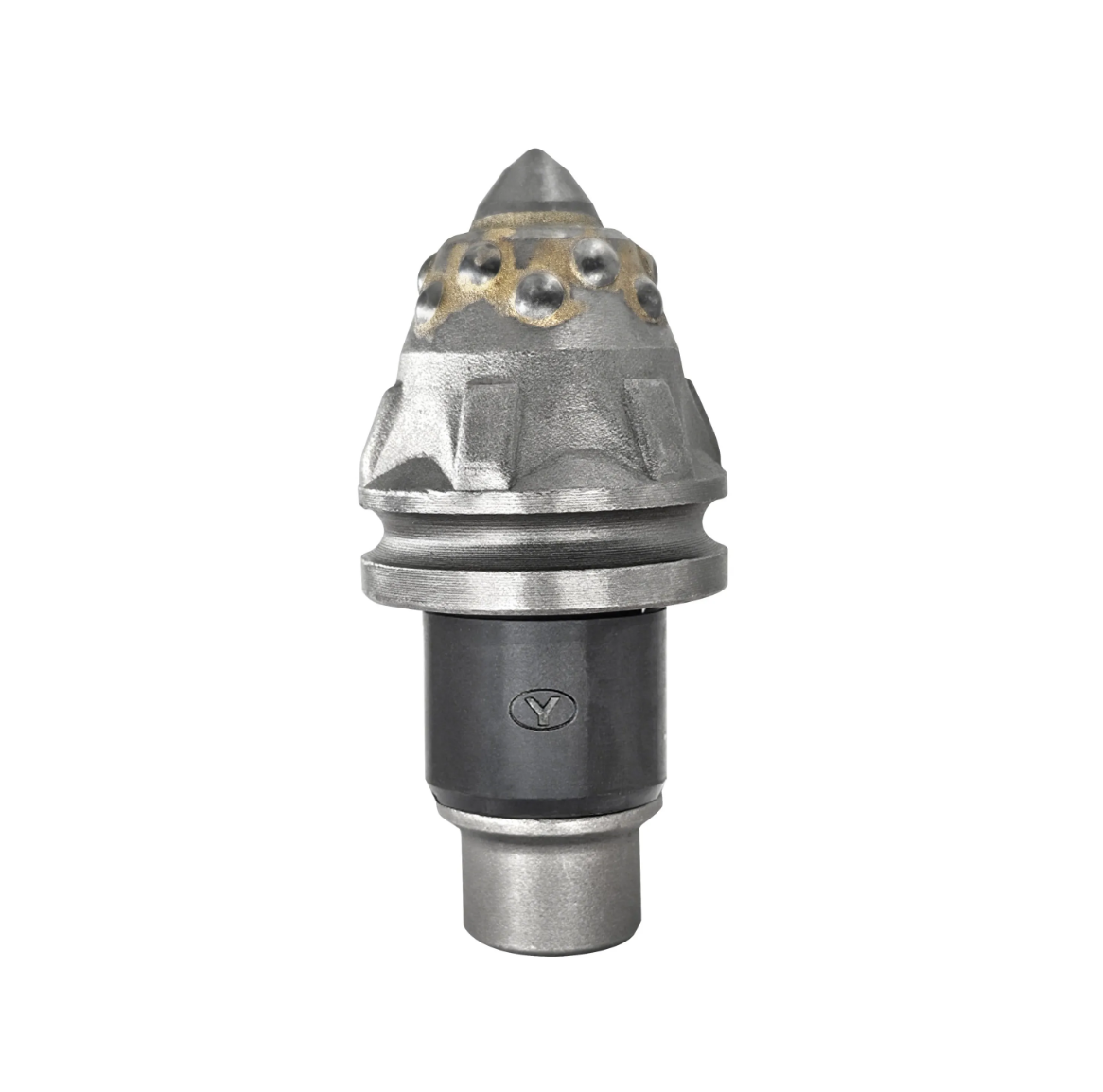
The Critical Role of Bullet Teeth in Excavation Performance
Understanding the function of bullet teeth in excavation machinery
Bullet teeth are basically the workhorses of excavation machines when it comes to cutting through stuff. They take all that mechanical power from the machine and turn it into actual digging action. Made from toughened steel or those carbide tips, these little guys punch through dirt, rocks, and whatever else gets in their way by focusing all that pressure right at their pointed ends. According to some real world testing, good quality bullet teeth can actually boost drilling speeds around 20% better than regular ones, plus they help keep the whole machine from shaking so much during operation. The cone shape really helps too since it cuts down on resistance, making the whole process more efficient especially when dealing with hard packed ground conditions that normally slow things down.
Common inefficiencies caused by low-quality bullet teeth
When bullet teeth aren't made properly, they become major headaches for operations because they wear out fast and just don't cut consistently. According to some industry research from last year, about a third of all issues come down to bad metal quality, which makes those tips break off way too soon. And when this happens, companies end up spending around seven hundred forty thousand dollars every year just sitting around waiting for replacement parts. Then there's the whole problem with heat treatment done wrong. This creates all sorts of problems like patches of wear across the teeth, eats up more fuel since the cutting isn't efficient anymore, and actually damages other parts of the system too including adapters and various components on the drilling rigs themselves.
How proper tooth design enhances digging efficiency and reduces downtime
Bullet teeth that have been properly optimized make use of computer-aided design models along with some pretty sophisticated materials science to hit that sweet spot between hardness (over 1400 HV) and being able to withstand stress without breaking down. The ones tipped with tungsten carbide last about three times longer when working through really rough stuff compared to regular steel teeth. The way these tools are designed with their flutes spreads out the wear so it doesn't all concentrate in one place. This means they keep cutting at good speed while needing fewer replacements overall. Field tests in actual mining operations show this design cuts replacement needs by around 58%. And from a bottom line standpoint, all this engineering adds up to about 22 cents saved on every dollar spent maintaining equipment during each digging operation cycle.
Material Composition and Engineering of High-Performance Bullet Teeth
Tungsten Carbide Tips: Maximizing Cutting Efficiency and Wear Resistance
Bullet teeth made for premium performance come equipped with tungsten carbide tips designed specifically to handle the rough wear conditions found in tough excavation work. According to recent research from ScienceDirect back in 2024, these carbide tips can stay sharp on their cutting edges anywhere from three to five times longer compared to regular alloy options. What makes them so durable? Well, the crystal structure of the material actually stands up better against those tiny cracks that form when drilling through rock. Field tests show operators need to replace these tips about 40 percent less often when working across different types of terrain where conditions constantly change.
Alloy Steel Body: Balancing Toughness and Structural Durability
The tooth body employs chromium-molybdenum steel alloys to absorb impact forces while resisting bending stress:
| Property | Standard Alloy | High-Performance Alloy | Improvement |
|---|---|---|---|
| Yield Strength (MPa) | 1,342 | 1,688 | 26% ‘ |
| Impact Toughness (J) | 25 | 38 | 52% ‘ |
| Fatigue Cycles (×10←) | 2.1 | 3.8 | 81% ‘ |
This metallurgical design prevents catastrophic failures during prying motions in dense clay and fragmented rock.
Solid Carbide vs. Tipped Designs: Performance Trade-offs in Real-World Use
While solid carbide teeth demonstrate 15% greater wear resistance in granite, their brittle nature increases breakage risks in frost-hardened soils. Tipped designs combine a carbide cutting edge with forged steel bodies, achieving 92% of solid carbide's durability while reducing replacement costs by 60%.
Design Optimization: Achieving the Ideal Hardness-Toughness Balance
Advanced thermal processing creates graduated material properties◘ultra-hard (62 HRC) cutting surfaces transition smoothly into shock-absorbing cores (45 HRC). This gradient structure reduces stress concentrations by 73% compared to homogeneous materials (ScienceDirect 2024), enabling optimal power transfer from excavator hydraulics to cutting faces.
Enhancing Machine Efficiency Through Optimized Bullet Teeth Design
Impact of Geometry on Cutting Performance and Material Penetration
How bullet teeth are shaped plays a big role in how well they can break apart different materials. Some newer designs feature cutting edges that aren't symmetrical and have better angled tips, which lets them dig into rocks about 18 to 22 percent quicker than regular teeth. This finding comes from testing done last year on actual mining gear out in the field. Another thing about when these teeth take on conical forms with spiral grooves along them, they experience around 30% less resistance when moving through sticky soils. And for places where there's lots of clay, having wider bases that flare out helps stop dirt from piling up around the teeth, keeping everything running smoother over time.
Reducing Machine Wear and Fuel Consumption with Precision-Engineered Bullet Teeth
Advanced bullet teeth designs lower operational costs through dual mechanisms:
- Wear redistribution: Helical grooves guide abrasive particles away from critical surfaces, extending component life by 40% (P&H Mining 2023 reliability report)
- Energy efficiency: Tapered geometries decrease required digging forces by 1520%, directly translating to reduced fuel consumption in hydraulic excavators
Performance in Diverse Ground Conditions
| Terrain Type | Optimal Tooth Feature | Efficiency Gain |
|---|---|---|
| Hard Rock | Tungsten carbide conical tips | 35% faster breakout |
| Wet Clay | Flared base geometry | 28% less drag |
| Mixed Debris | Reinforced collar design | 42% fewer replacements |
Case Study: Efficiency Gains in Hard Rock Excavation Environments
A granite quarry operator implemented geometrically optimized bullet teeth across their fleet of 24-ton excavators, achieving measurable improvements:
- Drill time per blast hole reduced from 8.2 to 6.1 minutes (-25.6%)
- Monthly tooth replacements decreased from 18 to 11 units (-38.9%)
- Fuel consumption per cubic yard excavated dropped 19%
These results align with broader industry findings from the 2024 Earthmoving Technology Report, which documents 1231% efficiency gains across 47 mining operations using advanced bullet teeth configurations.
Durability and Long-Term Cost Savings of Premium Bullet Teeth
Extended Service Life in Mining and Heavy Earthwork Applications
Bullet teeth made from high quality materials really stand out when put through their paces in tough conditions. Those premium ones with tungsten carbide at the tip? They can stick around three times longer than regular steel alternatives during all that grinding work in mines. And let's face it, this kind of durability means machines don't have to stop as often for replacements. That matters big time in mines running nonstop day after day. Just think about how much money gets lost every single hour operations halt - somewhere around 740 thousand dollars according to Ponemon research back in 2023. So investing in better teeth isn't just about lasting longer, it's actually saving companies serious cash over time.
Wear Resistance Under Extreme Operational Stress
Advanced alloy formulations enable premium bullet teeth to withstand pressures exceeding 45,000 PSI without deformation. Field tests show heat-treated designs maintain 92% structural integrity after 1,000 hours of continuous rock excavation, compared to 67% for entry-level variants.
Lower Replacement Frequency and Maintenance Costs Over Time
The enhanced wear resistance of premium bullet teeth reduces replacement cycles by 4060% in mixed-terrain applications. This durability slashes annual maintenance budgets by an average of $18,000 per excavator while minimizing crew exposure to hazardous replacement tasks.
Total Cost of Ownership: Upfront Investment vs. Long-Term ROI
While premium bullet teeth command a 2535% higher initial cost, their 1824 month service life delivers 214% greater ROI over three years compared to standard options. The table below illustrates cost breakdowns for a mid-sized excavation fleet:
| Cost Factor | Standard Teeth | Premium Teeth |
|---|---|---|
| Annual Replacements | 9 | 4 |
| Fuel Consumption | $28,000 | $23,000 |
| Labor Costs | $15,000 | $8,000 |
| 3-Year Total | $129,000 | $66,000 |
This operational efficiency aligns with industry trends showing 22% higher adoption of standardized premium teeth in heavy construction since 2021.
Selecting and Sourcing High-Quality Bullet Teeth for Maximum Efficiency
Evaluating Bullet Teeth Quality: Material Testing and Field Validation
Bullet teeth today need thorough quality checks before they hit the market. Top manufacturers run Rockwell C hardness tests between 58 and 64 HRC, plus perform wear rate analysis according to ASTM G65 guidelines. According to recent material testing results from last year, those specially designed tungsten carbide tips actually cut down on excavation energy needs by around 18% when compared with regular models. Real world testing at limestone quarries has shown something interesting too premium grade teeth stay within about 2% dimensional tolerance even after clocking in over 1,200 hours of operation time. That kind of consistency makes all the difference in tough mining conditions.
Choosing Reliable Suppliers: Industry Standards and Manufacturing Excellence
Top manufacturers these days are putting ISO 9001 quality systems into place across their operations, tracking materials all the way from when they melt the alloys right through to how they treat them with heat at the end. Industry reports show something interesting happening too - companies that have invested in robotic welding equipment can crank out products about 93 percent quicker without sacrificing precision. The robots keep those tips placed within just 0.05 millimeters of where they need to be. When it comes time to buy components, procurement folks look specifically for suppliers who provide independent metallurgy testing results, do complete dimensional checks on everything produced, and offer special hardness profiles tailored to match different types of soil and rock conditions encountered in real world applications.
Global Trends: Rising Demand for Standardized, High-Performance Bullet Teeth
Market projections indicate 27% growth in standardized bullet tooth procurement through 2026, driven by global infrastructure projects requiring cross-compatible components. Contractors report 40% fewer inventory SKUs when using ISO 13947-compliant teeth across multiple machine brands, with interoperability reducing equipment downtime by 22% in mixed-fleet operations.
FAQ Section
What are bullet teeth used for?
Bullet teeth are used in excavation machinery to convert mechanical power into digging action, enabling machines to cut through materials like dirt and rock efficiently.
Why are tungsten carbide tips preferred for bullet teeth?
Tungsten carbide tips are preferred because they provide enhanced wear resistance and cutting efficiency, lasting three to five times longer than regular alloy options.
What impact do bullet teeth have on machine efficiency?
Properly optimized bullet teeth with advanced designs can reduce resistance, decrease necessary digging forces, lower fuel consumption, and extend component life, thereby enhancing overall machine efficiency.
What factors should be considered when selecting bullet teeth?
When selecting bullet teeth, consider the material composition, quality checks, supplier reliability, and the design features suitable for specific ground conditions to ensure optimal performance.
Table of Contents
- The Critical Role of Bullet Teeth in Excavation Performance
- Material Composition and Engineering of High-Performance Bullet Teeth
- Enhancing Machine Efficiency Through Optimized Bullet Teeth Design
- Durability and Long-Term Cost Savings of Premium Bullet Teeth
- Selecting and Sourcing High-Quality Bullet Teeth for Maximum Efficiency
- FAQ Section