EN
EN

Geomechanical Foundations of Borehole Stability
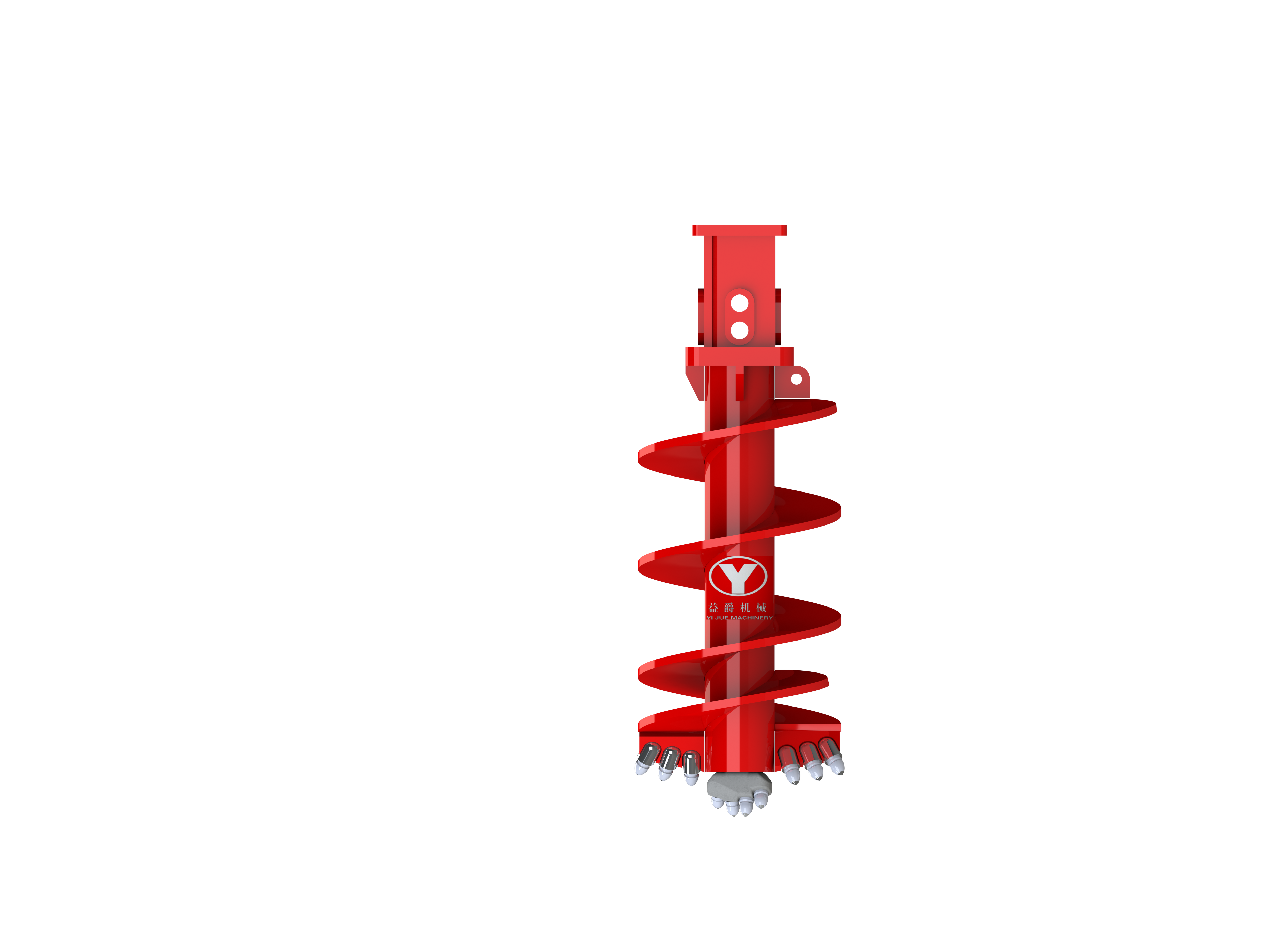
In-situ stress regimes and pore pressure gradients: Their direct impact on breakout and collapse risk
Getting a good handle on the three main stress directions in rock formations vertical, max horizontal, and min horizontal is really important when analyzing how stable a borehole will be. When the stress from drilling gets too high compared to what the rock can handle, we start seeing these breakout failures along the weakest part of the hole wall. What about pore pressure? That plays a big role too. Higher pore pressure means less mechanical support for the rock, which makes it more likely to collapse especially in areas where the formation is already under extra pressure. We've seen field data showing around 70 percent of instability problems happen when unexpected pressure differences go above 500 psi during actual drilling operations. Designing the right mud weight requires finding that sweet spot between keeping things contained hydraulically and not going past the fracture gradient limit. Get this wrong and whole wells get abandoned, costing companies about $740,000 according to Ponemon Institute research from last year. Because of all this, running proper geomechanical models isn't just nice to have it's absolutely essential before starting any serious deep drilling project.
Rock strength and deformability parameters (UCS, elastic modulus, Poisson's ratio) in deep foundation drilling contexts
The strength of rock formations and how they deform plays a major role in how boreholes respond when we drill into them. Take unconfined compressive strength (UCS) for instance. This property basically tells us if the hole will stay intact or collapse. Shale formations with UCS below 5,000 psi tend to fall apart pretty quickly unless we adjust our drilling fluids specifically for those conditions. When it comes to elastic modulus, this measures how much the formation walls actually bend or deform. Formations above 10 GPa in modulus don't give way easily through plastic deformation, but they do crack suddenly when exposed to temperature changes or repeated mechanical stress from drilling operations. And then there's Poisson's ratio which affects how stress spreads sideways across the formation. Values over 0.3 in salt deposits or weak shale layers lead to slow, creeping deformation over time, eventually causing the borehole diameter to shrink progressively as drilling continues deeper into these challenging formations.
Hydrogeological Influences on Borehole Integrity
Soil–rock transition zones, weathered bedrock, and weak interlayers: Stability challenges in heterogeneous strata
The area where soil meets rock can be really problematic for stability because there are sudden changes in how stiff, strong, and porous these materials are. Studies show that breakout problems happen 40 to 60 percent more often in these transition zones compared to areas with consistent rock types. When bedrock gets weathered over time, it tends to become a weak spot where failures start happening since the material holds together less well and has more cracks running through it. Clay rich layers or old siltstone that's breaking down create different kinds of movement across the site and lead to localized shearing issues. Getting good information about these conditions needs several approaches working together. Borehole images help figure out where fractures run and how wide they are, whereas taking specific core samples allows engineers to measure differences in strength and find structural weaknesses. Monitoring things like drilling torque and how fast the drill goes into the ground gives warning signs that something might go wrong, so adjustments can be made before serious damage happens.
Groundwater ingress and hydraulic fracturing thresholds: Managing over-pressured conditions during drilling project execution
About three quarters of all borehole failures happen because of pore pressure problems in saturated rock formations that don't let water through easily according to research published last year in Geotechnical Engineering Journal. The issue starts when the pressure inside the rock becomes greater than what the drilling fluid can handle, leading to water rushing into the hole and weakening the sides. On the flip side, if we push too hard with our drilling mud, it might actually create cracks in the rock itself. These cracks ruin our ability to isolate different sections underground and make collapses worse. Different types of rock have their own breaking points. Sandstone tends to crack around 0.8 pounds per square inch per foot, while solid shale can usually take about 1.2 psi/ft before giving way. For better control during drilling operations today, engineers use special systems called managed pressure drilling or MPD. These setups include automatic valves that keep things balanced within roughly plus or minus 0.2 psi/ft. Another trick is using specially formulated polymer fluids designed so they leak less than 15 milliliters every half hour. This helps seal off areas where water might otherwise seep in without causing unwanted fractures.
Engineering Mitigation Strategies for Deep Foundation Drilling Projects
Casing design principles: Depth sequencing, material selection, and real-time monitoring integration
Designing casings that match up with what's happening underground is absolutely critical for successful operations. When it comes to depth sequencing, we generally follow the rock layers as they appear. Shallow casings help hold together loose soils and protect aquifers, whereas those intermediate and production casings serve to separate out areas that show signs of weakness or fracturing based on our geomechanical surveys. Choosing materials matters a lot too. For places where groundwater has hydrogen sulfide or chloride content, going with epoxy coatings or special alloys makes all the difference in preventing corrosion over time. Monitoring pressure changes around the casing in real time gives us ongoing insight into how stable everything remains. If readings go beyond that 2% strain limit, systems automatically send out warnings so engineers can jump in before things start to deform permanently or worse, collapse entirely.
Drilling fluid systems (bentonite, polymers, low-solids muds): Balancing rheology, filtration control, and formation compatibility
Drilling fluid performance hinges on three interdependent properties:
- Rheology: Bentonite-based slurries (6–10% by weight) deliver optimal viscosity for cuttings suspension while maintaining yield point ≥25 mPa·s—preventing excessive ECD buildup in narrow annuli.
- Filtration control: Polymer additives (e.g., PAC-LV, xanthan gum) reduce fluid loss by 40–60% in permeable sands and fractured rock, preserving filter cake integrity without over-pressuring sensitive zones.
- Formation compatibility: Low-solids, inhibitive muds minimize clay hydration in reactive shales, reducing breakout incidence by ~30% compared to conventional high-solids systems—critical for maintaining gauge hole and avoiding costly reaming or sidetracking.
FAQ
What is the impact of pore pressure on borehole stability?
Pore pressure significantly impacts borehole stability as higher pore pressure results in less mechanical support for the rock. This increases the likelihood of borehole collapse, particularly in formations already under additional stress.
Why is rock deformability important in drilling?
Rock deformability, measured by parameters such as elastic modulus and Poisson's ratio, is crucial because it determines how rock formations will react under stress. Understanding these parameters helps in predicting whether a borehole will maintain its integrity or collapse.
How does real-time monitoring contribute to borehole stability?
Real-time monitoring provides continuous data on pressure changes and stability within the borehole. It allows engineers to make timely interventions to prevent permanent deformation or collapse.
What role do drilling fluids play in maintaining borehole stability?
Drilling fluids are essential for balancing rheology, controlling filtration, and ensuring compatibility with the formation. Proper use of drilling fluids prevents excessive pressure build-up and minimizes clay hydration, reducing the risk of instability.