EN
EN

เหตุใดข้อมูลการสำรวจทางธรณีวิทยาจึงต้องเป็นตัวกำหนด เครื่องมือเจาะแบบหมุน การเลือก
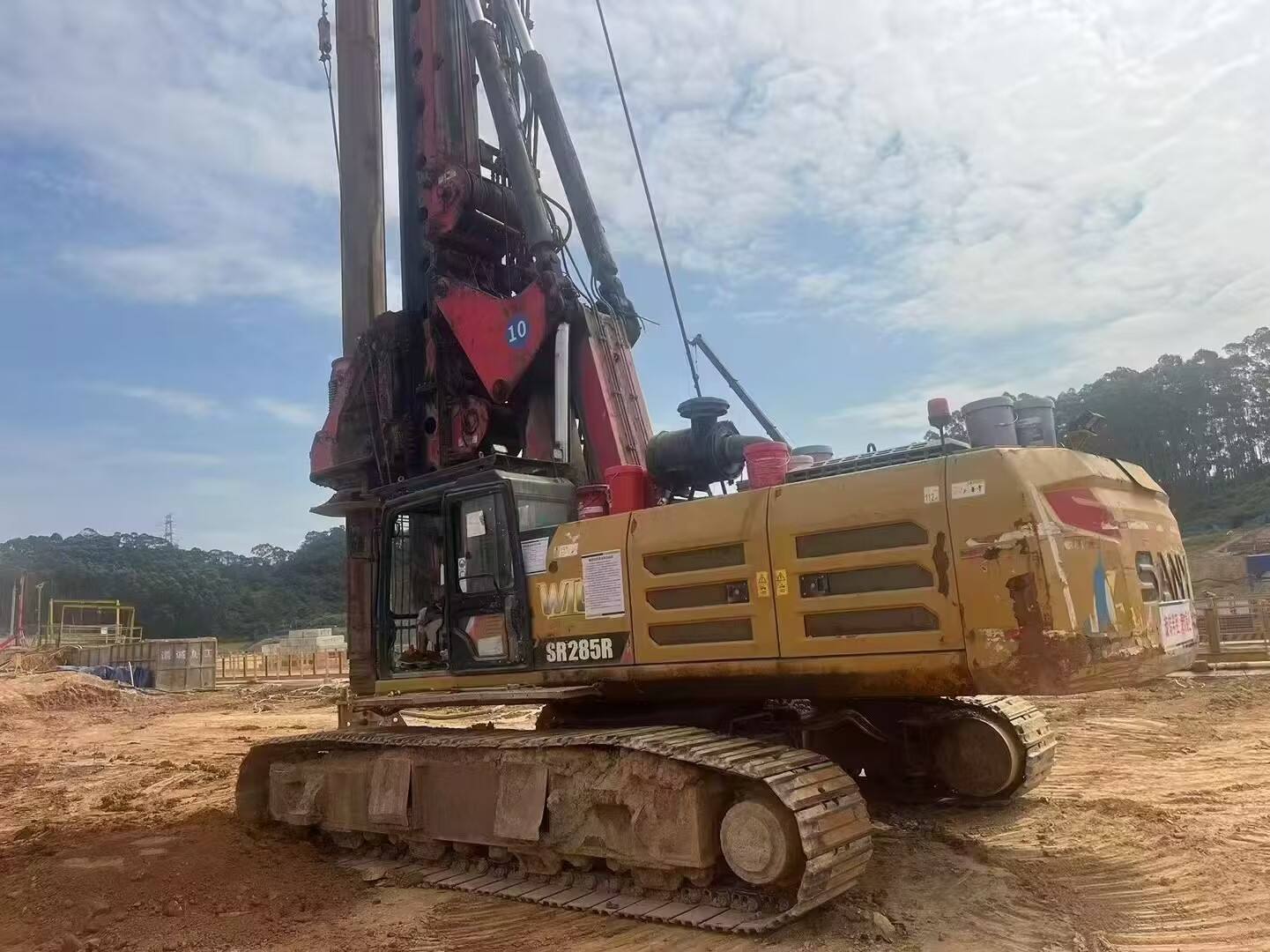
วิธีที่ค่าประมาณ UCS และความเปราะบางจากข้อมูลคลื่นเสียงและข้อมูลบันทึก (Log Data) ชี้นำการเลือกประเภทหัวเจาะและการออกแบบใบตัด
ในภาคสนาม นักธรณีวิทยาจะวัดคุณลักษณะของหิน เช่น ความแข็งแรงรับแรงอัดแบบไม่จำกัด (UCS) และความเปราะของชั้นหินโดยใช้การทดสอบด้วยคลื่นเสียงและวิธีการบันทึกทางธรณีฟิสิกส์ต่างๆ ตัวเลขเหล่านี้มีความสำคัญอย่างยิ่งในการพิจารณาว่าควรใช้เครื่องมือเจาะแบบหมุนชนิดใดในพื้นที่ปฏิบัติงาน เมื่อต้องจัดการกับหินที่มีค่า UCS สูงกว่า 20,000 psi ผู้เจาะมักจะเลือกใช้ดอกสว่านเพชรแบบฝังที่มีพื้นผิวตัดเสริมแรง สำหรับชั้นหินที่มีความเปราะปานกลางประมาณ 40 ถึง 60 บนมาตราส่วนดัชนี ผู้ประกอบการส่วนใหญ่จะนิยมใช้ดอกสว่าน PDC ที่มีการจัดเรียงใบมีดแบบไม่สมมาตรเป็นพิเศษ ปริมาณควอตซ์ก็มีความสำคัญเช่นกัน ทีมงานเจาะรู้จากประสบการณ์ว่าการทำงานในพื้นที่ที่มีควอตซ์สูงจะทำให้ใบมีดสึกหรอเร็วกว่าการเจาะผ่านชั้นหินดินเหนียวประมาณ 30% ซึ่งหมายความว่าพวกเขามักจะเปลี่ยนไปใช้เม็ดมีดทังสเตนคาร์ไบด์สำหรับส่วนเหล่านั้น การเลือกรูปทรงของใบมีดให้เหมาะสมกับความเปราะของหินจึงไม่ใช่แค่สำคัญ แต่เป็นสิ่งจำเป็นอย่างยิ่ง หัวตัดรูปทรงสิ่วทำงานได้ดีที่สุดในชั้นหินดินดานที่เปราะ ในขณะที่หัวตัดรูปทรงกรวยมักจะทำงานได้ดีกว่าในหินปูนที่อ่อนนุ่มและยืดหยุ่นกว่า การไม่คำนึงถึงความสัมพันธ์เหล่านี้อาจนำไปสู่ปัญหาต่างๆ ในหลุมเจาะ รวมถึงดอกสว่านติด การสั่นสะเทือนมากเกินไป หรืออุปกรณ์ชำรุด ซึ่งทำให้เสียเวลาและเงิน
การเชื่อมโยงการวิเคราะห์ลักษณะชั้นหินแบบเรียลไทม์ด้วยระบบ MWD กับตรรกะการตัดสินใจขณะขุดเจาะ
ระบบวัดค่าระหว่างการขุดเจาะ (Measurement While Drilling: MWD) ในปัจจุบันสามารถตรวจจับการเปลี่ยนแปลงของชนิดหินได้แบบเรียลไทม์ ด้วยเซ็นเซอร์รังสีแกมมาและเซ็นเซอร์ความต้านทานไฟฟ้า ซึ่งส่งข้อมูลกลับไปยังระบบควบคุมที่ผิวดิน ทั้งนี้ เมื่อระบบเหล่านี้ทำงานร่วมกับอุปกรณ์ขุดเจาะแบบหมุนอัจฉริยะ ก็จะเกิดประสิทธิภาพที่น่าสนใจยิ่งขึ้น หัวเจาะนั้นมีเครื่องวัดความเร่ง (accelerometers) ติดตั้งอยู่ภายในตัว ทำหน้าที่ปรับแรงกดที่ใช้เมื่อเจาะเข้าไปในชั้นหินที่แข็งแกร่ง ในขณะเดียวกัน ความเร็วในการหมุน (revolutions per minute) จะเปลี่ยนแปลงโดยอัตโนมัติเมื่อเคลื่อนผ่านบริเวณทรายเสีย (sandstone) ที่หลวม เพื่อป้องกันไม่ให้หลุมขุดพังทลาย ผู้ปฏิบัติงานภาคสนามที่นำระบบควบคุมแบบวงจรปิด (closed loop systems) เหล่านี้มาใช้งาน มักประสบอัตราการขุดเจาะที่เร็วขึ้นประมาณ 15 ถึง 22 เปอร์เซ็นต์ สำหรับบริษัทที่ไม่ดำเนินการผสานรวมเทคโนโลยีเหล่านี้ มักประสบปัญหาจากความดันใต้ดินที่คาดการณ์ไม่ได้ หรือชั้นหินที่มีโครงสร้างหยาบกร้าน ซึ่งปัญหาดังกล่าวส่งผลให้อุปกรณ์เบี่ยงเบนออกจากแนวที่กำหนดไว้ และท่อเกิดติดค้างอยู่ภายในหลุมขุด ตามเกณฑ์มาตรฐานอุตสาหกรรมปี 2023 ปัญหาประเภทนี้คิดเป็นประมาณหนึ่งในสามของเวลาที่สูญเสียทั้งหมดในการดำเนินการขุดเจาะ
การแปลงคุณสมบัติเชิงกลของหินสู่ประสิทธิภาพของอุปกรณ์เจาะแบบหมุน
การเชื่อมโยงค่า UCS, ดัชนีความเปราะ (Brittleness Index), และการลดลงของอัตราการเจาะ (ROP) กับการสึกหรอและการล้มเหลวของหัวเจาะ
คุณสมบัติเชิงกลของหินเป็นปัจจัยหลักที่กำหนดอายุการใช้งานและประสิทธิภาพของอุปกรณ์เจาะแบบหมุน ค่า UCS ที่สูงกว่า 30,000 psi จะเร่งอัตราการสึกหรอขึ้นร้อยละ 40–60 ในขณะที่ดัชนีความเปราะต่ำ (<20) มีความสัมพันธ์อย่างชัดเจนกับการแตกร้าวอย่างรุนแรงของใบมีดตัด (cutter) การโต้ตอบระหว่างคุณสมบัติเหล่านี้กำหนดรูปแบบของการล้มเหลว:
- UCS สูง + ความเปราะต่ำ : การลดลงของอัตราการเจาะ (ROP) แบบทวีคูณหลังจากใช้งานประมาณ 50 ชั่วโมง จะกระตุ้นให้เกิดรอยแตกจากความร้อน (thermal cracking) บนใบมีด PDC
- UCS ปานกลาง + ความเปราะสูง : อัตราการเจาะ (ROP) คงที่พร้อมการสึกหรอแบบค่อยเป็นค่อยไป — เหมาะสมยิ่งสำหรับการออกแบบหัวเจาะแบบผสม (hybrid bit)
หลักฐานจากการปฏิบัติจริงยืนยันว่า การลดลงของอัตราการเจาะ (ROP) ร้อยละ 30 ในชั้นหินที่มีค่า UCS สูง เป็นสัญญาณบ่งชี้ว่าจะเกิดความเสียหายต่อหัวเจาะแบบลูกกลิ้ง (cone damage) ในหัวเจาะแบบลูกกลิ้ง (roller-cone bits) ในไม่ช้า จึงจำเป็นต้องเปลี่ยนหัวเจาะล่วงหน้า (proactive replacement) แทนที่จะรอจนเกิดความเสียหายแล้วจึงดำเนินการ (reactive intervention)
การตรวจสอบความสัมพันธ์ระหว่างน้ำหนักบนหัวเจาะ (WOB), ความเร็วรอบต่อนาที (RPM), และอัตราการเจาะ (ROP) ผ่านการทดสอบการเจาะภายใต้น้ำหนัก (Drill-Off Tests)
การหมุนเกินขีดจำกัดความเร็วในการหมุน (RPM) ที่กำหนดไว้สำหรับชั้นหินแต่ละประเภท จะก่อให้เกิดการสั่นสะเทือนในแนวข้าง ซึ่งเร่งกระบวนการเสื่อมสภาพของแบริ่ง ตัวอย่างเช่น การรักษาน้ำหนักที่กดลงบนดอกสว่าน (WOB) ที่ 18 ตัน ขณะหมุนด้วยความเร็ว 100 RPM ในชั้นหินทราย (sandstone) จะทำให้อัตราการเจาะลึก (ROP) สูงสุด พร้อมทั้งควบคุมการสึกหรอให้อยู่ภายในเกณฑ์ที่ยอมรับได้ — ซึ่งได้รับการยืนยันแล้วจากข้อมูลการขุดเจาะในหลุมจำนวน 47 หลุม ทั้งในเขตเพอร์เมียน (Permian) และทะเลเหนือ (North Sea)
การปรับแต่งเครื่องมือขุดเจาะแบบหมุนให้มีประสิทธิภาพสูงสุด: แนวทางปฏิบัติเฉพาะตามประเภทชั้นหิน
คำแนะนำเกี่ยวกับประเภทดอกสว่าน น้ำหนักที่กดลงบนดอกสว่าน (Weight on Bit) และความเร็วในการหมุน (Rotational Speed) สำหรับชั้นหินชนิดเชล (shale), ชั้นหินทราย (sandstone) และชั้นหินคาร์บอเนต (carbonate)
ลักษณะทางธรณีวิทยาของชั้นหินเป็นตัวกำหนดรูปแบบการจัดวางเครื่องมือขุดเจาะแบบหมุนที่แตกต่างกันออกไป — ไม่ใช่เพียงเพื่อประสิทธิภาพในการขุดเจาะเท่านั้น แต่ยังเพื่อความสมบูรณ์แข็งแรงเชิงกลด้วย แนวทางปฏิบัติที่พิสูจน์แล้วในสนาม ได้แก่:
- หินดินดาน : ใช้ดอกสว่าน PDC ที่มีจำนวนใบมีดสูง เพื่อต้านทานการสึกหรอ; ใช้น้ำหนักที่กดลงบนดอกสว่าน (WOB) ระหว่าง 8–12 ตัน และความเร็วในการหมุน (RPM) ระหว่าง 60–80 RPM เพื่อลดปัญหาการเกาะติดของดินเหนียว (bit balling) ในช่วงชั้นหินที่มีเนื้อดินเหนียวสูง
- Sandstone : ใช้ดอกสว่านแบบฝังเพชร (impregnated diamond bits) เพื่อทนต่อควอตซ์; ปรับค่าให้เหมาะสมที่น้ำหนักที่กดลงบนดอกสว่าน (WOB) ระหว่าง 14–18 ตัน และความเร็วในการหมุน (RPM) ระหว่าง 30–50 RPM เพื่อรักษาการสัมผัสของใบมีดกับหินอย่างต่อเนื่อง โดยไม่ก่อให้เกิดการสั่นสะเทือนมากเกินไป
- คาร์บอเนต เลือกใช้หัวเจาะแบบโรลเลอร์-โคนไฮบริดที่อาศัยความเปราะตามธรรมชาติของชั้นหิน; ดำเนินการที่แรงกดลงบนหัวเจาะ (WOB) 10–14 ตัน และความเร็วรอบ 70–90 รอบต่อนาที เพื่อให้เกิดสมดุลระหว่างอัตราการแทรกซึม (penetration) กับความมั่นคง
การปฏิบัติตามพารามิเตอร์เฉพาะชั้นหินเหล่านี้ช่วยลดการหยุดงานฉุกเฉิน (unplanned tripping) ลงได้ 22% และเพิ่มอัตราการเจาะลึกต่อหน่วยเวลา (ROP) ขึ้น 18% ซึ่งยืนยันแล้วผ่านการทดสอบการเจาะภายใต้สภาวะคงที่ (standardized drill-off testing) ทั่วทั้งแอ่งหินที่มีความหลากหลาย—รวมถึงแหล่งน้ำมันอีเกิล ฟอร์ด (Eagle Ford), แฆวาร์ (Ghawar) และคามปอส (Campos)
อนาคตของเครื่องมือเจาะแบบหมุน: ระบบสนับสนุนการตัดสินใจที่เสริมด้วยปัญญาประดิษฐ์ (AI-Augmented Decision Support)
การเลือกเครื่องมือเจาะแบบหมุนกำลังได้รับการปรับปรุงครั้งใหญ่ด้วยระบบปัญญาประดิษฐ์ (AI) ที่นำข้อมูลทางธรณีวิทยาแบบเรียลไทม์ เช่น ค่าความแข็งแรงอัดของหิน (UCS) และค่าความเปราะของหิน ซึ่งวัดได้จากเซ็นเซอร์ MWD มาแปลงเป็นการตัดสินใจเชิงปฏิบัติที่สอดคล้องกับสภาพใต้ผิวดินจริง โมเดลการเรียนรู้ของเครื่อง (machine learning) ที่อยู่เบื้องหลังระบบนี้สามารถแนะนำชนิดของหัวเจาะที่เหมาะสม น้ำหนักที่ใช้กดหัวเจาะ (weight on bit) และจำนวนรอบต่อนาที (revolutions per minute) ได้อย่างรวดเร็ว ตามสิ่งที่ตรวจจับพบใต้พื้นผิวดิน ซึ่งช่วยหลีกเลี่ยงข้อผิดพลาดที่ส่งผลเสียต่อค่าใช้จ่ายเมื่ออุปกรณ์ไม่สอดคล้องกับงานที่ทำ ในการศึกษาโดย Ponemon Institute เมื่อปี 2023 พบว่า บริษัทต่างๆ มักสูญเสียเงินประมาณ 740,000 ดอลลาร์สหรัฐต่อครั้งเมื่ออุปกรณ์เกิดความล้มเหลวอย่างไม่คาดคิด แต่แพลตฟอร์มที่เสริมด้วยปัญญาประดิษฐ์ช่วยลดความเสี่ยงเหล่านี้ลงอย่างมีนัยสำคัญ โดยทำนายอัตราการสึกหรอของชิ้นส่วนต่างๆ ได้ล่วงหน้า และเสนอแนะการบำรุงรักษาไว้ก่อนที่ปัญหาจะเกิดขึ้น โดยเฉพาะในบริเวณที่คุณสมบัติของหินเปลี่ยนแปลงอย่างฉับพลัน สิ่งที่ทำให้ระบบนี้มีคุณค่าอย่างแท้จริงคือความสามารถในการปรับพารามิเตอร์การเจาะระหว่างดำเนินการจริง โดยปรับเปลี่ยนโดยอัตโนมัติเมื่อพบหินชนิดใหม่ที่ไม่คาดคิด แทนที่จะรอให้บุคลากรเข้ามาแก้ไขด้วยตนเอง และเมื่อเวลาผ่านไป ระบบที่ชาญฉลาดเหล่านี้จะยิ่งพัฒนาคำแนะนำให้แม่นยำยิ่งขึ้นเรื่อยๆ ตามข้อมูลที่สะสมจากการเจาะจริงในสนาม ผลการทดสอบภาคสนามแสดงให้เห็นว่า การผสานรวมปัญญาประดิษฐ์เข้ากับการดำเนินงานการเจาะสามารถลดเวลาที่สูญเปล่าลงได้ประมาณร้อยละ 20 ในขณะที่ยังเพิ่มประสิทธิภาพโดยรวมของกระบวนการทั้งหมด ไม่ว่าทีมงานจะทำงานอยู่ในสภาพธรณีวิทยาแบบใดก็ตาม
คำถามที่พบบ่อย
เหตุใดข้อมูลทางธรณีวิทยาจึงมีความสำคัญต่อการเจาะแบบหมุน?
ข้อมูลทางธรณีวิทยา เช่น ความแข็งแรงในการรับแรงอัดแบบไม่ถูกจำกัด (UCS) และความเปราะบาง ช่วยแนะนำการเลือกอุปกรณ์การเจาะที่เหมาะสม เพื่อให้มั่นใจในประสิทธิภาพและลดความเสี่ยงต่อความล้มเหลวของอุปกรณ์
ระบบ MWD คืออะไร?
ระบบ MWD (Measurement While Drilling) ใช้เซ็นเซอร์เพื่อส่งข้อมูลแบบเรียลไทม์เกี่ยวกับชั้นหิน ซึ่งช่วยให้สามารถตัดสินใจอย่างคล่องตัวระหว่างการดำเนินงานการเจาะ
ปัญญาประดิษฐ์ (AI) ช่วยปรับปรุงการเลือกอุปกรณ์การเจาะอย่างไร?
ระบบปัญญาประดิษฐ์ประมวลผลข้อมูลทางธรณีวิทยาแบบเรียลไทม์เพื่อแนะนำพารามิเตอร์การเจาะและอุปกรณ์ที่เหมาะสมที่สุด ป้องกันการเลือกผิดประเภทและการล้มเหลวของอุปกรณ์
การทดสอบการเจาะแบบ Drill-off มีบทบาทอย่างไรต่อการเพิ่มประสิทธิภาพการเจาะ?
การทดสอบการเจาะแบบ Drill-off กำหนดขอบเขตการปฏิบัติงานโดยประเมินน้ำหนักที่กระทำต่อหัวเจาะ (WOB) และจำนวนรอบต่อนาที (RPM) เพื่อเพิ่มอัตราการเจาะ (ROP) ให้สูงสุดโดยไม่เกินขีดจำกัดของการสึกหรอ
สารบัญ
- เหตุใดข้อมูลการสำรวจทางธรณีวิทยาจึงต้องเป็นตัวกำหนด เครื่องมือเจาะแบบหมุน การเลือก
- การแปลงคุณสมบัติเชิงกลของหินสู่ประสิทธิภาพของอุปกรณ์เจาะแบบหมุน
- การปรับแต่งเครื่องมือขุดเจาะแบบหมุนให้มีประสิทธิภาพสูงสุด: แนวทางปฏิบัติเฉพาะตามประเภทชั้นหิน
- อนาคตของเครื่องมือเจาะแบบหมุน: ระบบสนับสนุนการตัดสินใจที่เสริมด้วยปัญญาประดิษฐ์ (AI-Augmented Decision Support)
- คำถามที่พบบ่อย